A Day in Taal

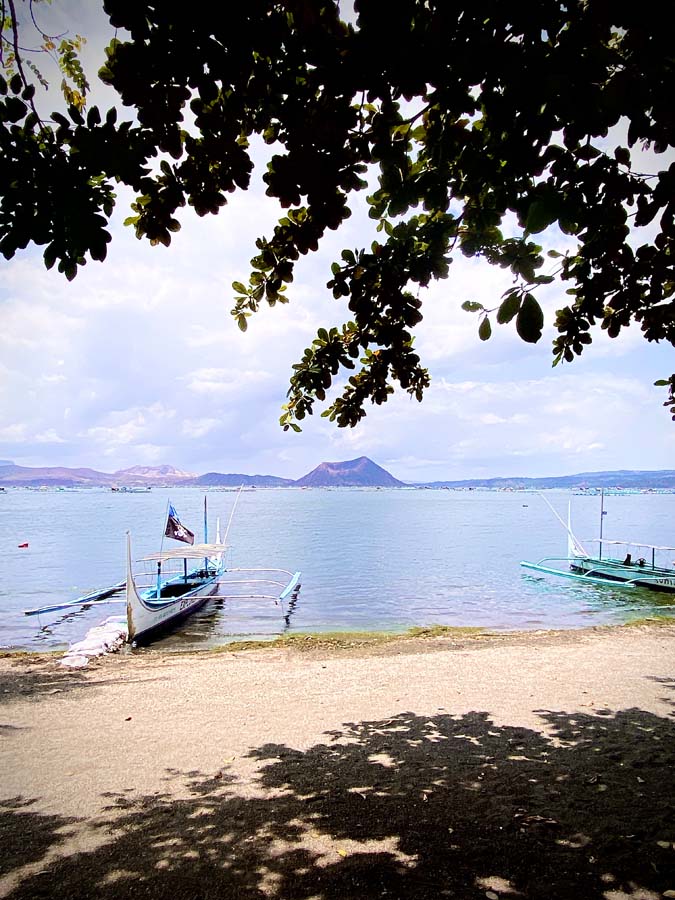
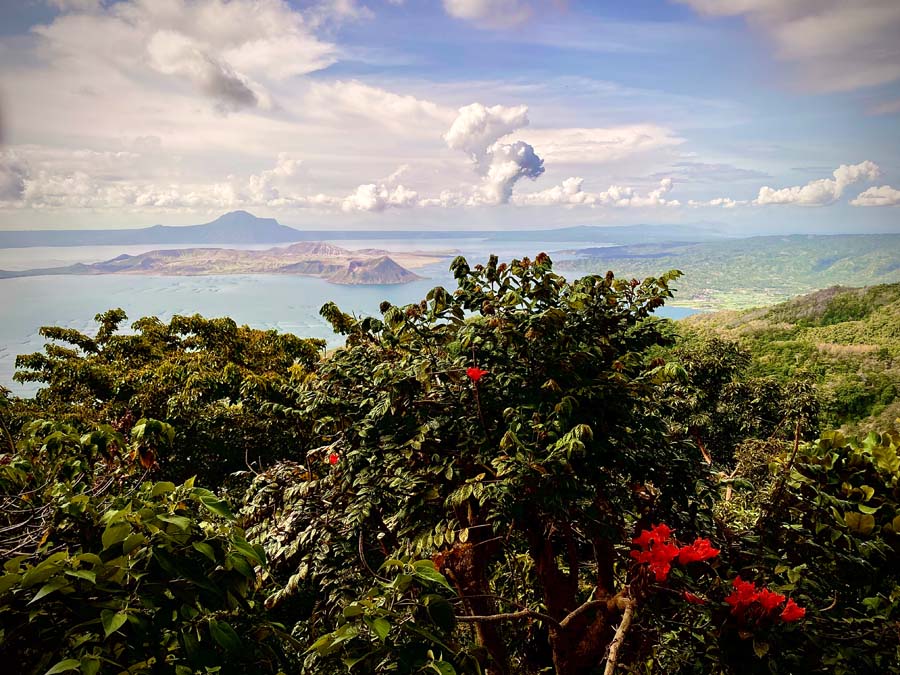
One of nature’s greatest wonders lies just an hour’s drive from Manila. Nestled in the middle of Taal Lake, Taal Volcano is a little stunner that offers breathtaking views worth experiencing up close.
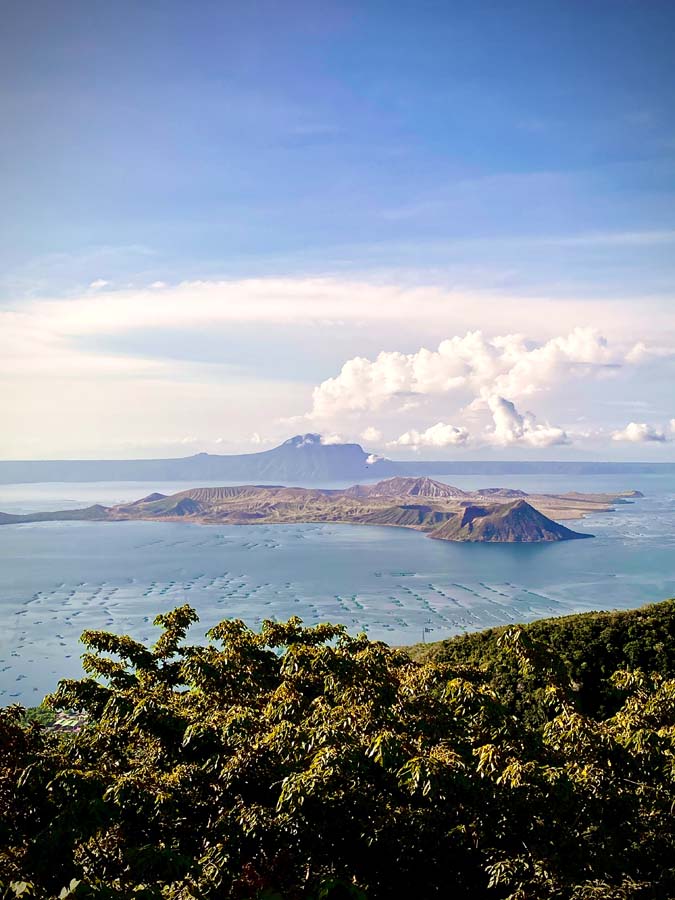
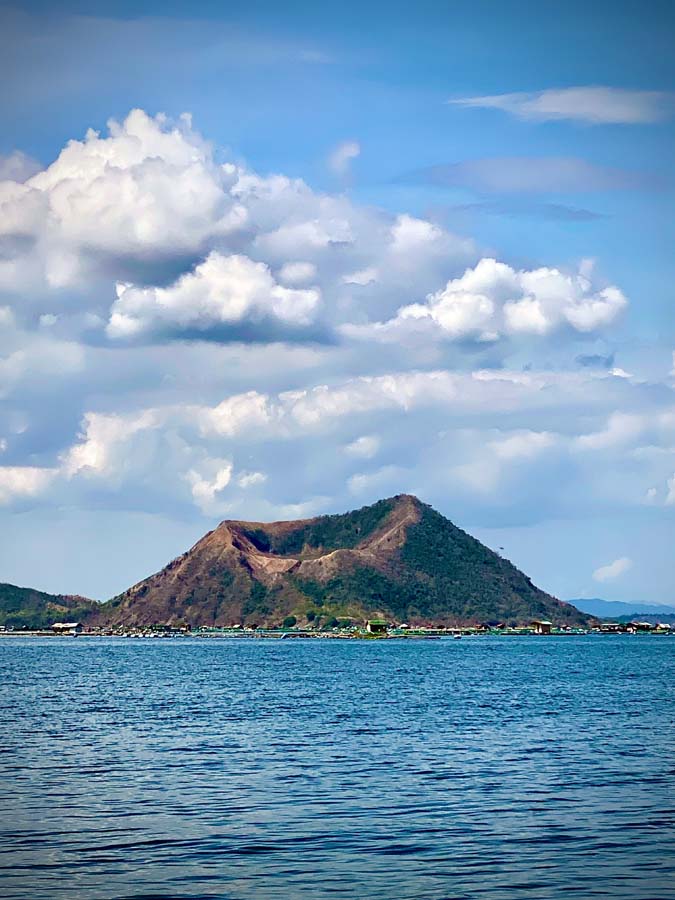
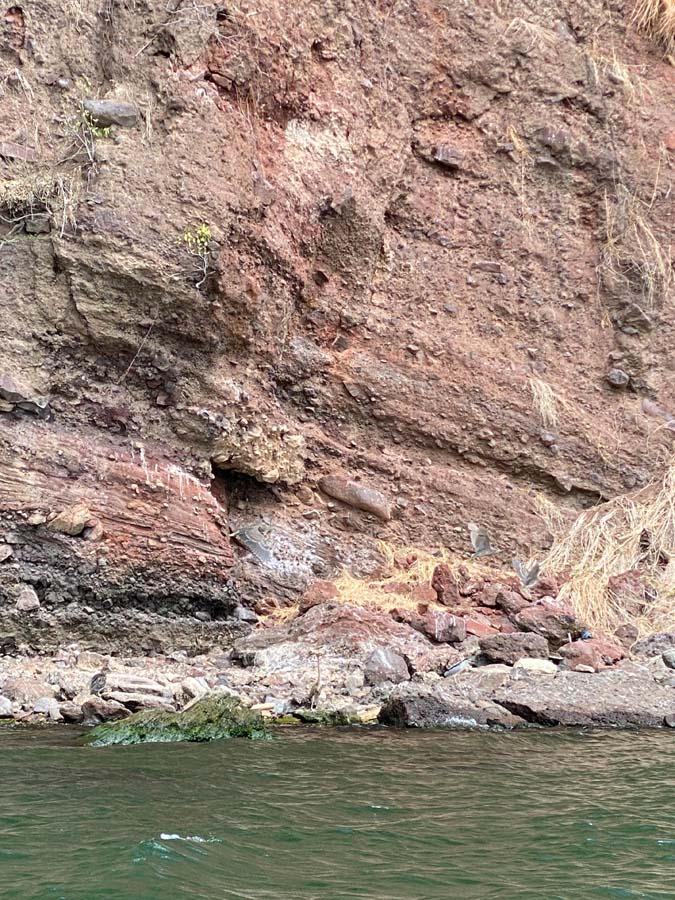
On a recent day trip, my family and I decided to take a little boat ride to get a closer view of the island where the volcano lies. We didn’t actually get off the boat as it was currently prohibited to get on the island due to the volcano’s active state. We did get a nice up close view of it though. It was great!


Taal Volcano has a rich geological and cultural past. It is part of the Pacific Ring of Fire, a region with intense volcanic activity. It began forming around 500,000 years ago through a series of eruptions. The caldera we see today was created during a massive eruption around 5,000 years ago.

What makes Taal unique is its location. It sits on an island within a lake, the Taal Lake. It’s a volcano within a volcano. And that phenomenon is rare worldwide.

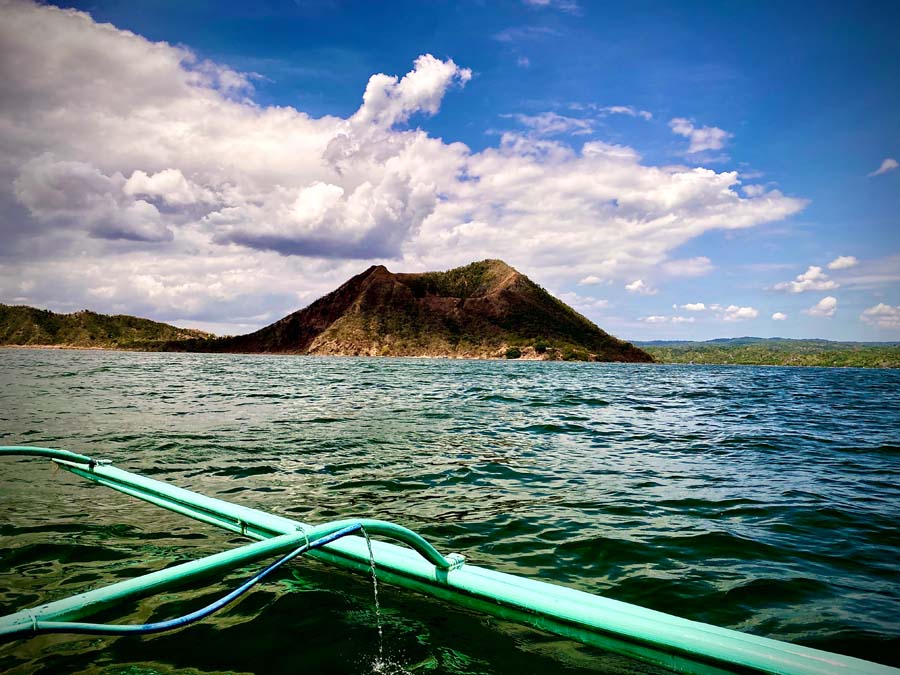
Taal Volcano has erupted multiple times throughout history. The most devastating eruption occurred in 1754, forcing the inhabitants of Taal town to relocate to safer areas. The town of San Nicolas, now submerged beneath Taal Lake, was another casualty. In 1977, Taal erupted again, causing ashfall in nearby towns. Thankfully, no casualties were reported. The most recent significant eruption occurred in January 2020. Ash plumes reached high altitudes, affecting Metro Manila and nearby provinces. Thousands of residents were evacuated, and the landscape changed once more.
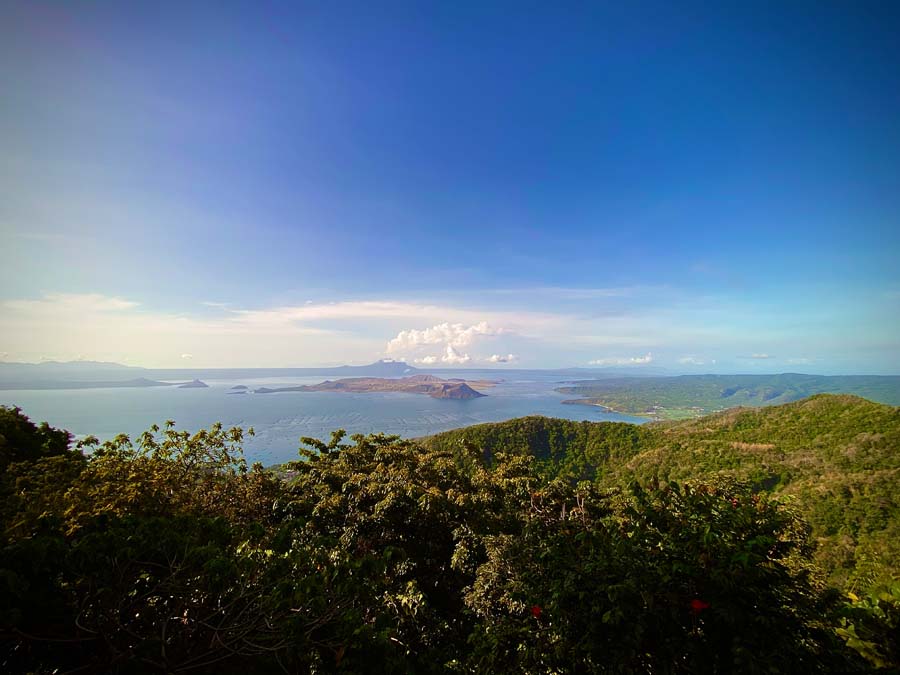
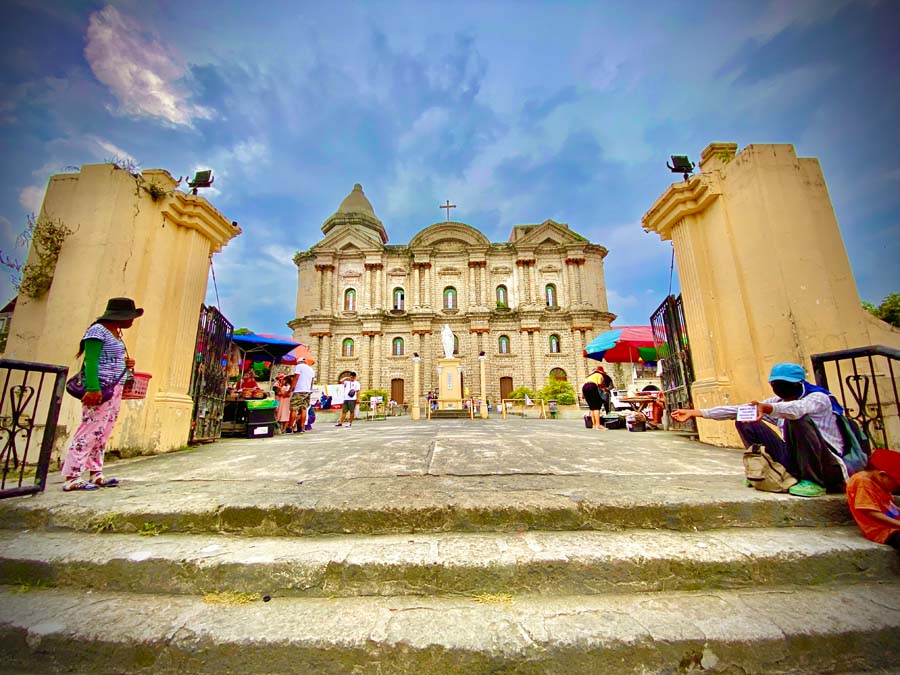
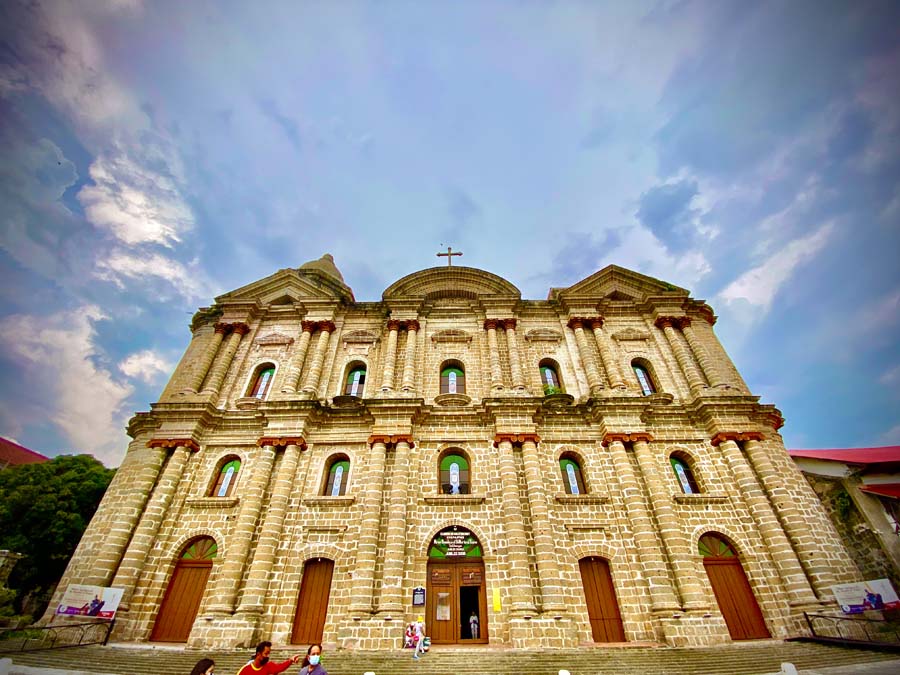
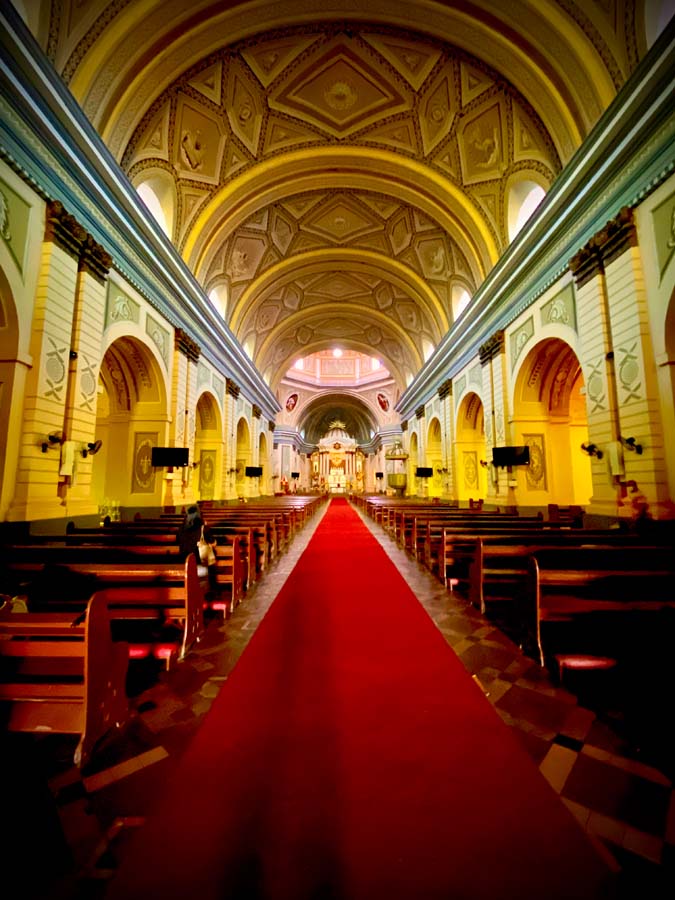
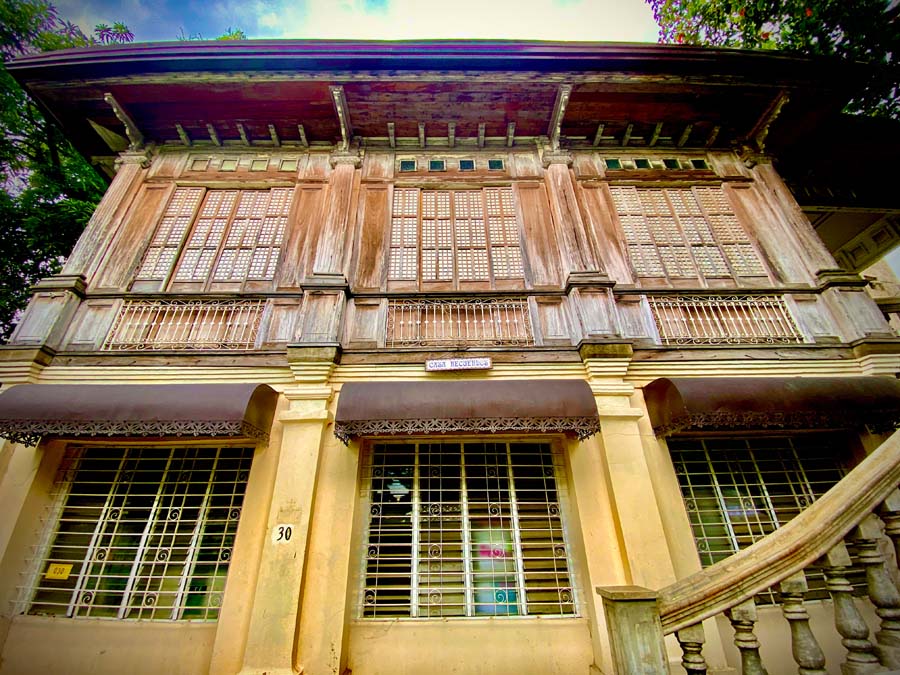
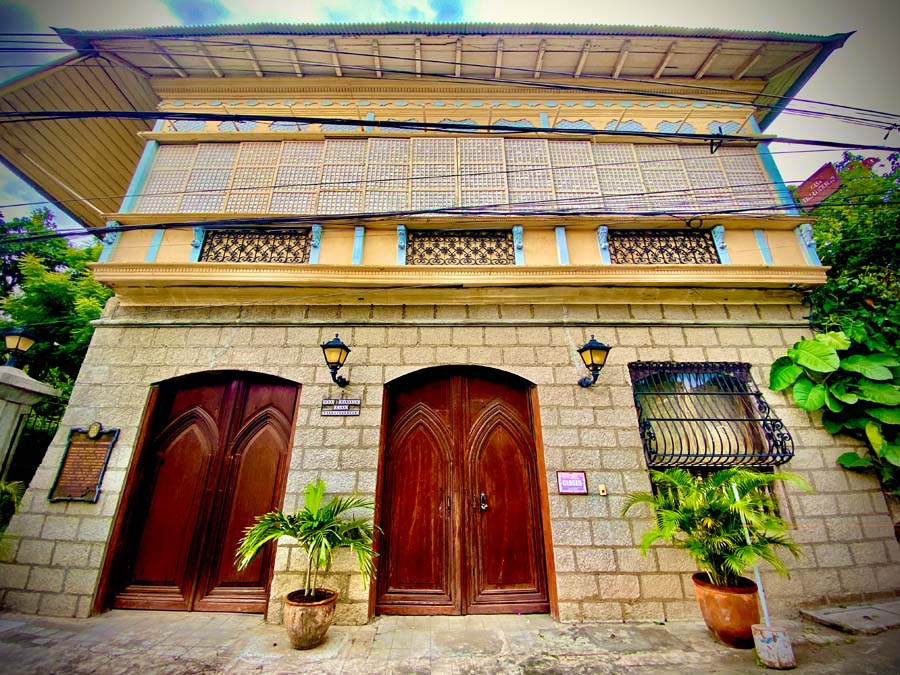
Now, a little bit about the town. Before the Spanish colonized the Philippines, Taal was considered sacred by the Tagalog people. They believed it was the home of the gods and spirits. The name “Taal” itself comes from the Tagalog word “tala,” meaning “star.” When the Spaniards arrived, they established settlements around the Lake. The town of Taal, now known as Taal Heritage Town, became an important religious and cultural center. A lot of residential structures from the time still stands to this day, and they are gorgeous. The Basilica de San Martin de Tours, built in the 16th century, still stands as well as a testament to this era.. It is also considered to be the largest church building in all of Asia
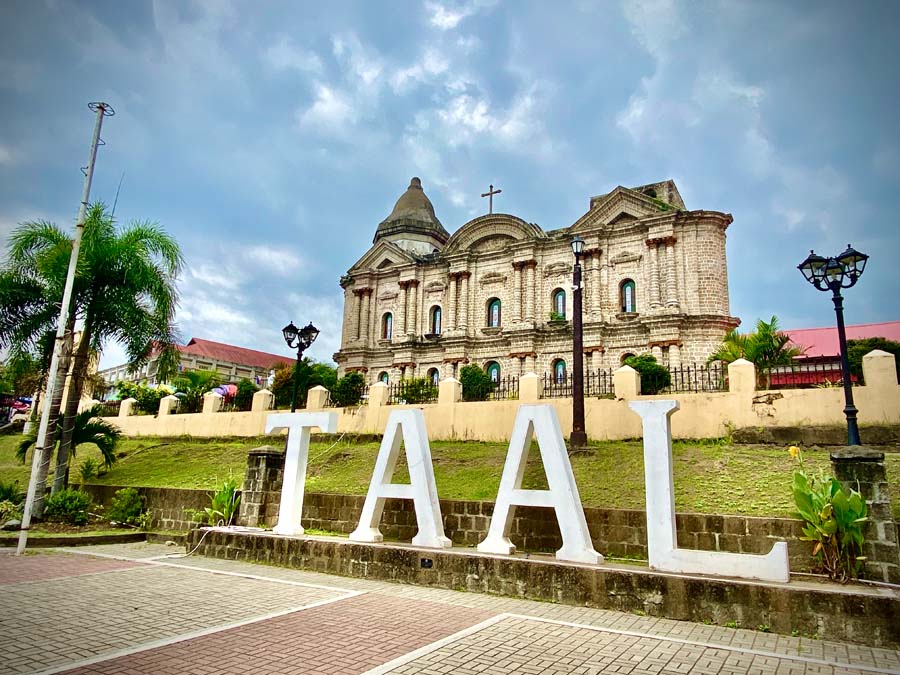
Taal remains a captivating natural and historic wonder, blending geological marvels with cultural heritage. Witnessing it up close, and taking in the lake’s stunning vistas and the town’s architecture, it’s an adventure I won’t forget anytime soon.
Humbled and Honored

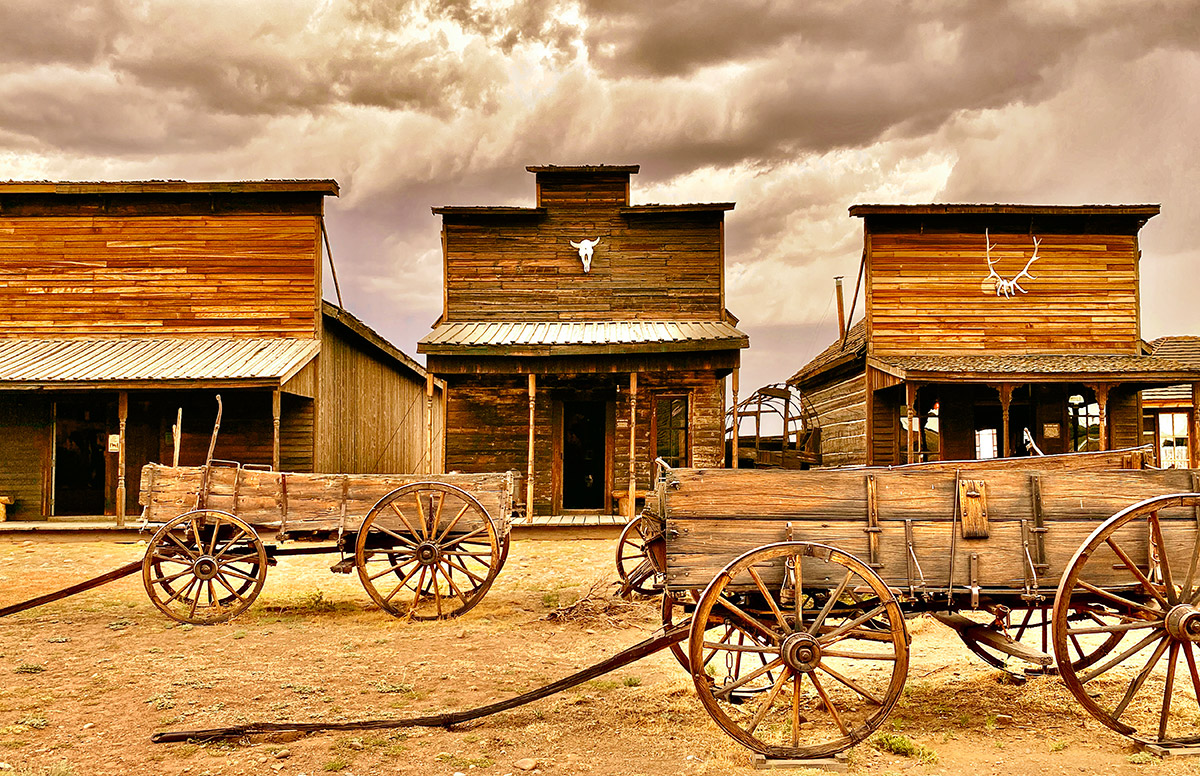
As the golden hour light gently fades over the horizon, it casts a warm glow on 1880 Main Street, Wyoming. This very scene, captured through my lens, has been a journey of passion and patience. Today, I stand humbled and honored, as “Main Street” has been awarded first place in the Cheyenne Artists Guild art competition this March.

“Main Street” is more than a photograph; it’s a narrative frozen in time, a slice of everyday life in the old west that resonates with the vibrancy of the human spirit. Winning this accolade is not just a personal victory; it’s a testament to the stories that we, as artists, strive to tell through our work.

With numerous submissions that were nothing short of inspiring, each piece was a window into another world, a different perspective, and a unique voice. To be in the company of such talented individuals is an honor that fills me with gratitude.

The Cheyenne Artists Guild is a community of artists. It has long been a beacon for creative minds, and this competition has once again highlighted the incredible talent within our community. It’s a reminder that art is not just about individual achievement but about collective inspiration and growth.

As I reflect on this experience, I am reminded that the journey of an artist is never solitary. It is paved with the support, encouragement, and inspiration we draw from one another. “Main Street” may have won this time, but it is the shared passion for art that truly triumphs.

Thank you to the Cheyenne Artists Guild for this honor, and congratulations to all my fellow artists. May we continue to capture the world through our art and inspire each other along the way.

To everyone who has followed my journey, your support means the world to me. Let’s keep creating, exploring, and sharing the beauty we see. Here’s to many more stories to tell!

A Journey Through Time

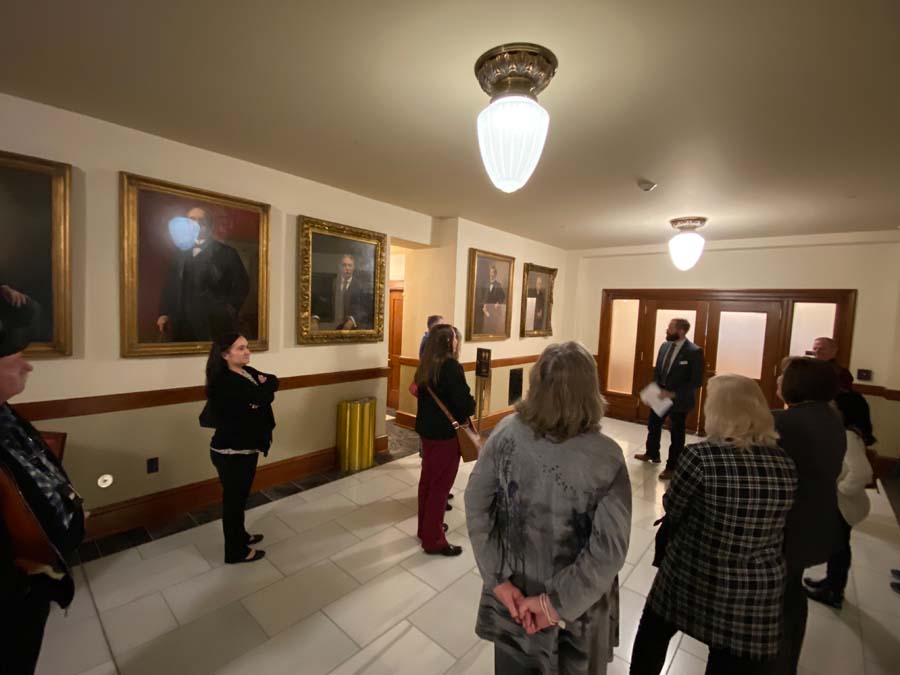
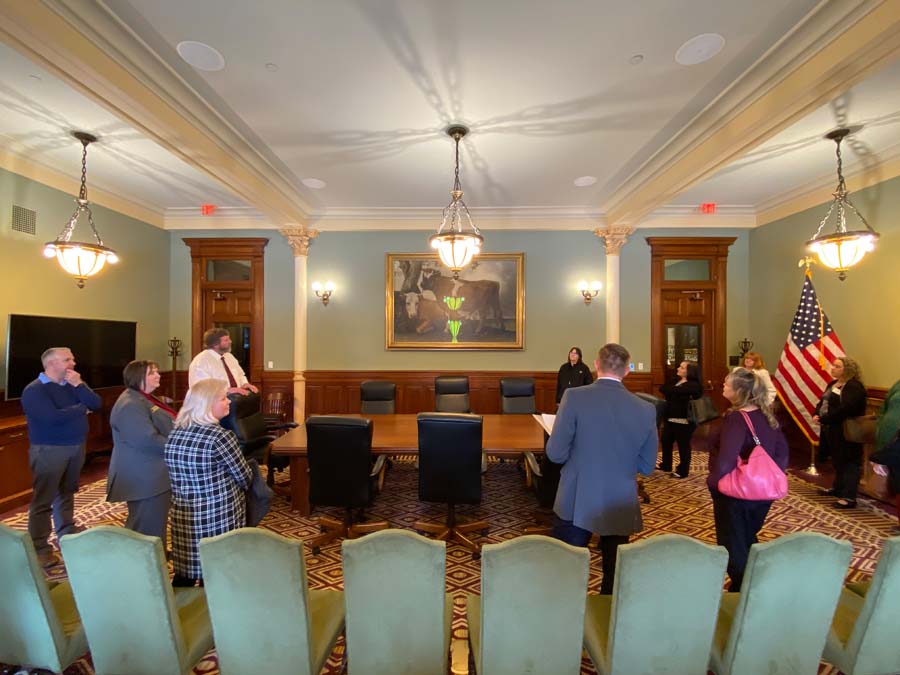
As I stepped into the grandeur of the Wyoming State Capitol, I was immediately transported back in time. This architectural marvel isn’t just a building; it’s a chronicle of Wyoming’s rich history, etched into every stone and corridor.

I’ve been here many times. In fact, I used to work in the building across the street from it for years. But this is the first time I’ve actually joined a guided tour to get a deeper learning about its history.

The Wyoming State Capitol was constructed between 1886 and 1890. It stands as a testament to the state’s early days and its journey to statehood. The cornerstone was laid on May 18, 1887, a significant date that marked the beginning of a structure that would witness the evolution of Wyoming from a territory to the 44th state of the Union.

A symbol of equality, Wyoming has always been a trailblazer. In 1869, it became the first territory in the United States to grant women the right to vote, a bold move that earned it the nickname “The Equality State.” This decision was influenced by various factors, including the desire to attract more women to the territory and a genuine belief in women’s suffrage.

The Capitol’s design is a blend of Renaissance Revival architecture, a style that exudes elegance and authority. Its recent renovation, completed in 2019, has restored the building to its original splendor while integrating modern necessities.

Wyoming’s story is one of resilience and pioneering spirit. From the prehistoric human habitation dating back 13,000 years to the establishment of Yellowstone National Park, Wyoming has played a pivotal role in the American narrative.

My tour of the Wyoming State Capitol was more than just an educational experience; it was a journey through the heart of Wyoming’s identity. As I walked the halls where history was made, I felt a deep connection to the past and a renewed appreciation for the state’s enduring legacy.

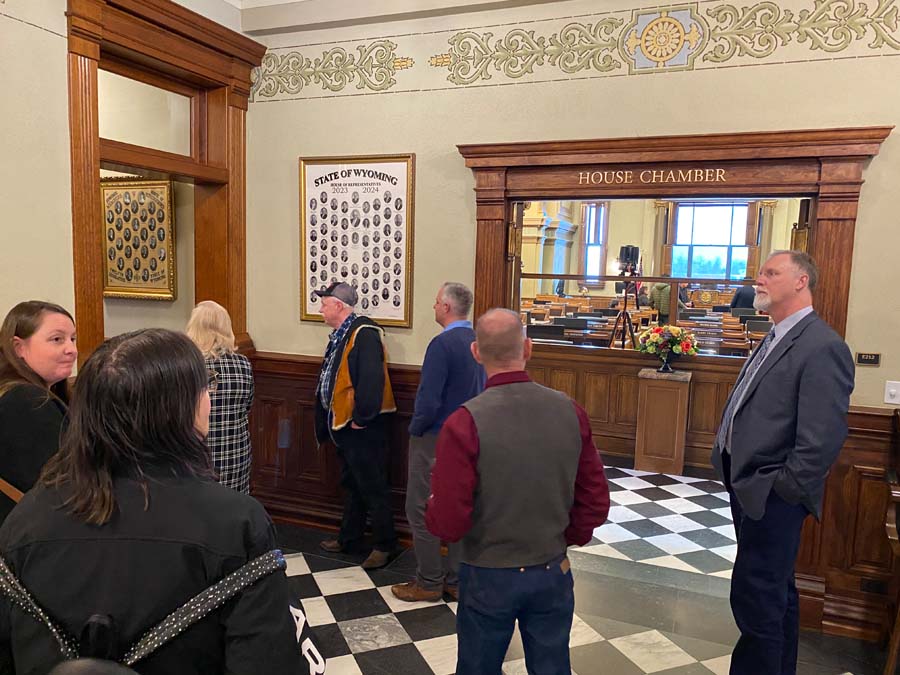
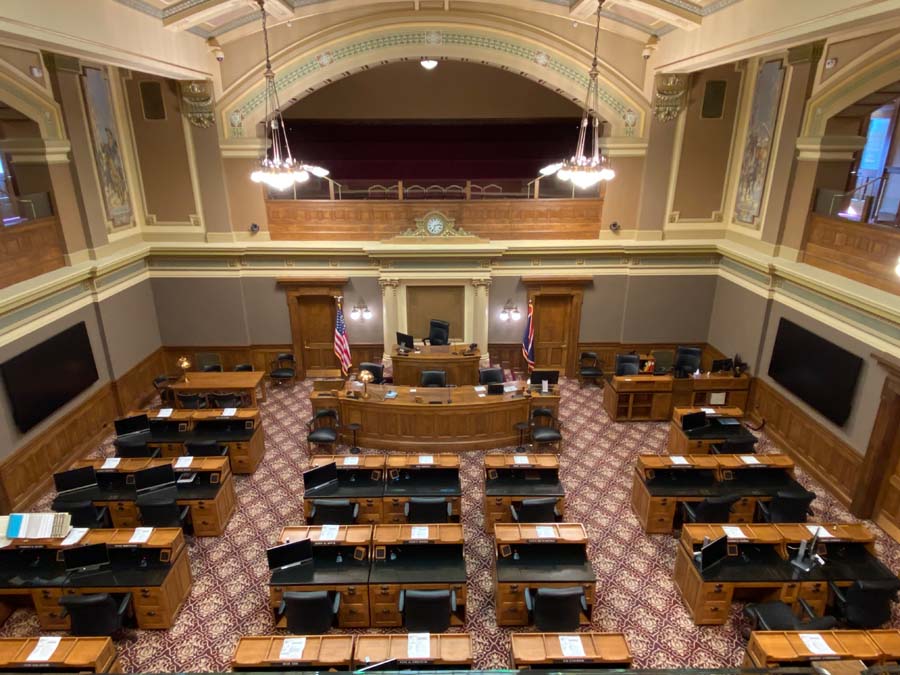
Here’s a few more photos from the tour.

A Wintry Welcome

On the way back home from this trip was a 9-hour grueling trek through bleak and dismal Nebraska. The photo below shows what was as clear as anything you saw throughout the entire stretch of the I-80 freeway from Iowa to Wyoming. I was glad to be home before the weather started to go downhill in my neck of the woods as well. Because, go down, it did!

Yet, I’m grateful for the chance to go on this unplanned epic, two-weeklong, 4,000 mile road trip in 12 states! All on a whim! Thanks to my friend, Russell for being behind the wheel the whole time or I would not have been able to take as many pictures as I did.

Now I can’t wait till the next one!

Homestretch

We’re very tired at this point. It’s the 13th day of our most epic road trip yet, but we are now on the homestretch. However, what’s one more stop before heading home? I’ve been to Des Moines before but my friend Russell hasn’t. So, here we go. Last one.

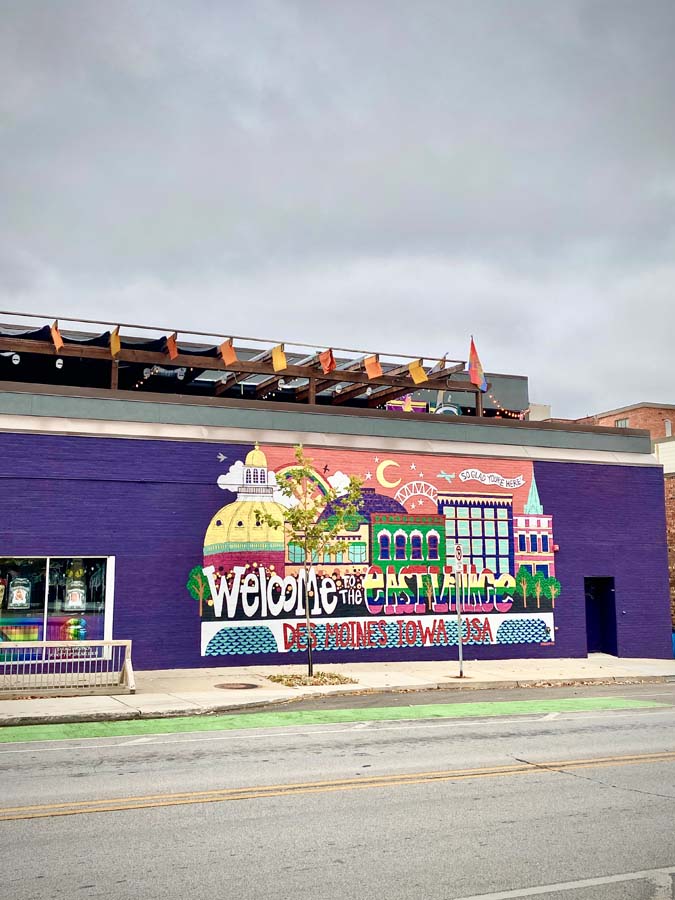
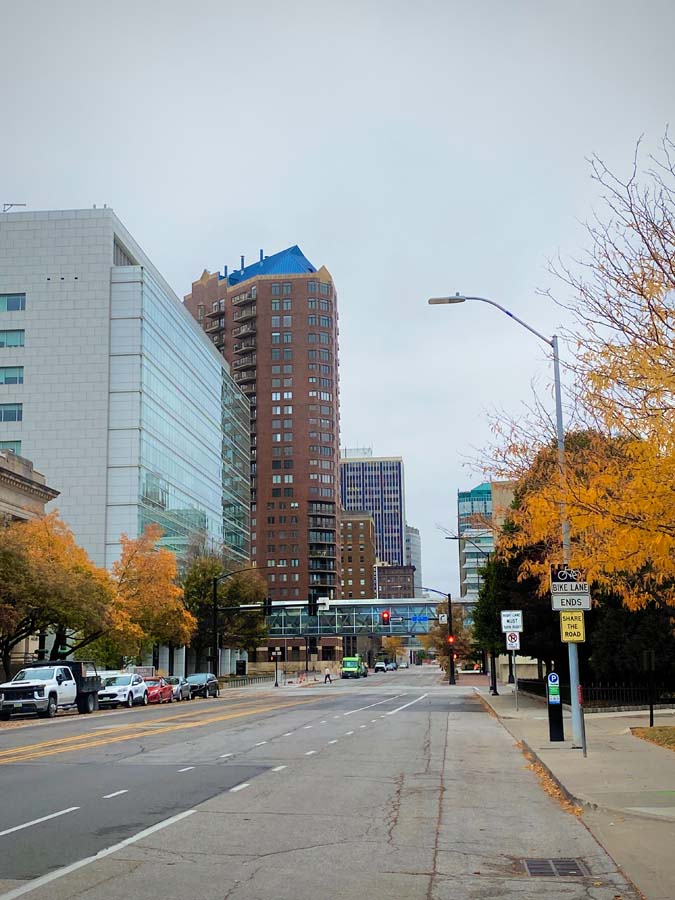
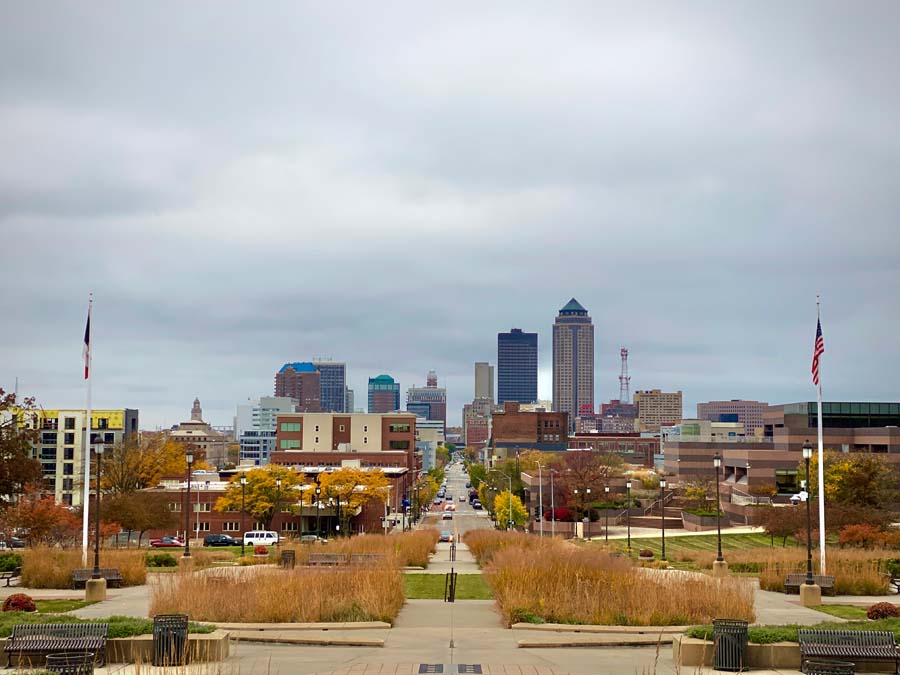
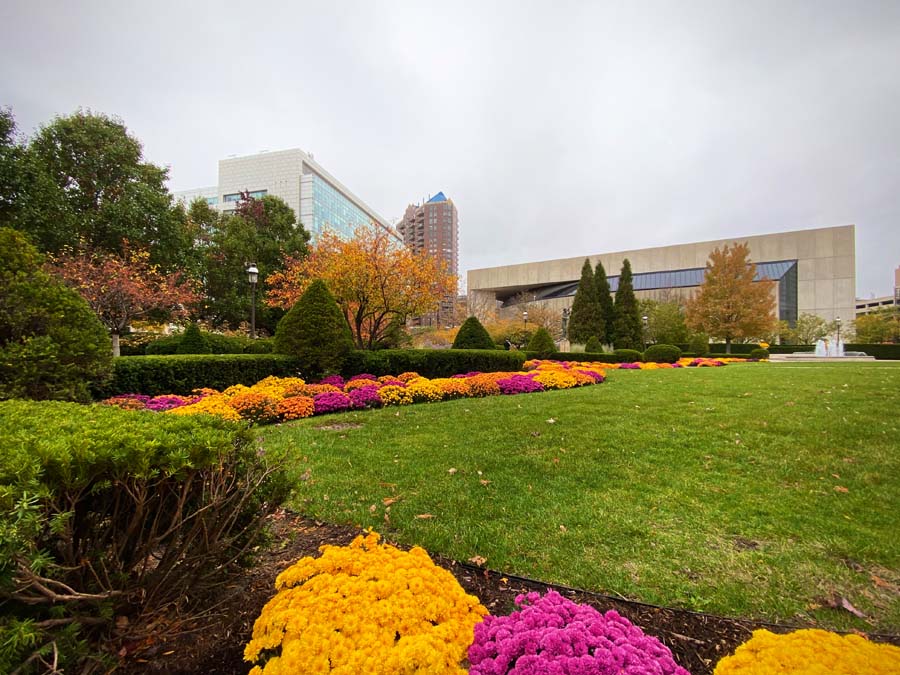
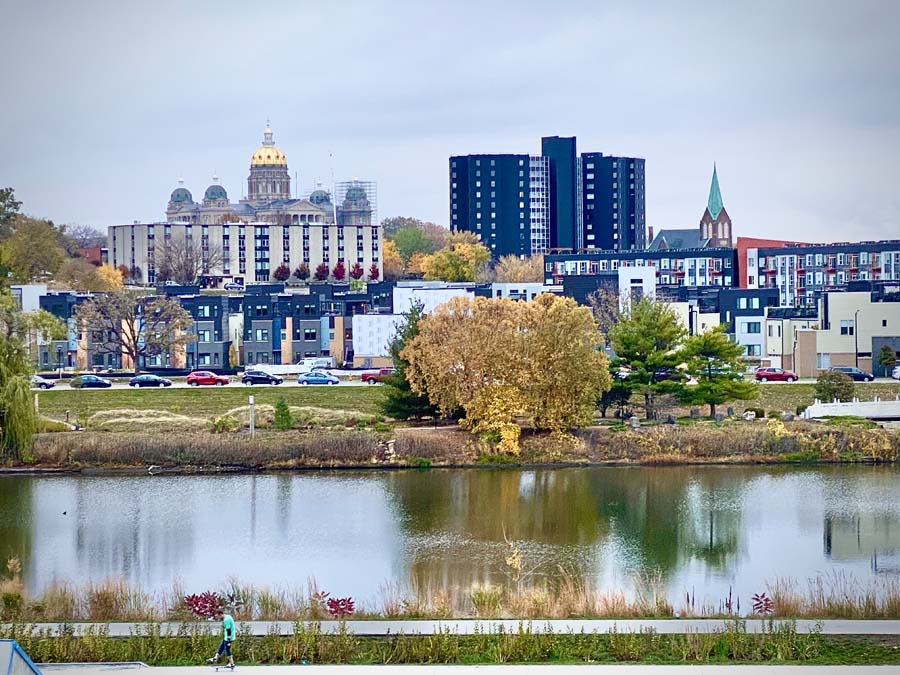
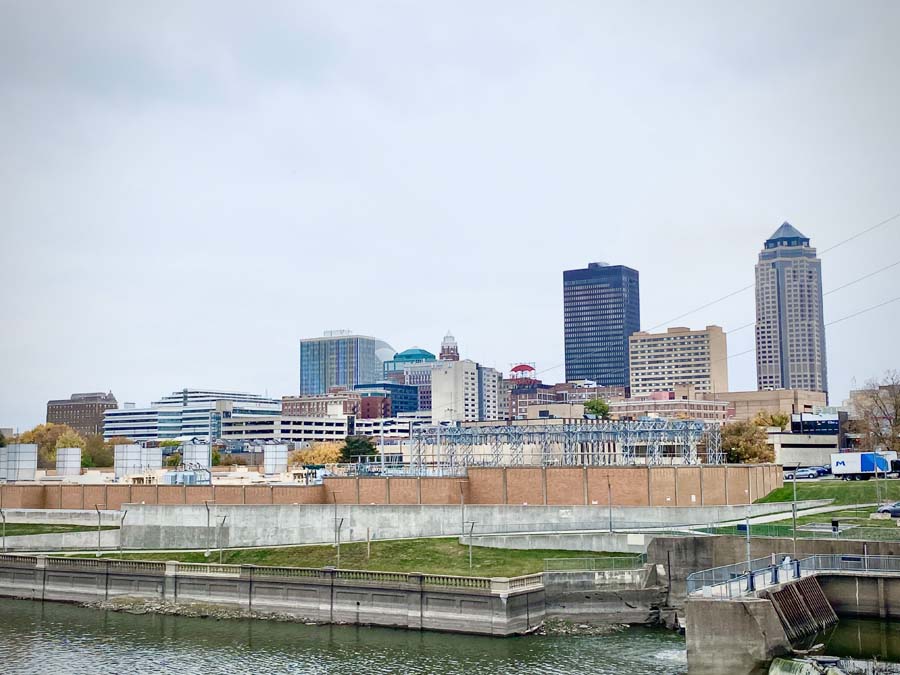
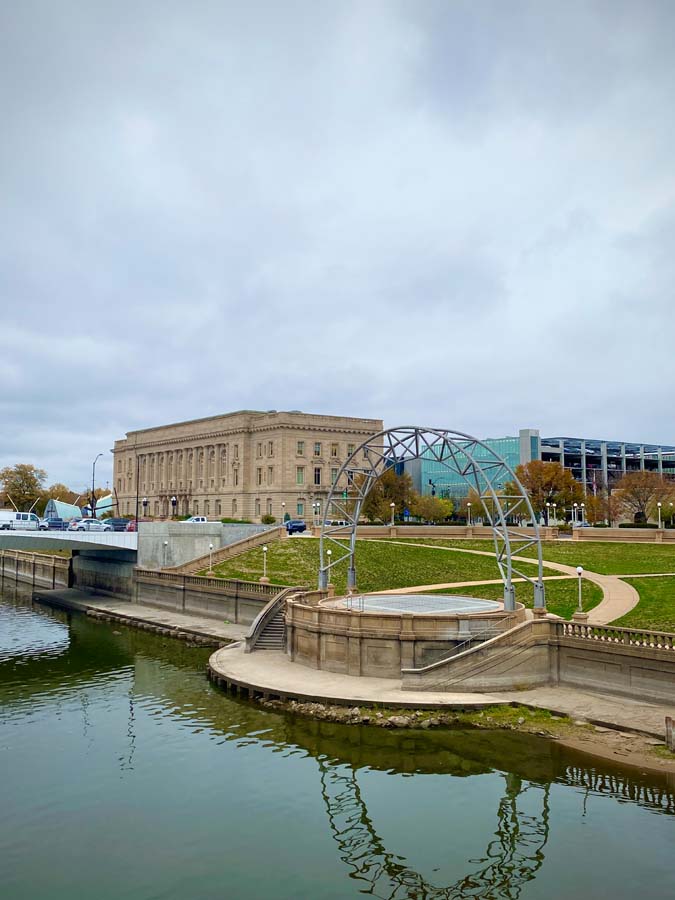
Des Moines, the capital city of Iowa, is a hidden gem. Downtown is where the city’s heartbeat resonates. It’s a vibrant blend of history, culture, and modernity. Unfortunately, the weather was overcast that day, as these photos attest.

The State Capitol stands tall, its golden dome gleaming against the sky. A masterpiece of architecture. We climbed the steps, pausing to admire the intricate carvings and the grandeur of the rotunda. Surrounding the building is a patchwork of green parks, historic buildings, and modern skyscrapers.

A few blocks away was the Des Moines River. A serene pathway on both sides offered glimpses of the water shimmering under the sun. There were fun things to see as well, such as the Lauridsen Skatepark, the Robert Ray Asian Garden, The Principal Riv Walk Bridge, the World Food Prize Hall of Laureates and the Des Moines Historic District. The city skyline stood as a backdrop, reminding us that nature and urban life can coexist harmoniously.
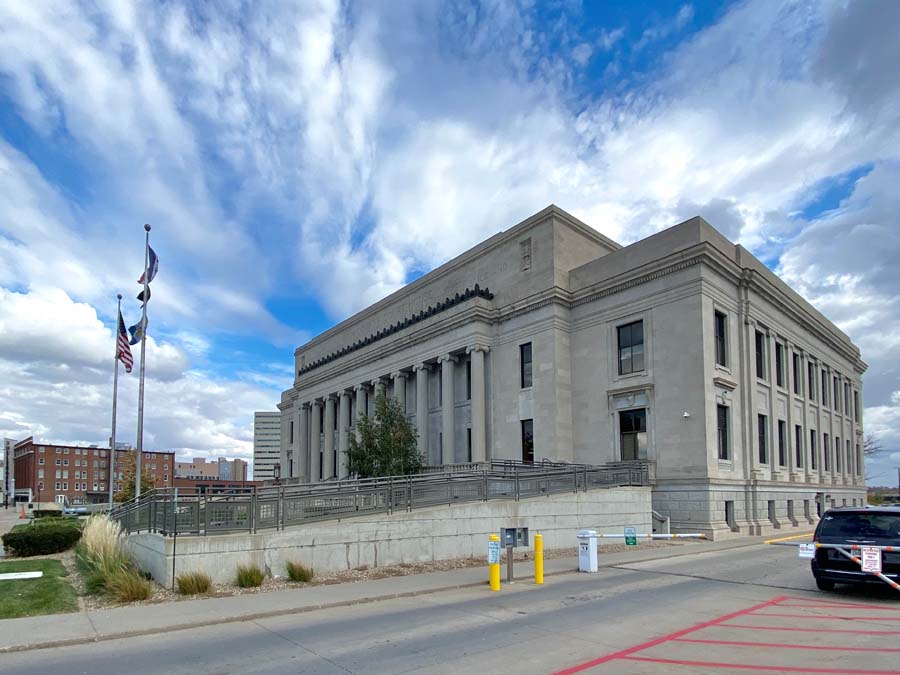
Our time was limited, but we enjoyed every moment of our short stay in Des Moines. It truly was a joy to experience all the sights.

Until the next road trip. Now, time to go home and rest.

Downtown Cedar Rapids in Two Hours

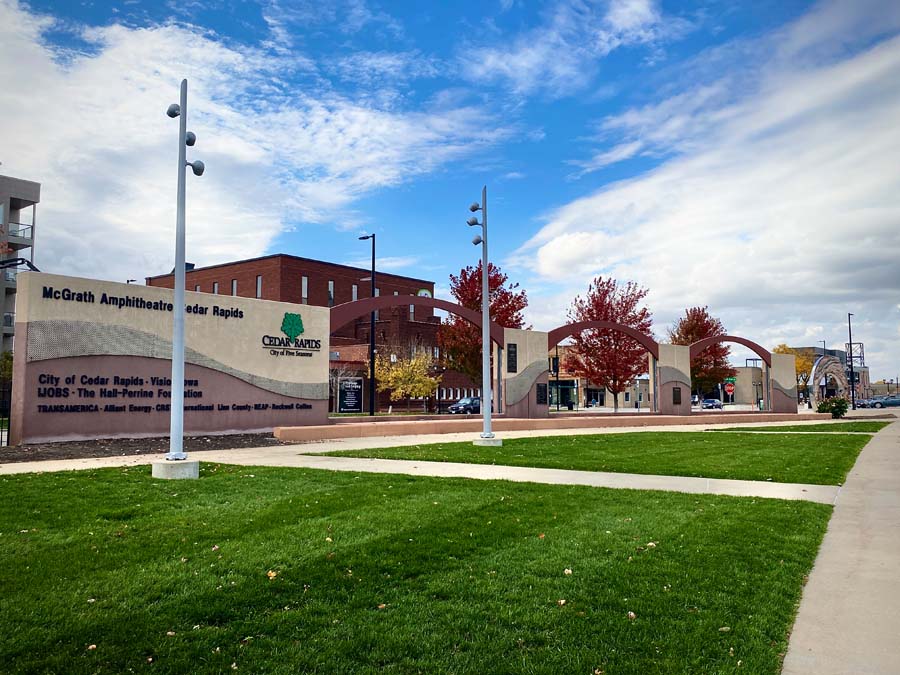
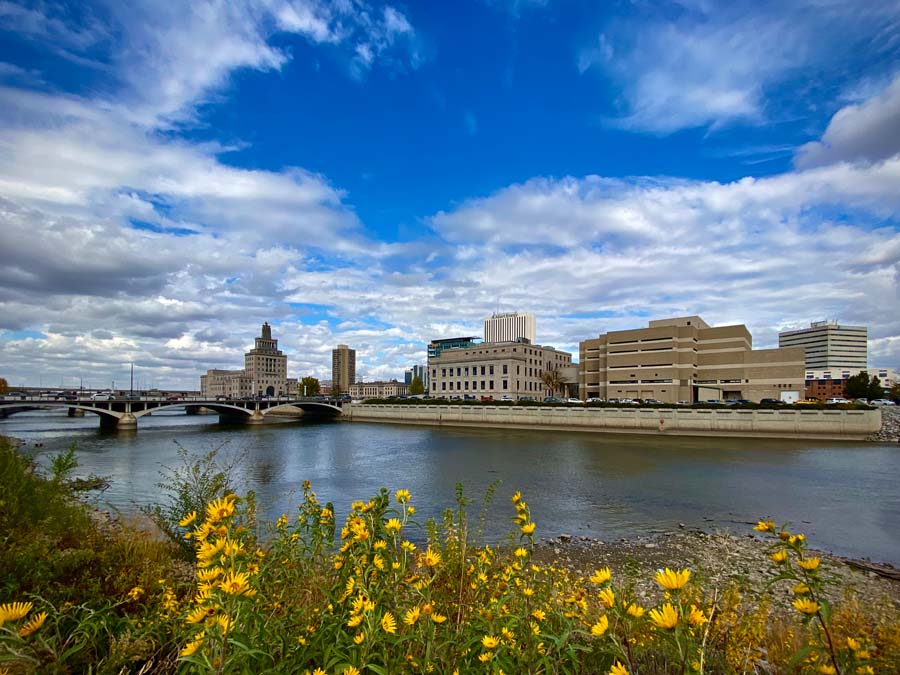
Heading back West, we stopped by Cedar Rapids for a few snapshots. Quaint streets, friendly locals, and a dash of Midwest charm. It was a whirlwind affair though. Since it was late in the afternoon, we only had a couple of hours to spare before we had to move on. So, Russell and I hurriedly explored the riverside and downtown areas.

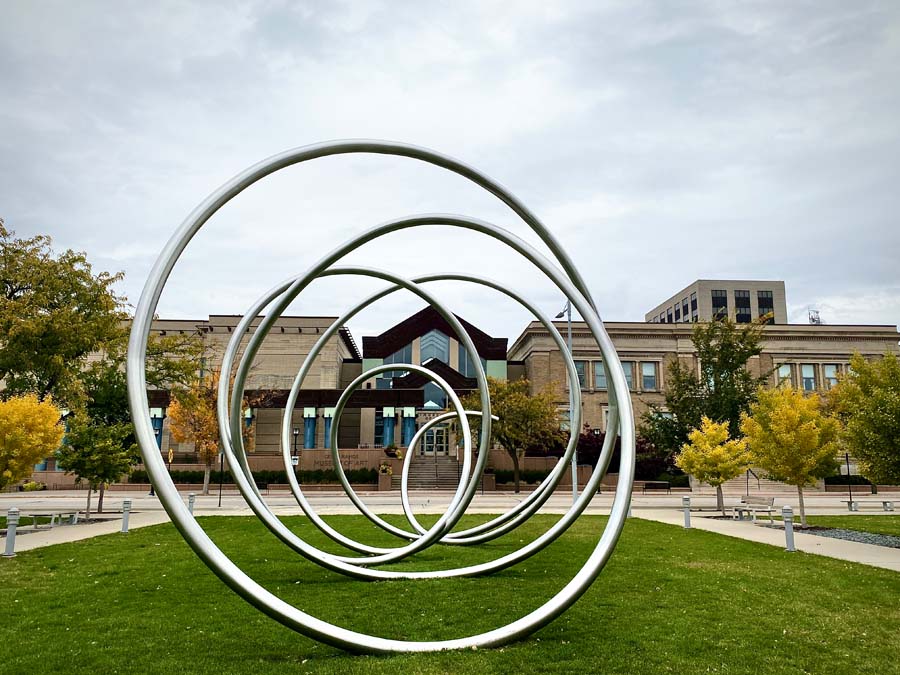
This town wears its art on its body. Murals adorned alleyways, transforming mundane brick into canvases of color. Sculptures and other large art pieces lay on parks everywhere.

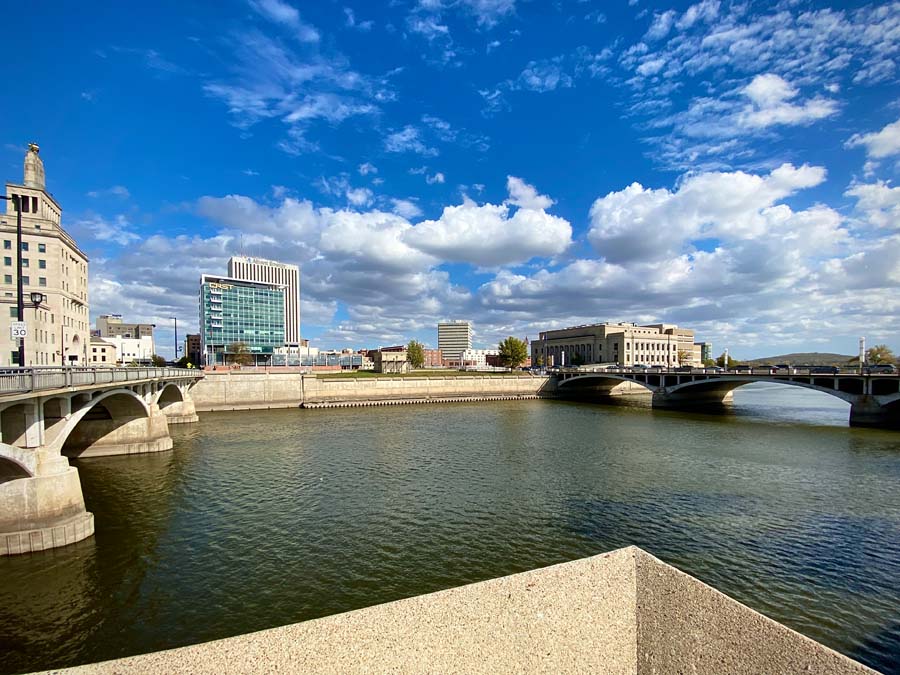
The bridge beckoned, a steel-and-concrete whisperer connecting two worlds. As we crossed, the Cedar River murmured tales of floods and resilience.

And just like that, our rendezvous with Cedar Rapids drew to a close. We didn’t conquer museums or scale skyscrapers, but we soaked in the essence of the heart of the city as much as we could.

Onward and Westward.

If You Build It…

Dyersville, a quaint town nestled in the heart of the Midwest, had been etched into my travel bucket list for years. It was home to the Field of Dreams — a place where baseball, nostalgia, and a touch of magic converged.

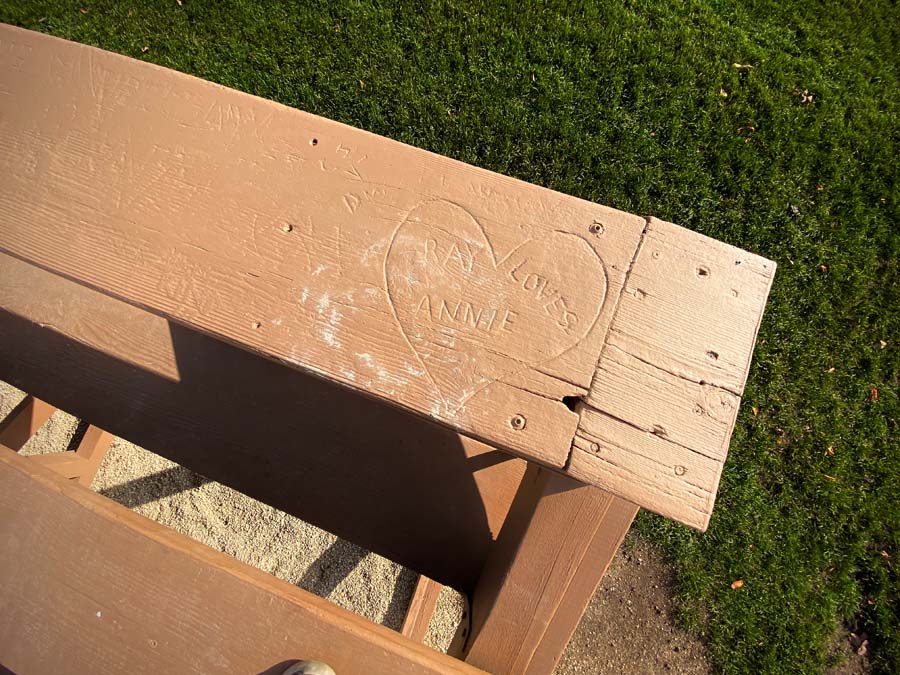
The movie came out in 1989. The first one I’ve seen Kevin Costner in. It tells the heartwarming tale of Ray Kinsella, an Iowa corn farmer. Guided by a ghostly voice, Ray plows his crops and builds a baseball field right in the middle of his cornfield. This field becomes a portal for long-departed White Sox players, ousted from the team in the infamous 1919 Black Sox scandal.

Today, the very same baseball diamond from the movie exists as a tangible slice of Americana. Located just outside Dyersville, Iowa, it stands as a testament to the enduring magic of cinema.

The Iowa scenes for Field of Dreams were shot across two neighboring farms. Don Lansing and Al Ameskamp generously lent their cornfields for the project. Most of the turf fell on Lansing’s side, creating the iconic baseball diamond.

The production company left the field behind after filming, and Lansing turned his property into a tourist attraction. Visitors can now stand on the pitcher’s mound, gazing out at the endless rows of corn, and feeling the whispers of baseball legends.

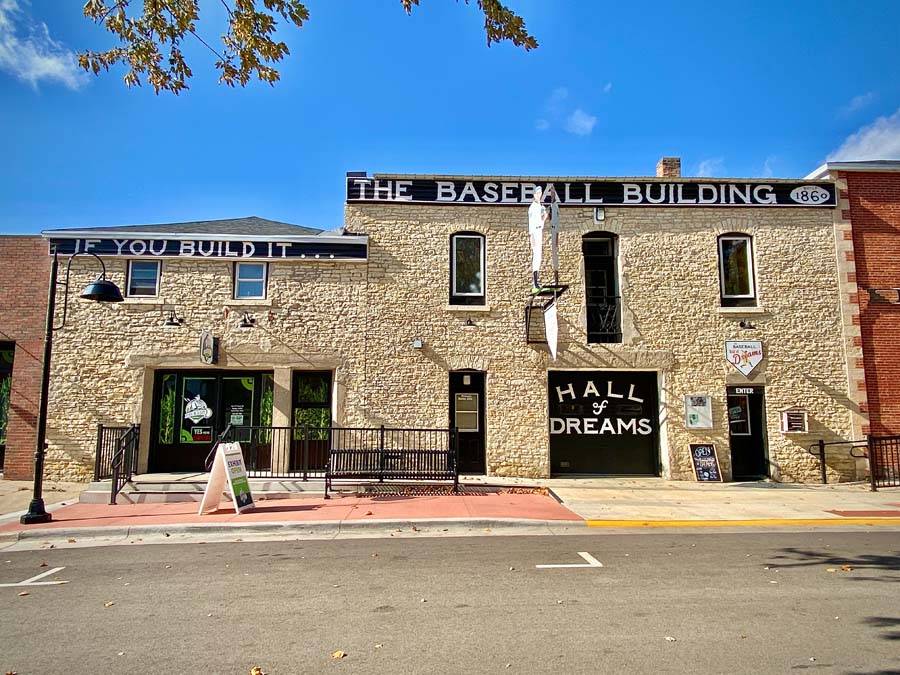
And just a short drive away was the Baseball Hall of Dreams. Owned by Dwier Brown, who played Ray Kinsella’s father in the movie, and David Feigin, this gift shop is a treasure trove for baseball enthusiasts. From signed memorabilia to T-shirts, they’ve got it all. I picked a simple fridge magnet, as I do in all of my travels.

Russell and I, then, took a leisurely drive through downtown Dyersville on our way out. Historic buildings lined the streets, I’m sure each with its own story to tell. The town exuded a timeless charm.

As we merged back onto the highway, I glanced back one last time. I was reminded that sometimes, reality and fantasy intertwine in the most unexpected places. Today, the iconic whisper — “If you build it, he will come” — echoes on.

Beer and Cheese Curds

First of all, I would like to mention that I had to take a break from posting during the holidays. And happy new year, by the way. However, I’m not done yet with telling stories about my road trip from last October. I’ve a few more stops to go through. Right now, we are in Milwaukee.

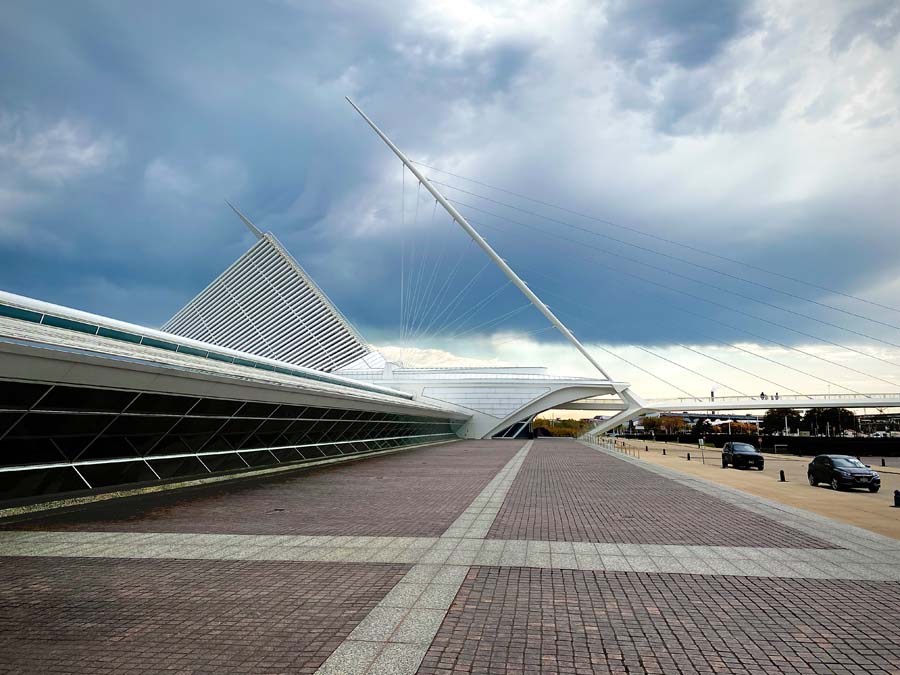
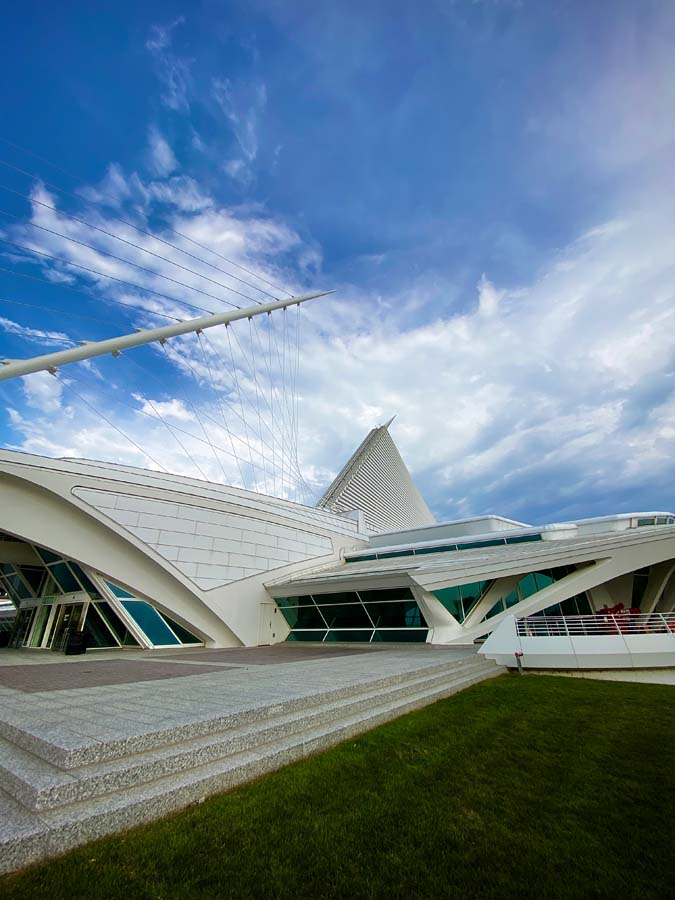
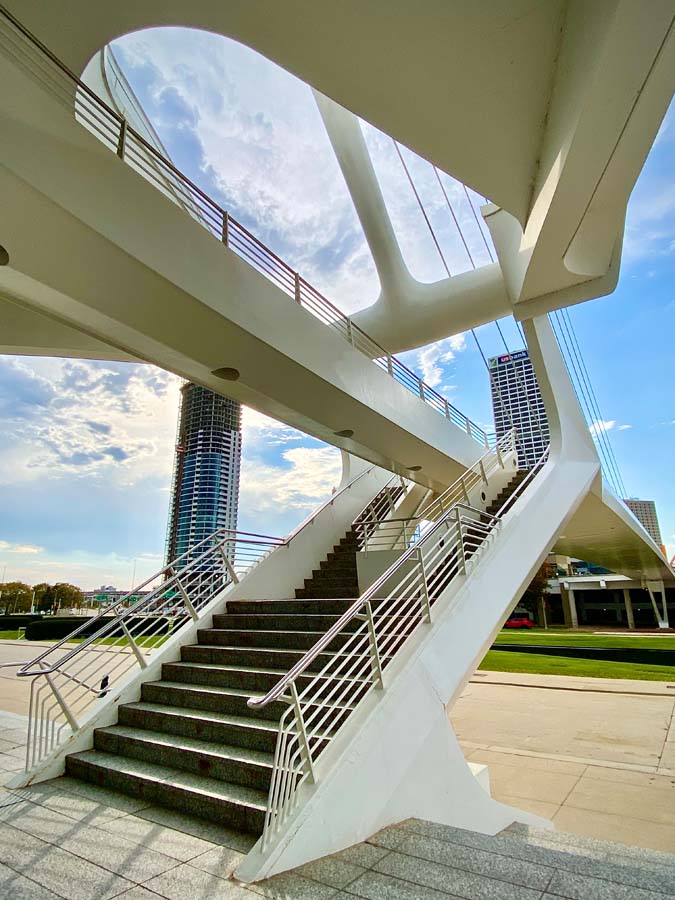
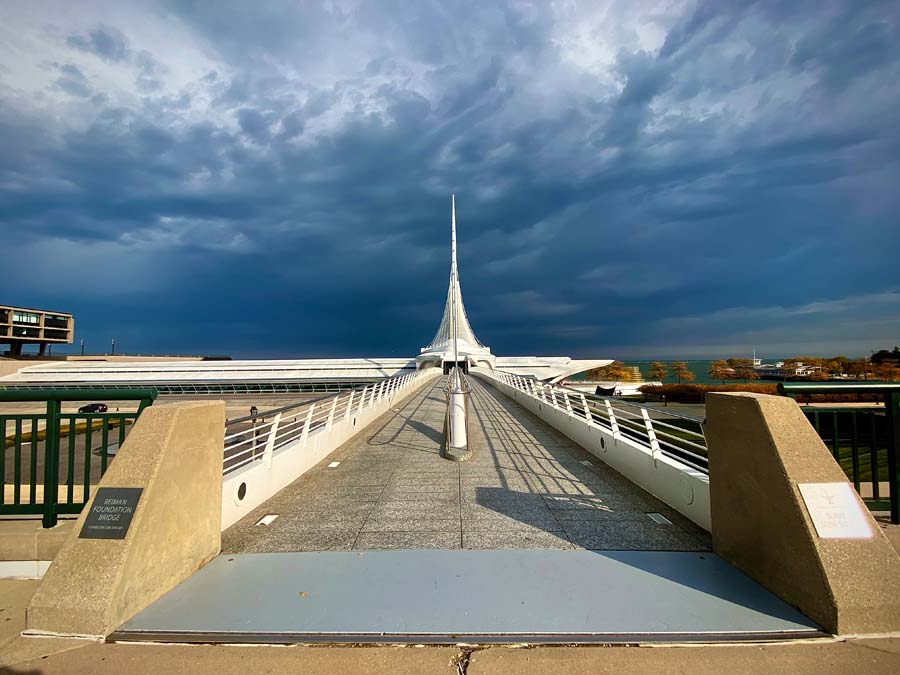
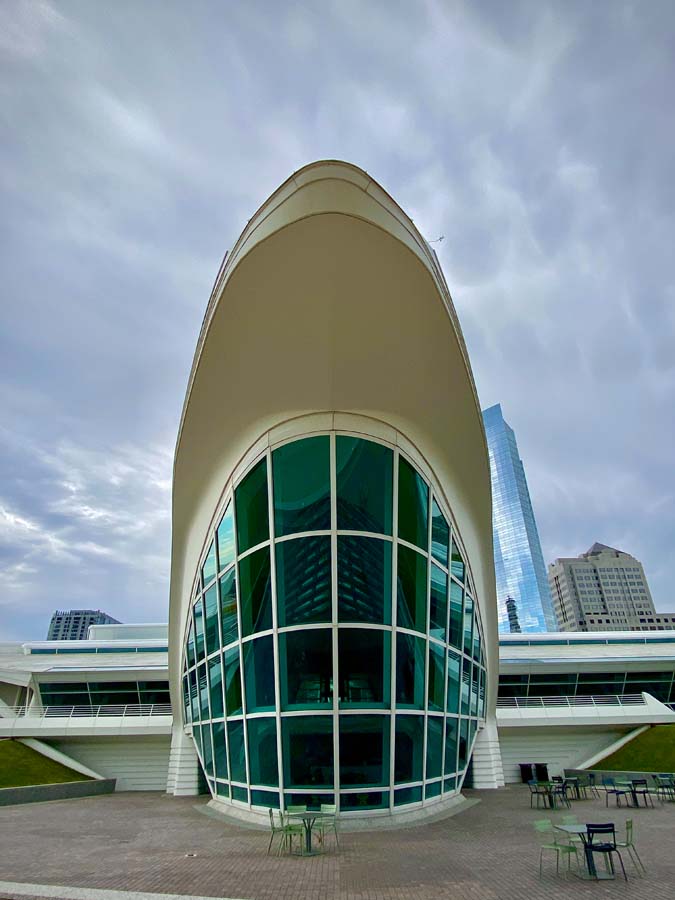
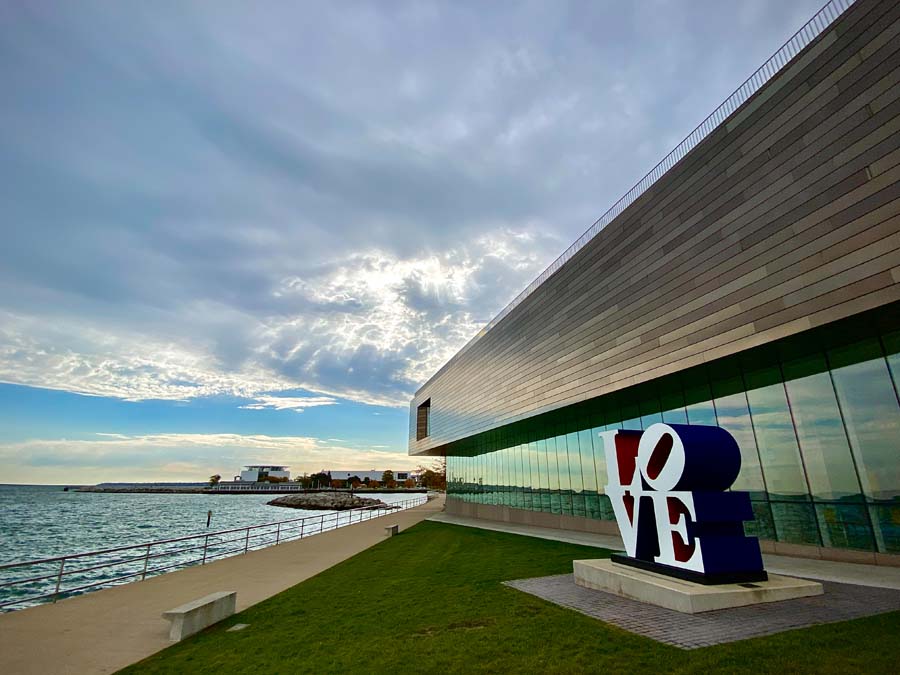
And the sun peeked over Lake Michigan that day, casting a golden hue on the Milwaukee Art Museum’s iconic wings. I walked around the building to take a few photos. The mesmerizing architecture almost made me lose track of time. I had to keep moving.

Emerging from the museum, I followed the lakeshore path to Lake Park. The view of the city skyline is simple but gorgeous. And the air smelled of pine and adventure. Juneau Park, Veterans Park, McKinley Park, and Back Bay Park, each has its own story.

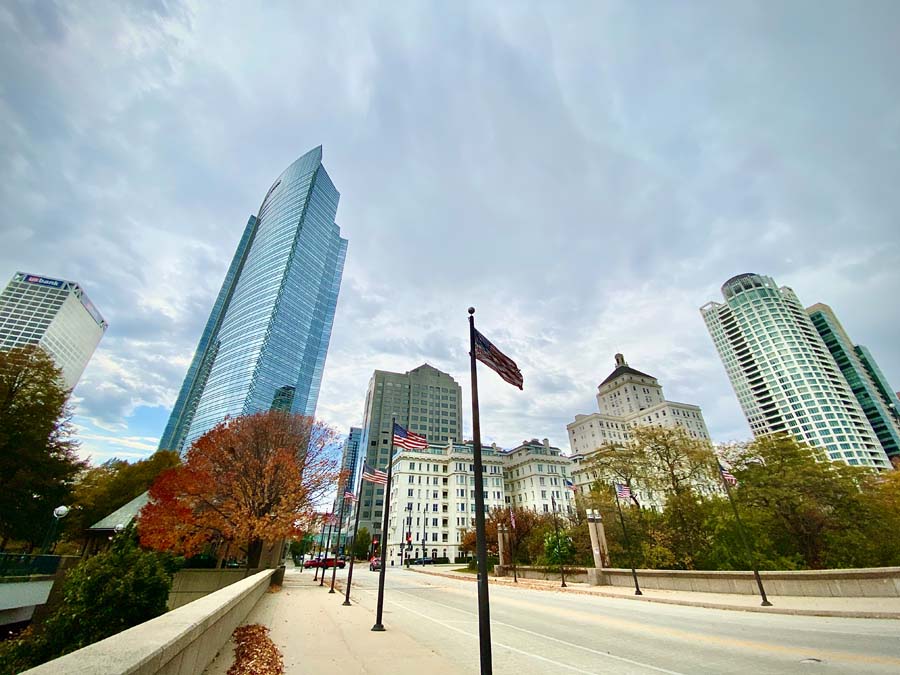
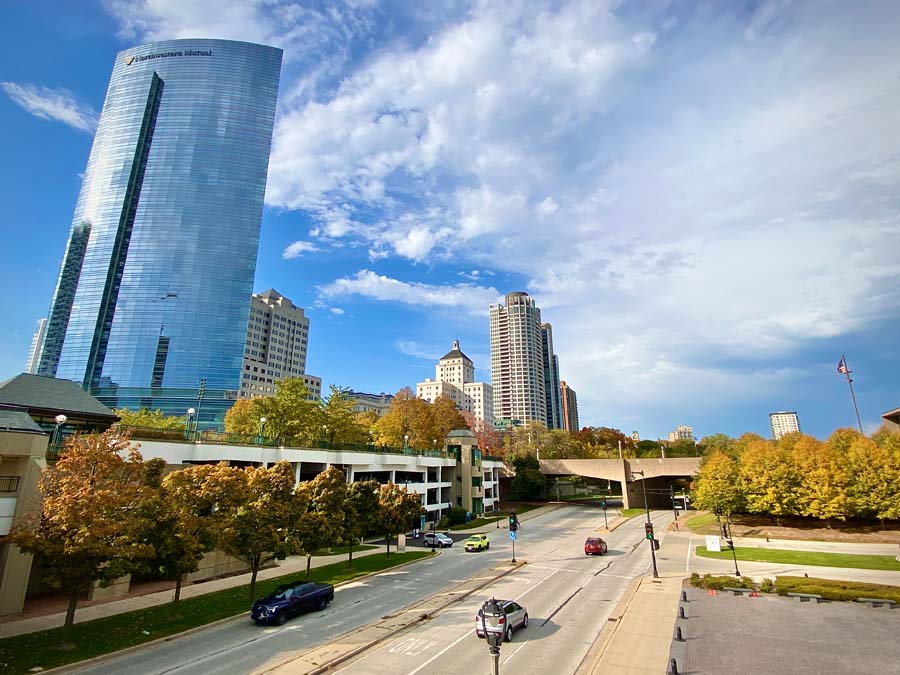
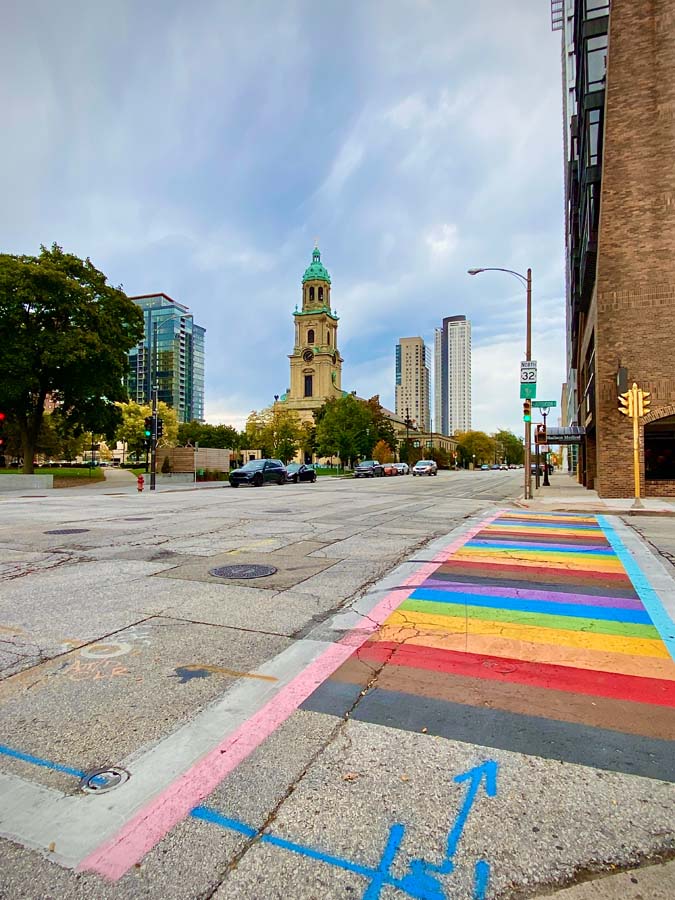
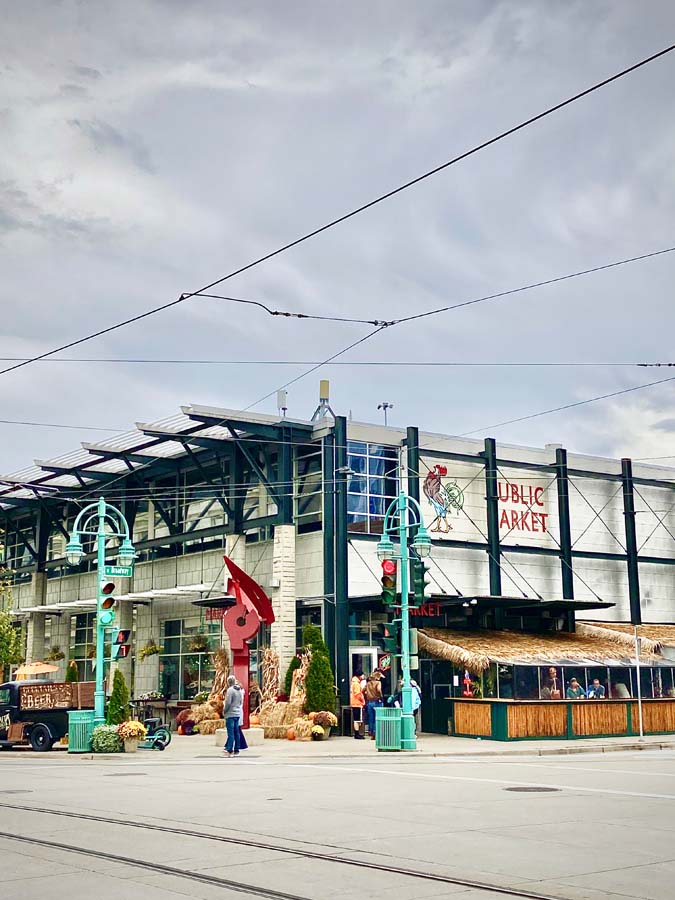
Then I moved on and walked towards Downtown. Cathedral Square Park, a green oasis surrounded by historic brownstones. The Milwaukee Public Market beckoned with its tantalizing aromas—fresh-baked bread, spicy sausages, and exotic spices. The Historic Third Ward, once a bustling warehouse district, now thrives with boutiques, art galleries, and trendy eateries.

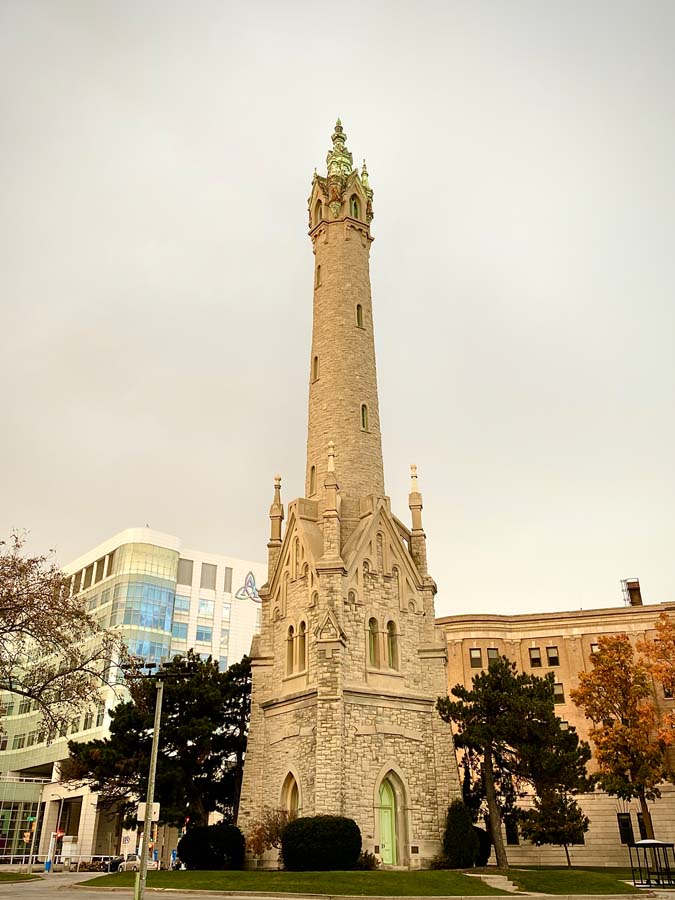
As I headed north of town, I stumbled upon the Mitchell Building, with its ornate facade, stood as a testament to the city’s industrial past. At City Hall Square, the clock tower watched over the city, its chimes echoing through time.

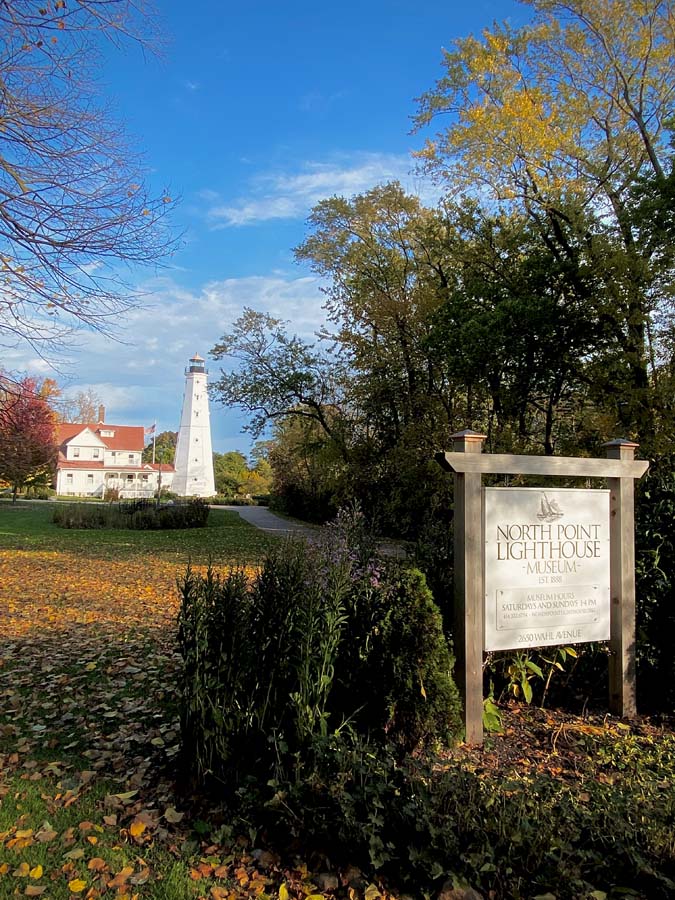
Driving up and through the Upper East Side, I discovered the North Point Lighthouse. Perched atop a bluff, I was told it guided ships home for generations. The surroundings are wonderful. Walk paths and gardens abound.

As I headed back, I stumbled upon the whimsical Gilman Triangle — a quirky little park tucked between buildings. A bronze statue of a dancing couple stood at its center, frozen in perpetual waltz. Even in a bustling city, magic could be found in unexpected corners.

And finally, as the sun was coming down and dinner was on my mind, I thought – beer and cheese curds. Because, well, Wisconsin.

Detour, It’s Easy as ABC

Sometimes life throws you a curveball, and you find yourself veering off the straight path. Our recent trek from Indianapolis to Milwaukee was one such example. It was a delightful detour that led us to the rhythm of history.

Imagine a sun-drenched afternoon, the car humming along the highway, and a sudden decision to exit. That’s how we found ourselves in Gary, Indiana, a city with a name that resonates like a soulful melody. Our mission was to visit the Jackson family home, a modest abode that once cradled the dreams of musical legends.

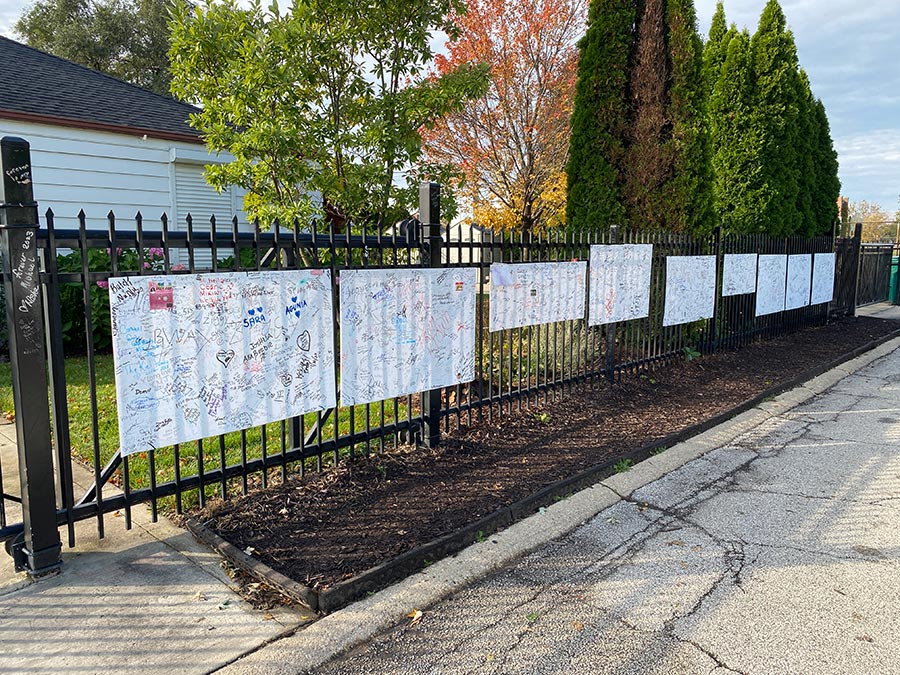
The Jacksons, yes. Jermaine, Randy, Jackie, Tito, Marlon, Michael and Janet. They grew up right here on 2300 Jackson Street. These kids cut their teeth on these sidewalks. As we stood there, gazing at the unassuming facade, it hit us. This was where the magic began.

We snapped photos like starstruck fans, because sometimes, being easily amused is one of life’s precious gifts. A few minutes was all we needed. Then it was time to go.

As we cruised along the freeway, a familiar skyline revealed itself outside the car window. How cool to spot Chicago from a distance! But it wasn’t on our itinerary. Russell and I have both been there before and didn’t want to waste precious time. On this trip, we just wanted to hit places we’ve not yet conquered.

A Jackson pilgrimage and a Chicago cameo. A satisfying diversion indeed. Now, get ready, Milwaukee. Here we come!