Continuing on our quest to experience Mt. Fuji through different foregrounds, we endured another half hour drive from the last destination to our final one for the day.
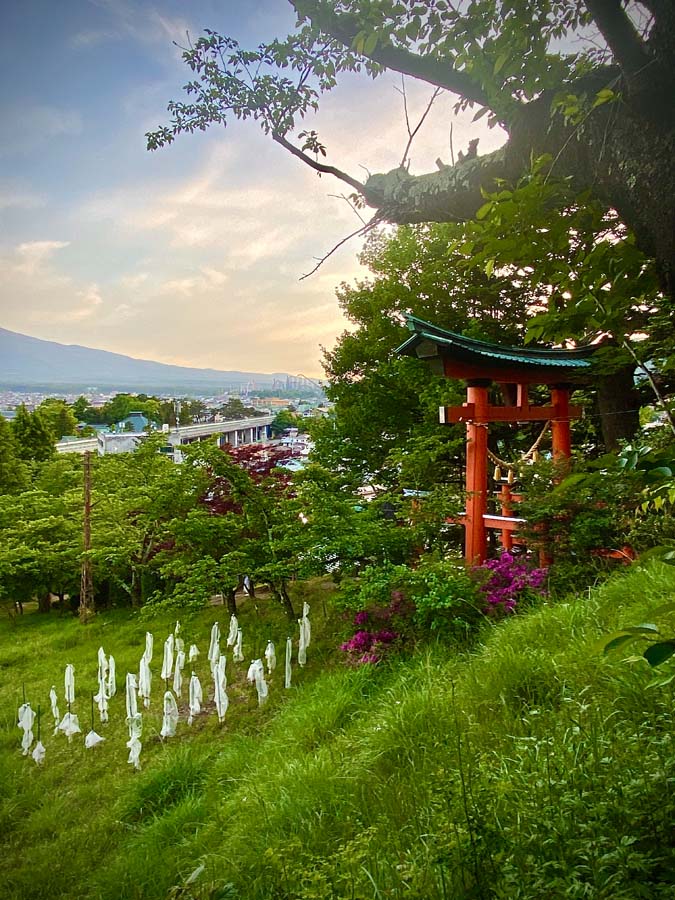
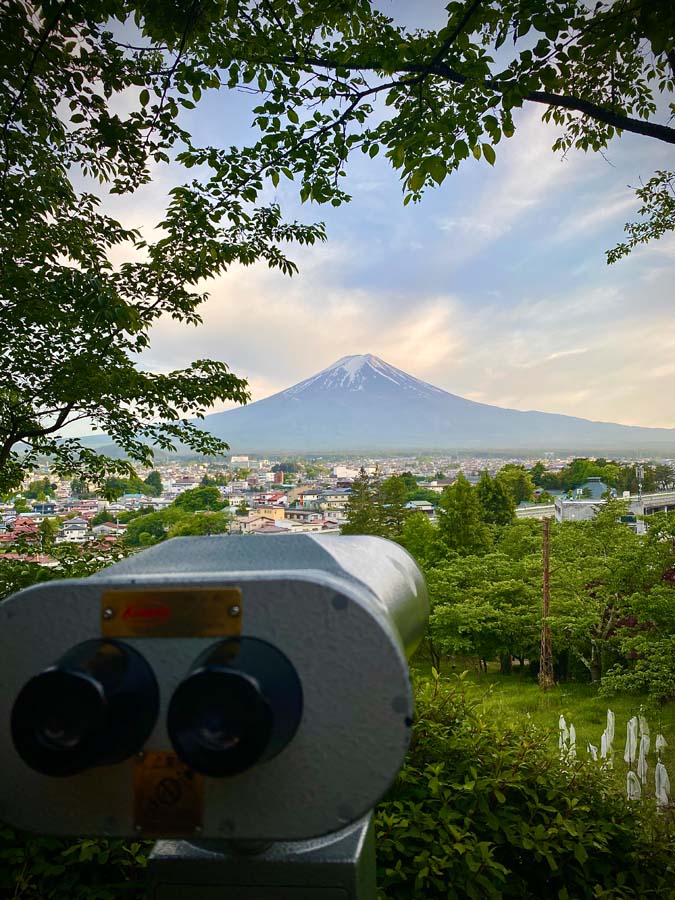
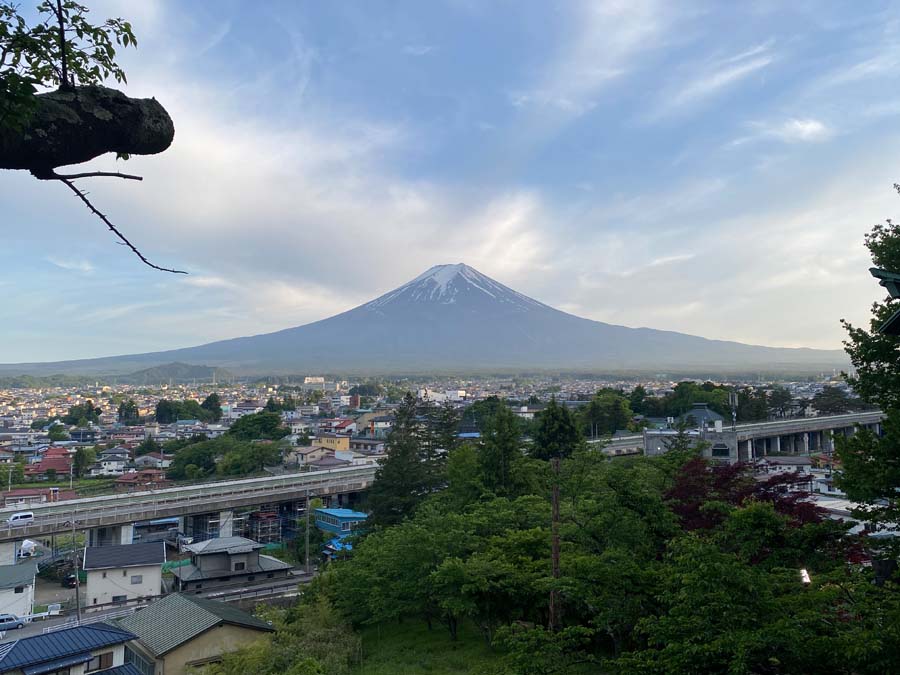
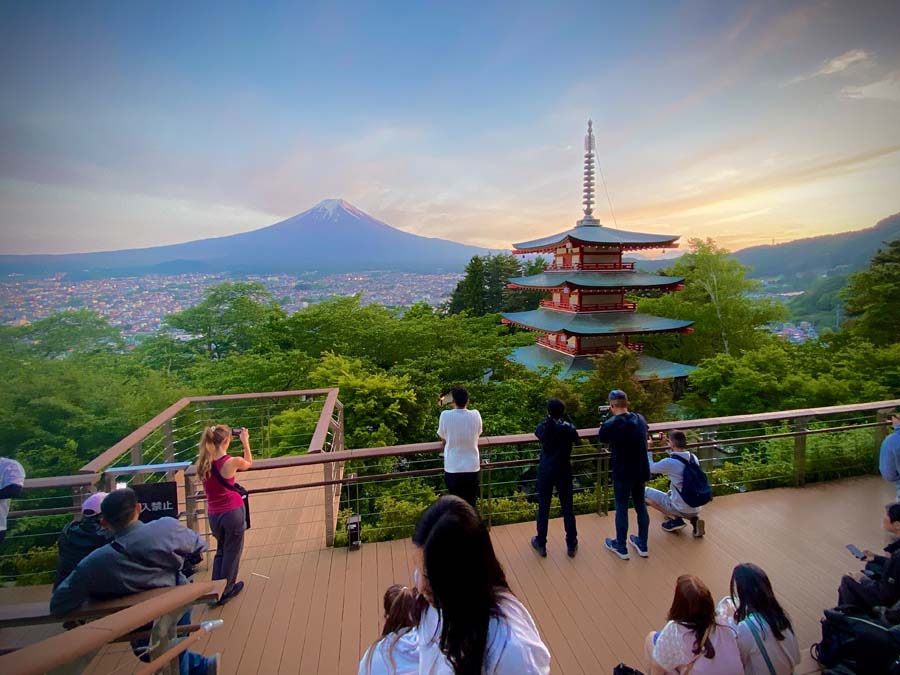
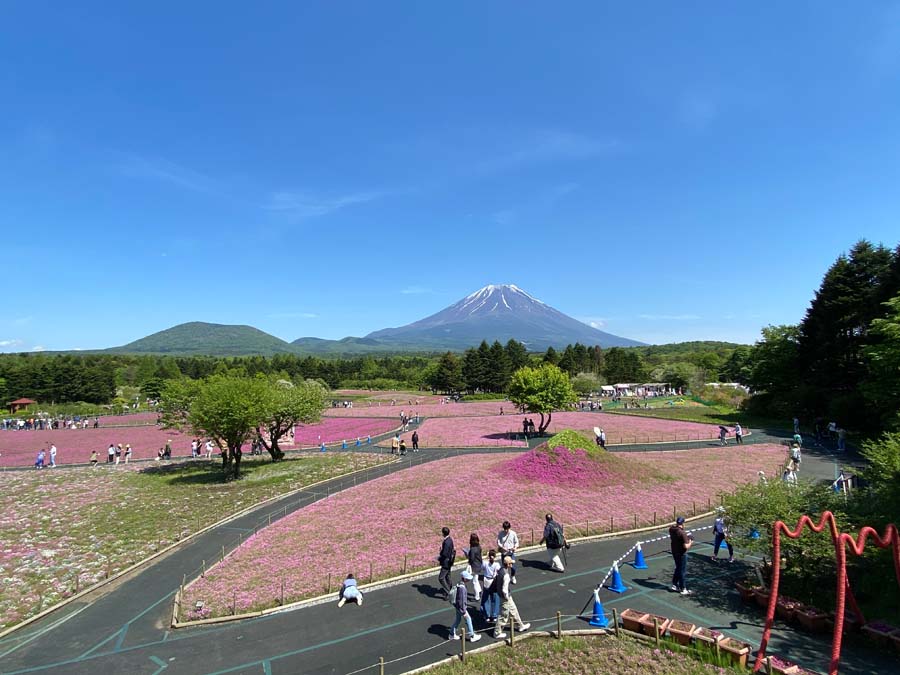
Seated within the picturesque town of Fujiyoshida, Arakurayama Sengen Park is a vividly hued oasis that offers an unbeatable view of majestic Mount Fuji. Maybe the best one yet.
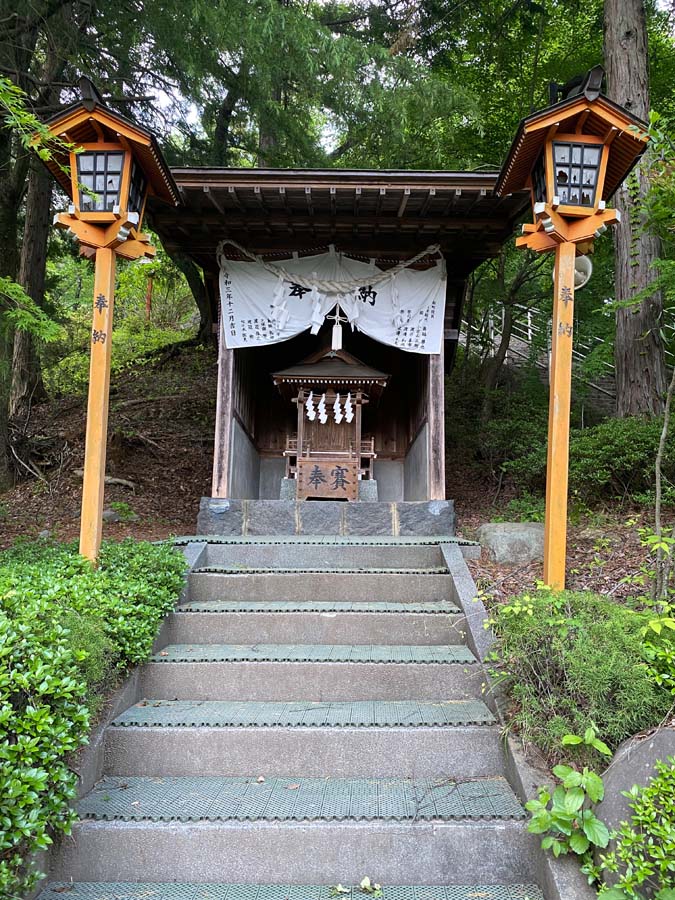
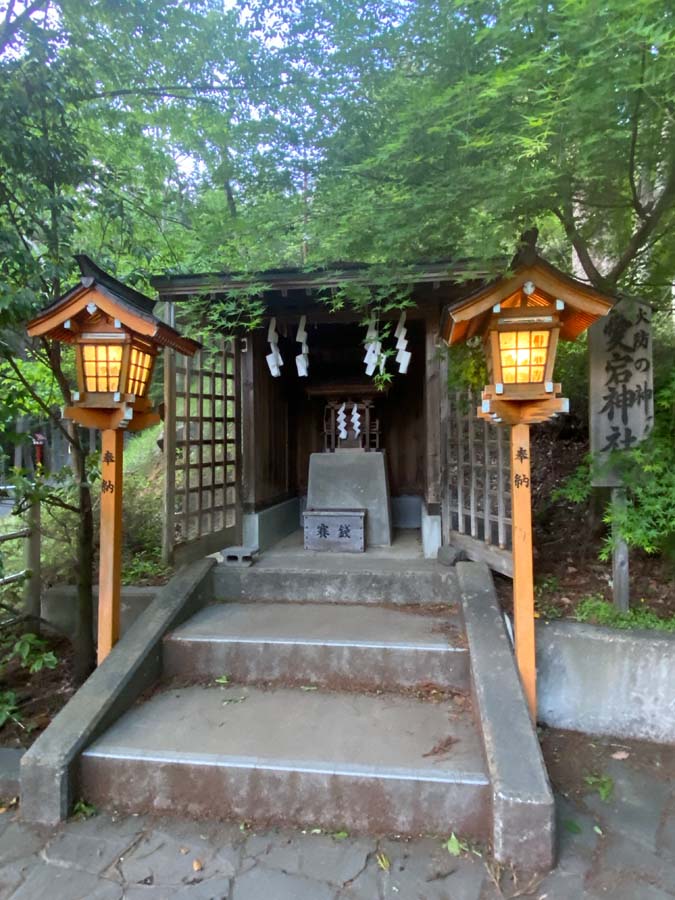
Arakurayama Sengen Park was established in October 1959. It covers approximately 4.3 hectares on the hillside of Mount Arakura. The park’s name derives from the nearby Arakura Sengen Shrine, which has deep historical and cultural significance.
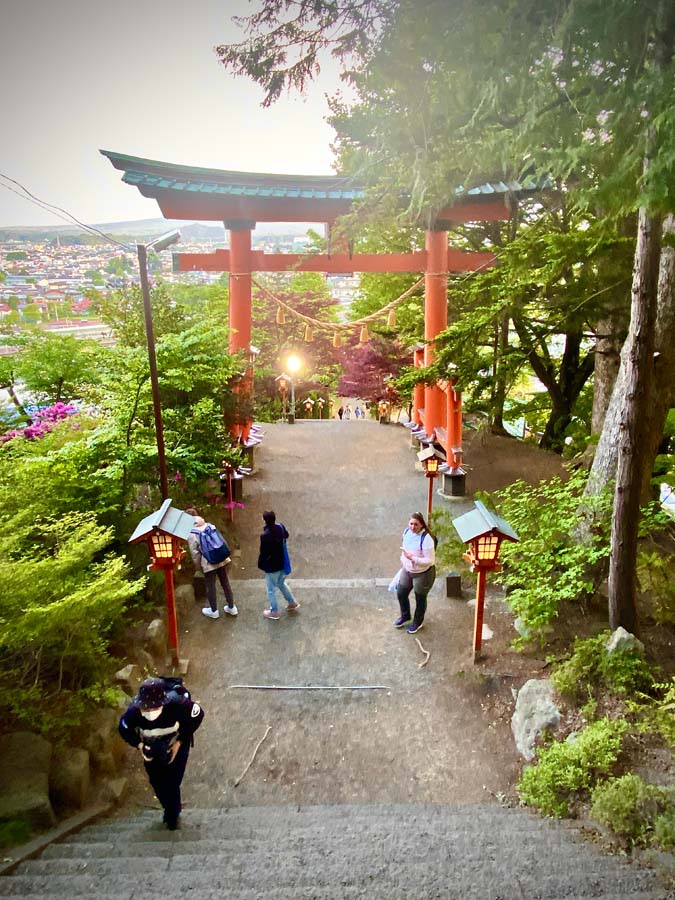
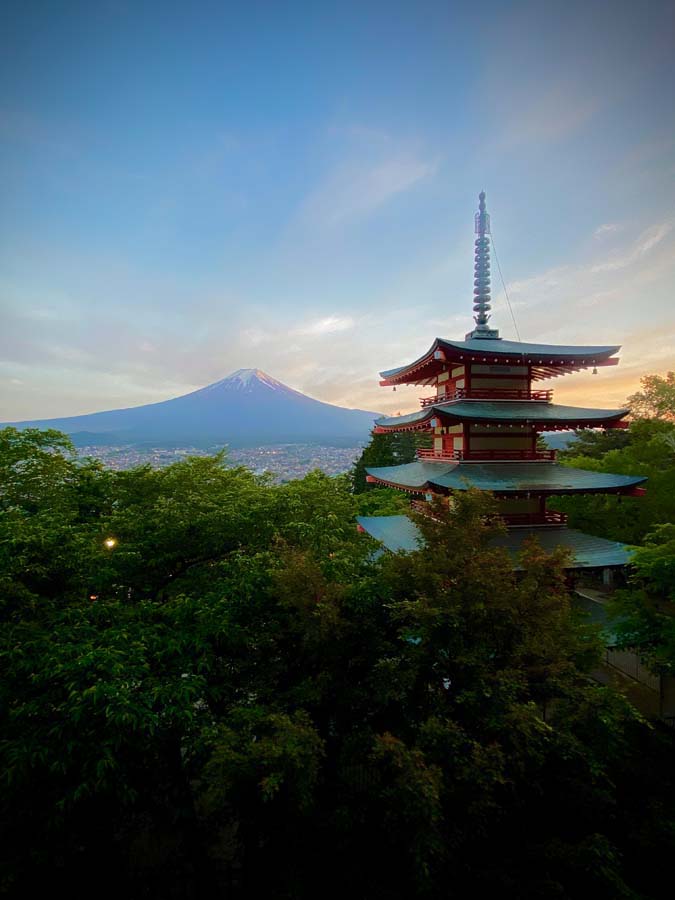
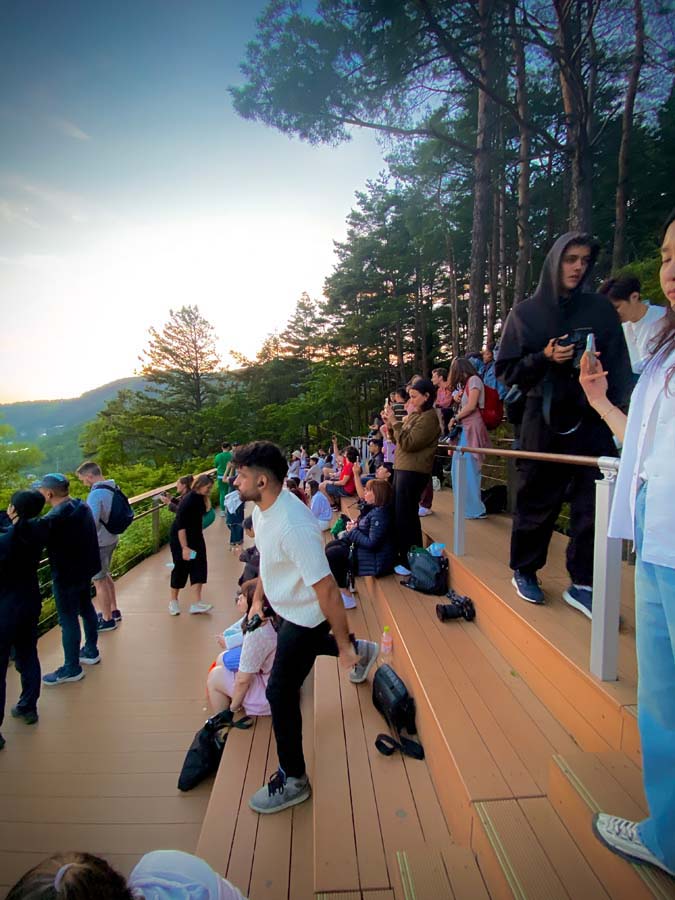
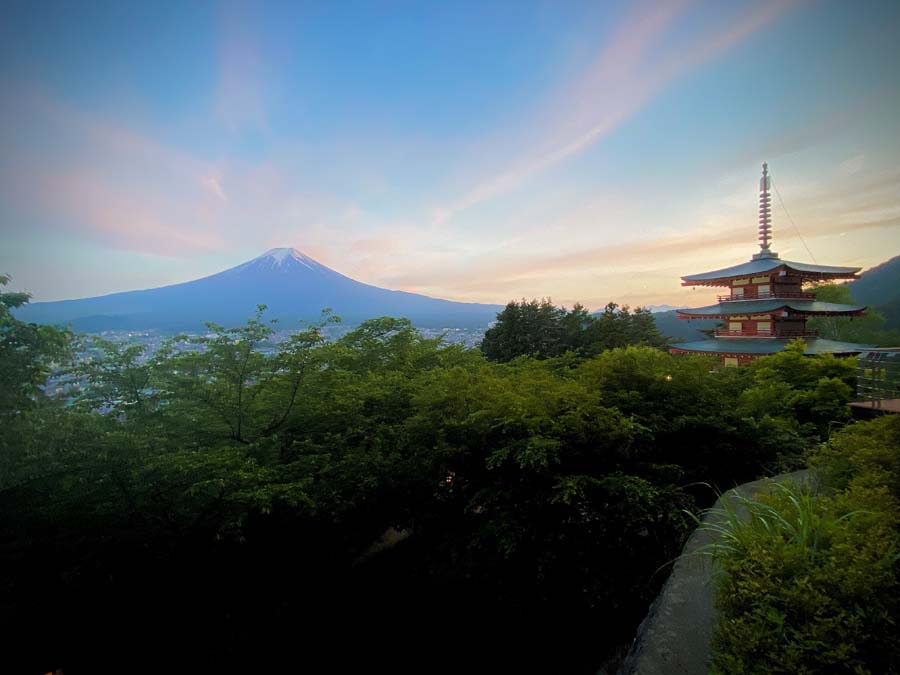
The iconic five-storied Chureito pagoda stands proudly at the heart of the park. Its vermilion hue contrasts beautifully against the lush greenery and the snow-capped peak of Mount Fuji. The pagoda was built as a peace memorial in 1963 nearly 400 steps up the mountain from the shrine’s main buildings. We were told to be at the top of the mountain during sunset. It is a beast to climb but if you can manage, the reward is worth the effort.
The park’s elevated location provides an unrivaled panorama of Mount Fuji. Whether it’s bathed in sunlight or shrouded in mist, the sight of Japan’s highest peak is awe-inspiring.
Arakurayama Sengen Park is more than just a scenic spot, it’s a place where nature, history, and beauty converge. Embrace the serenity and watch the pagoda with Mt. Fuji in the background weave its magic.
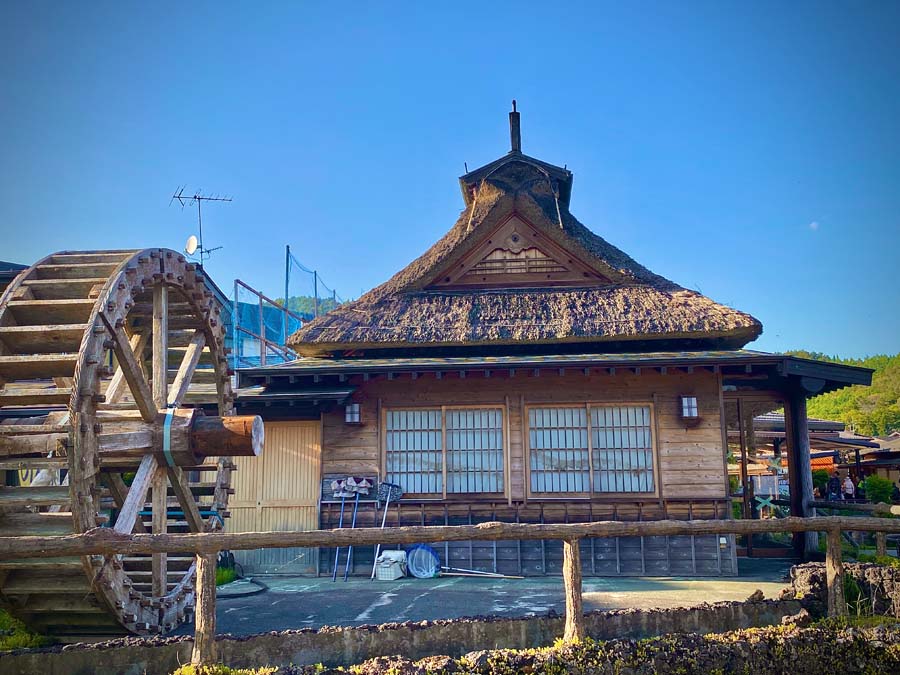
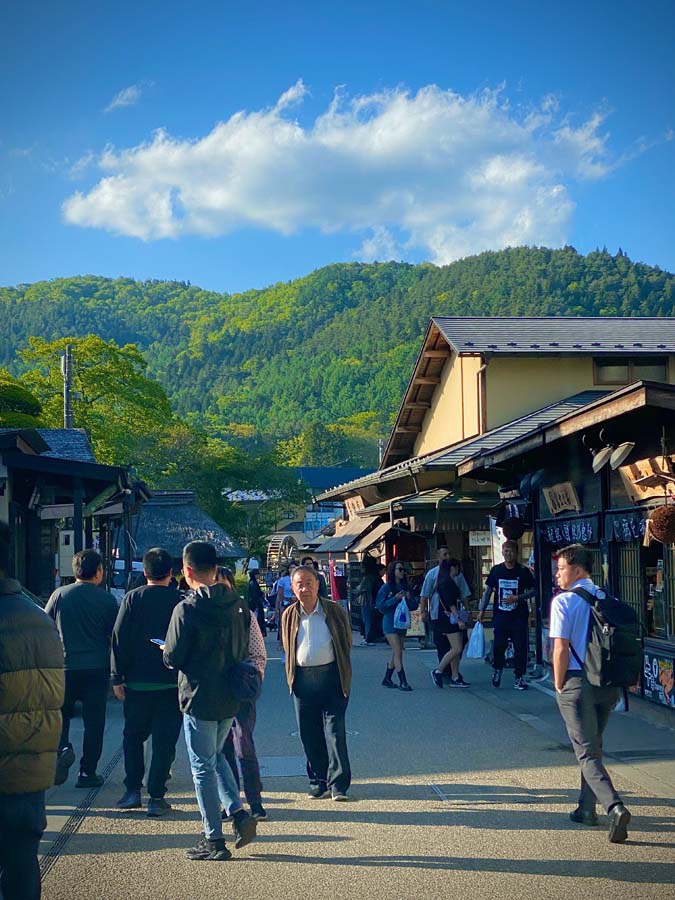
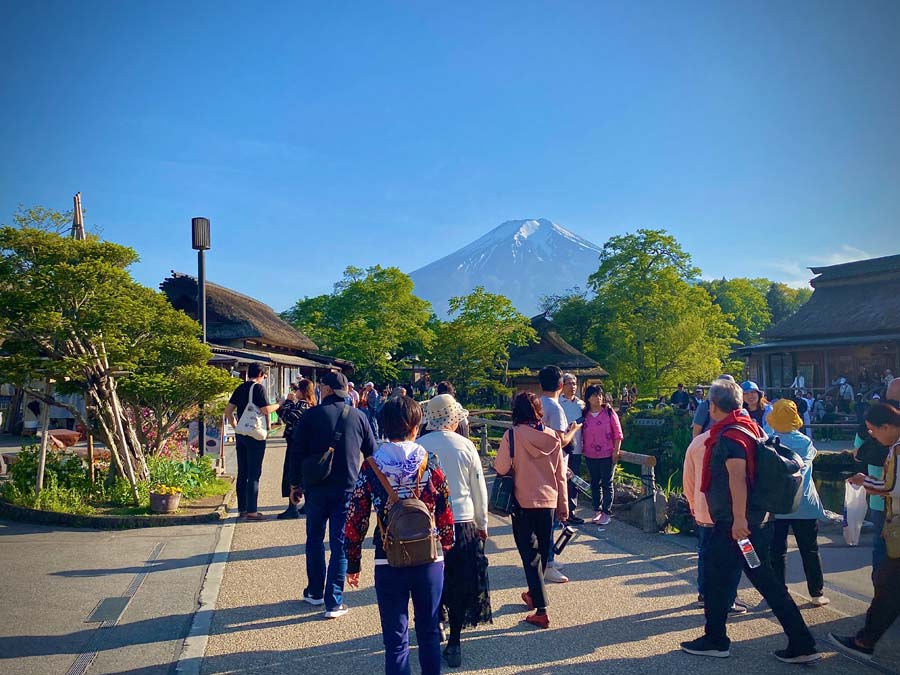
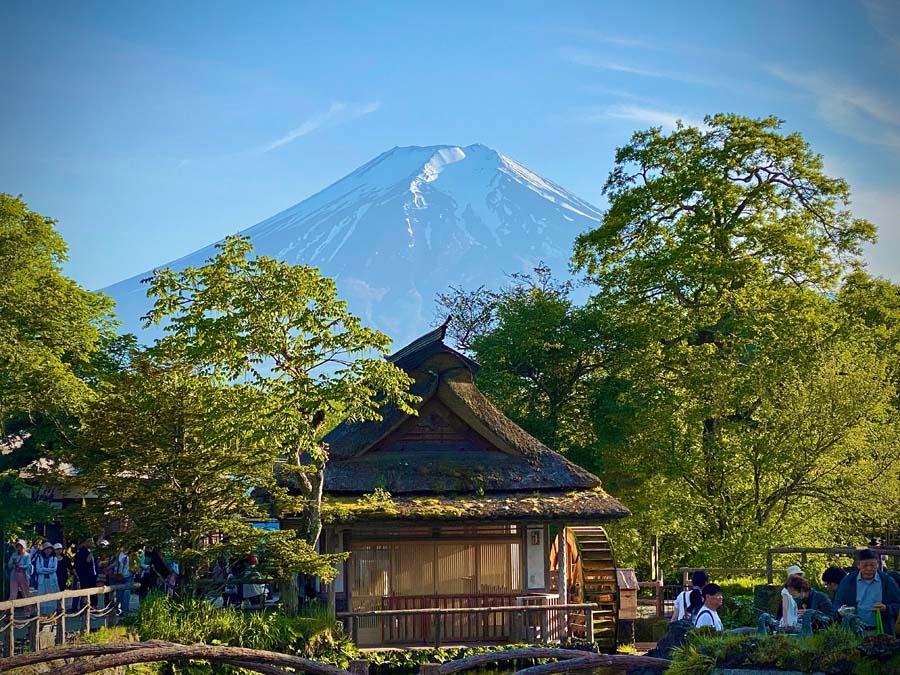
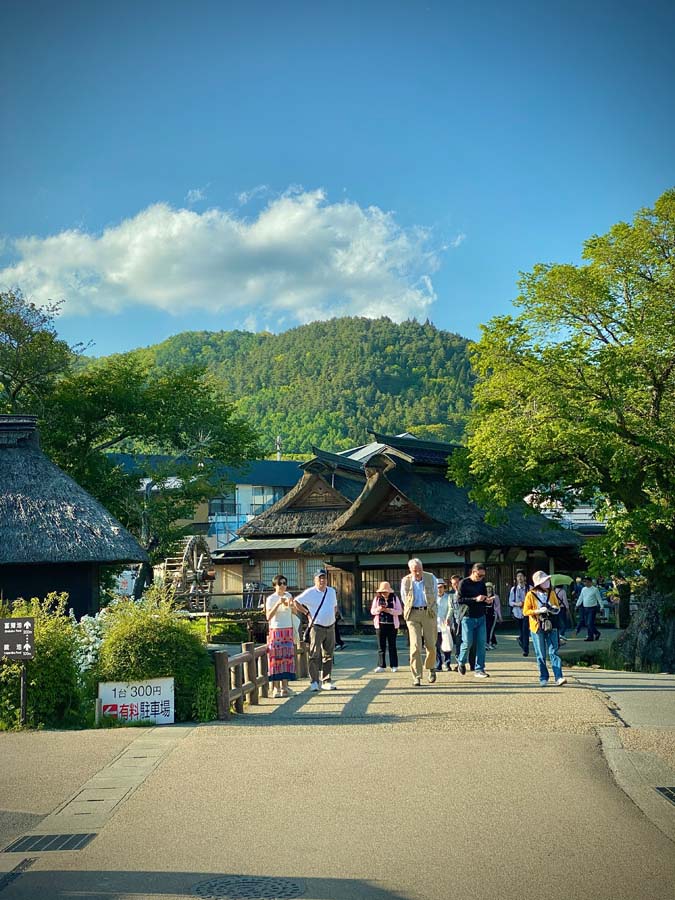
About a half hour drive southeast of Oishi Park is the picturesque Yamanashi Prefecture, Oshino Hakkai. A tranquil oasis that beckons travelers seeking a taste of Japan’s natural beauty. Embark on a quick virtual journey to this enchanting spot with me, will you?
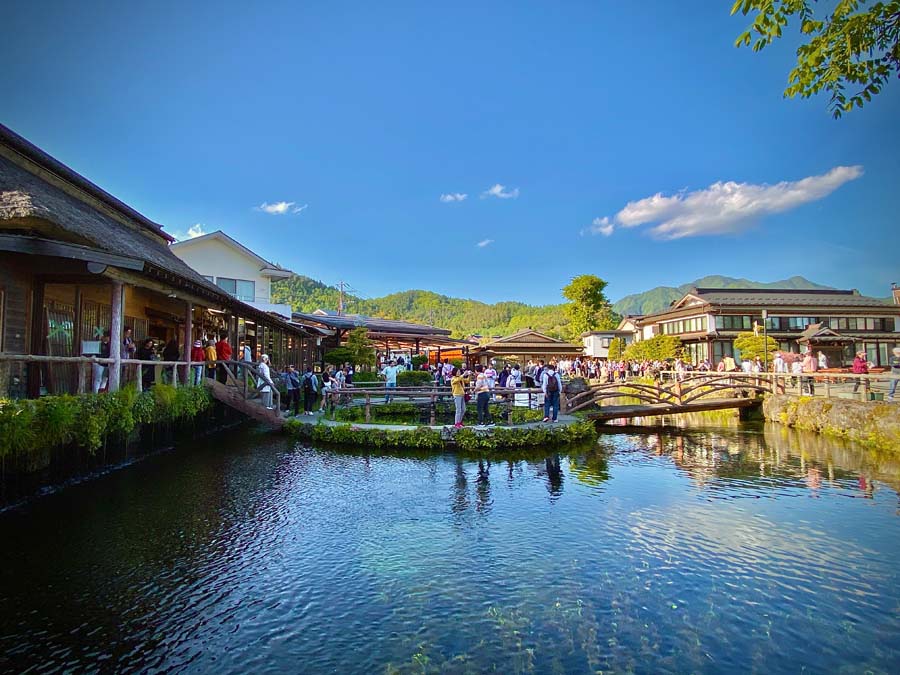
Oshino Hakkai, which translates to Eight Seas in Oshino, derives its name from the eight pristine springs that bubble forth from the ground. These springs are fed by the aquifer water flowing down from majestic Mt. Fuji.
The number eight holds significance in Buddhism, representing completeness and balance. Walking all the way around these eight ponds was once a sacred ritual for pilgrims visiting Mt. Fuji.
Designated as a Natural Monument by the Japanese government in 1934, Oshino Hakkai has preserved its pristine beauty for generations. It is part of the Mount Fuji World Heritage Site, recognized for its cultural and natural importance.
Oshino Hakkai invites you to slow down, breathe in the fresh air and marvel at nature’s wonders. This hidden gem near Mt. Fuji promised an unforgettable experience – and it delivered!
As we moved on from the English Garden, we ended up on the northern shore of Lake Kawaguchi in Japan’s Yamanashi Prefecture. There it was, Oishi Park (aka Oishi Kogen), it’s a slice of floral paradise. Our delightful journey continues through this picturesque spot.
As we stepped into Oishi Park, we were greeted by Flower Street, a 350-meter-long promenade lined with vibrant blooms. The air was perfumed with the sweet scent of lavender and the bees added a lively soundtrack to my walk.
At the Oishi Park Cafe, I indulged in a lavender & cherry blossom ice cream treat. My first time tasting a bit of this floral magic!
The clouds parted and there it was again: Mount Fuji, its snow-capped peak flaunted against the calm waters of Lake Kawaguchi.
I walked out of the cafe and sat on a rock by the lake to soak in the mountain view as I finished my ice cream.
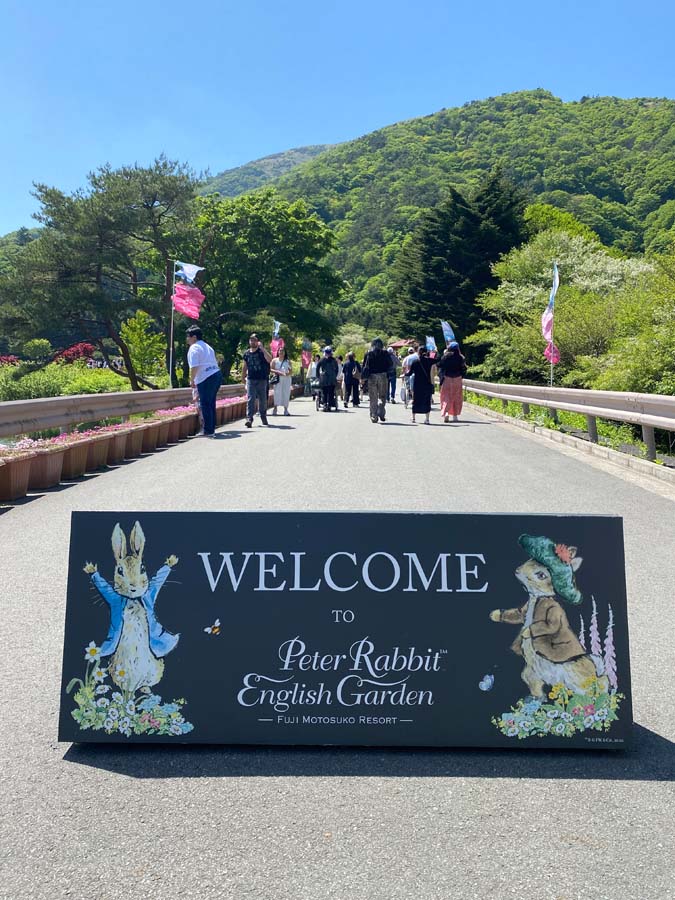
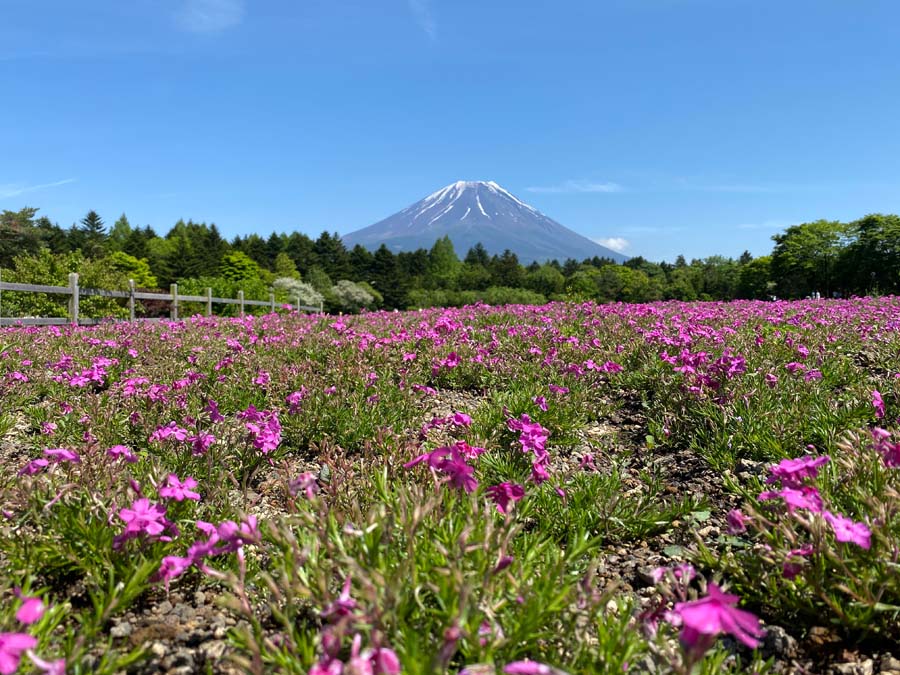
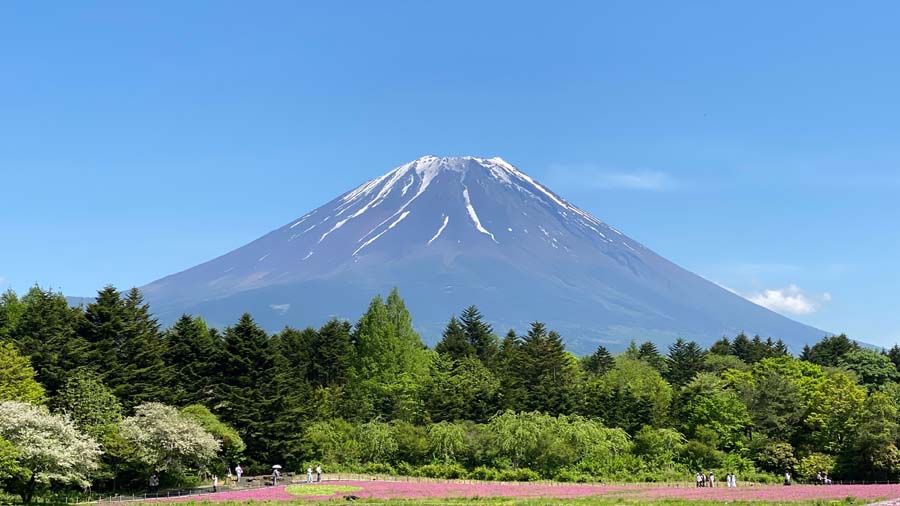
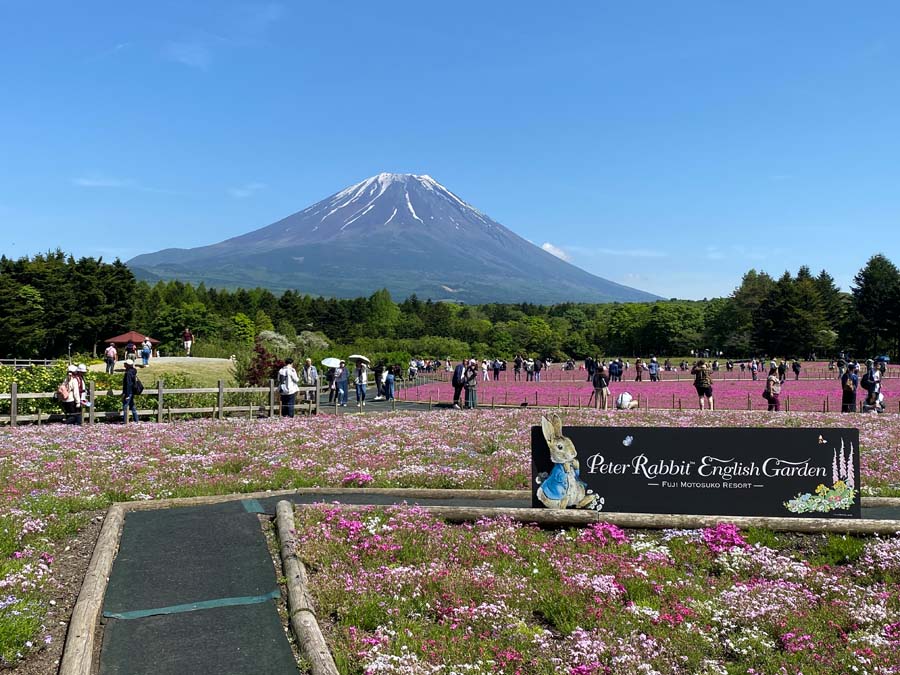
And so the day we’re scheduled to see Mt. Fuji had begun. It was a 2-hour drive from Tokyo to our first stop – the Peter Rabbit English Garden. And here we are!
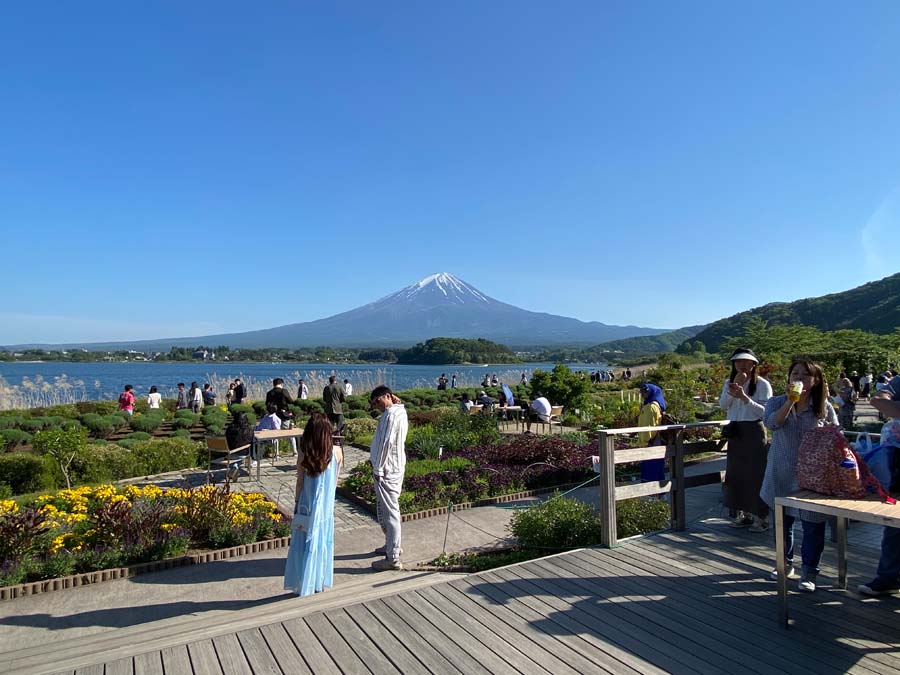
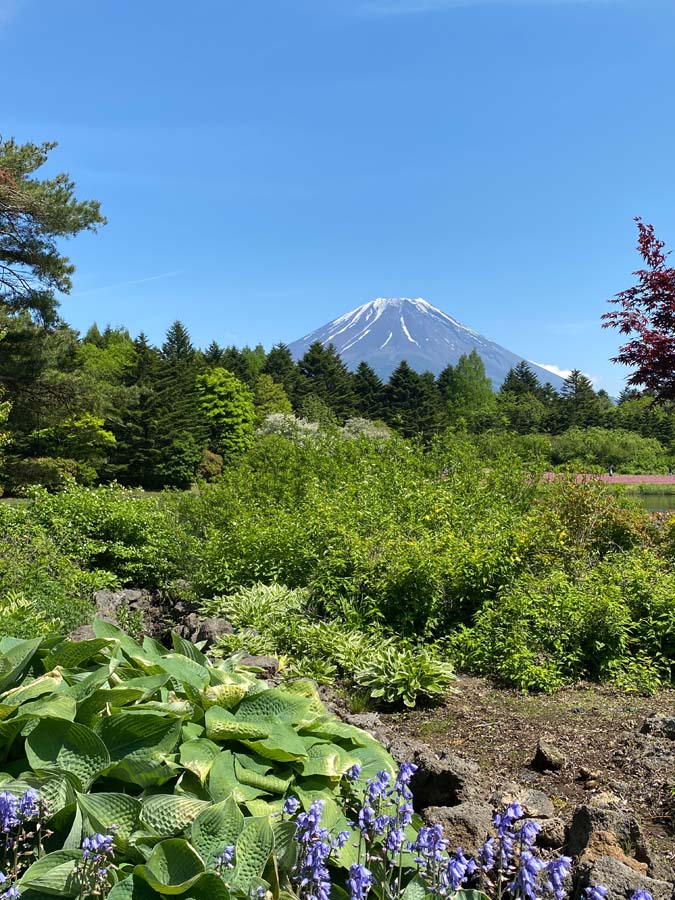
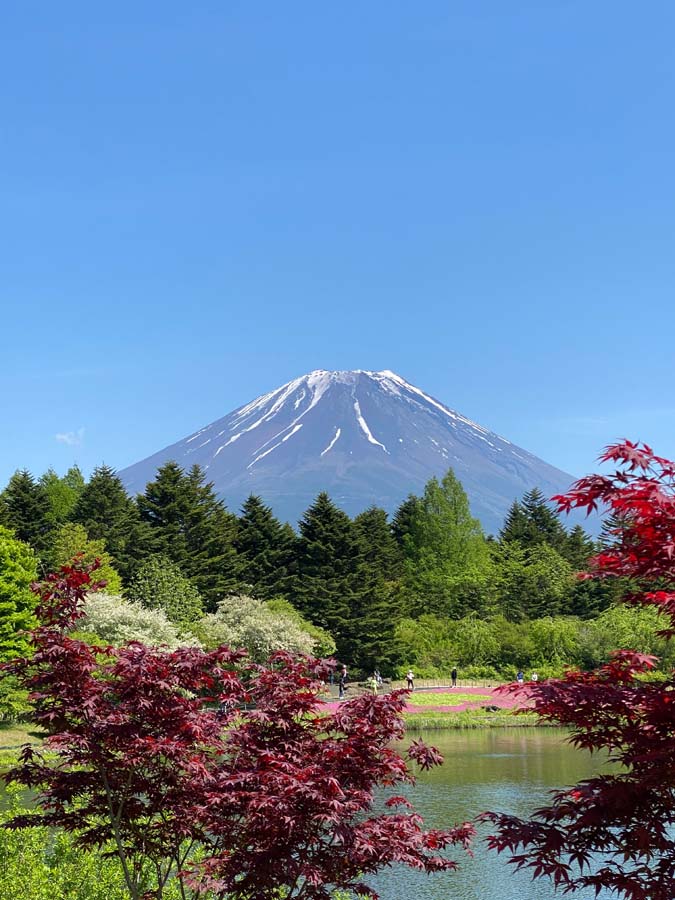
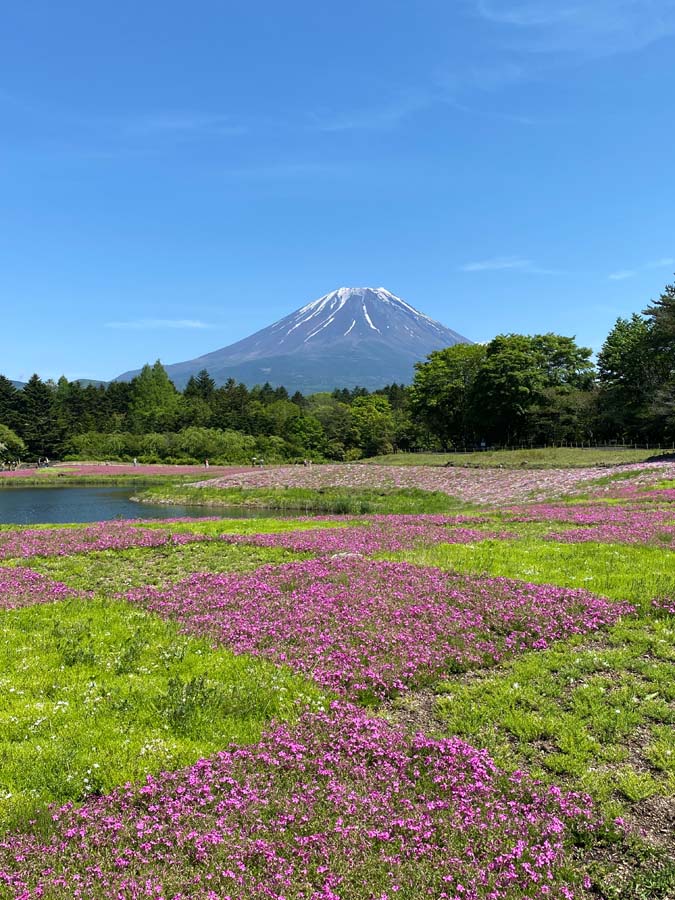
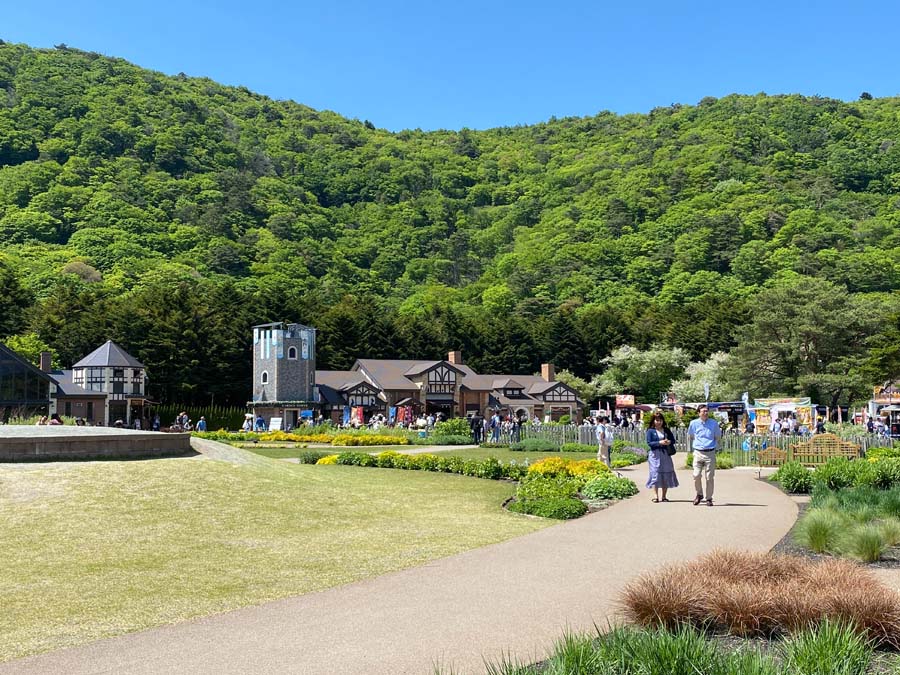
Wow! I learned a few things about this gorgeous piece of land. It was designed by British garden designer Mark Chapman. It’s an English-style garden that boasts stunning views of Mount Fuji and features approximately 300 species of flowers and trees.
From spring to early autumn, one can enjoy the delightful coexistence of these botanical wonders alongside beloved characters like Peter Rabbit. We took a leisurely stroll through this authentic garden and immersed ourselves in its serene beauty.
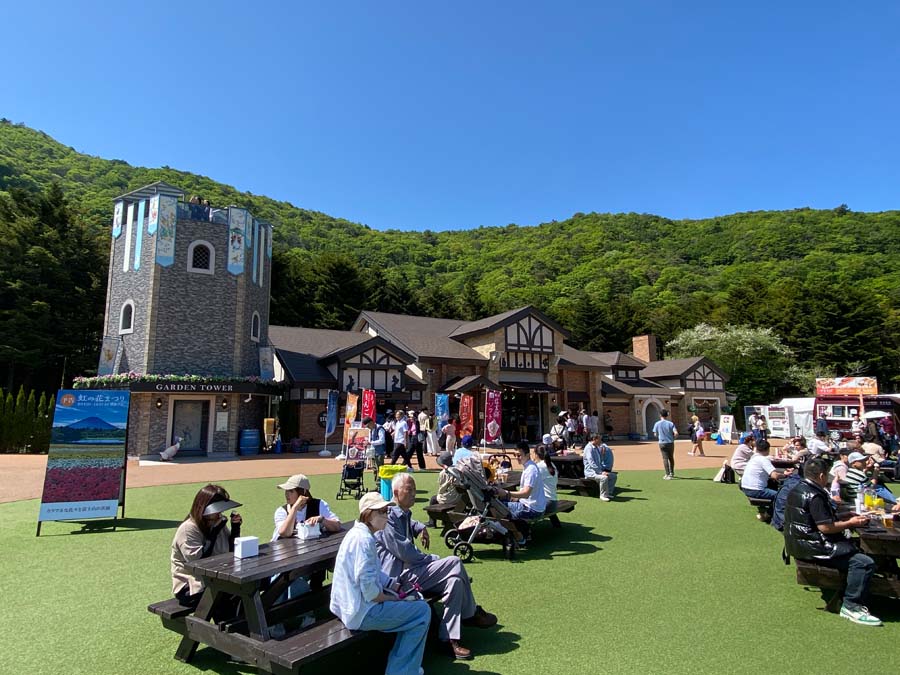
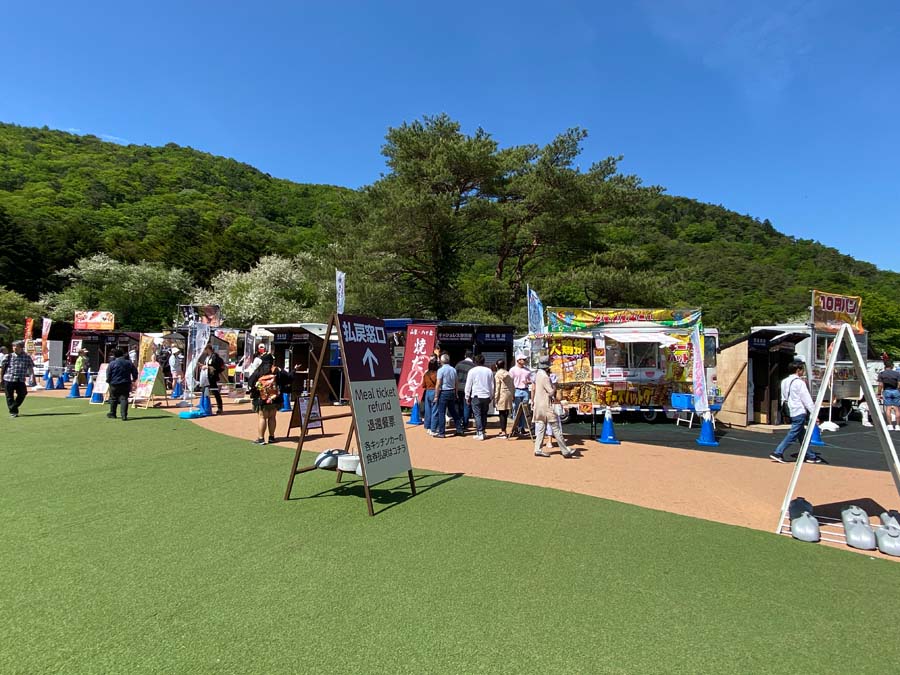
The garden’s ambiance and British charm was evident at the Cafe. There were imaginative menu items inspired by the world of Peter Rabbit. However, we opted to dine outside with several food stands offering a wider choice of lunch items.
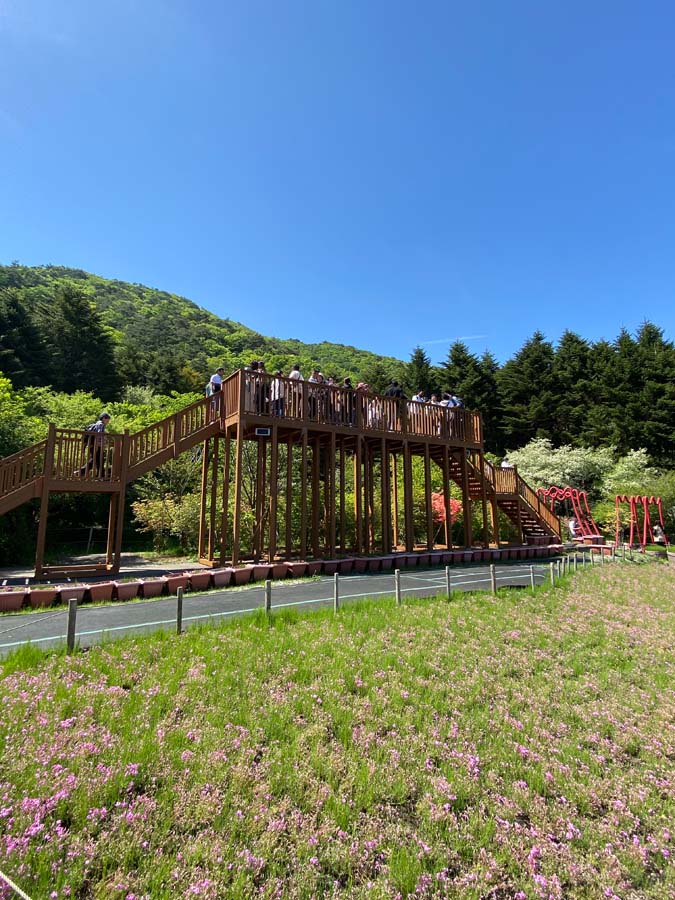
There’s also an 8-meter-high observation tower you can climb for breathtaking views of the garden and the mountain.
Selfie and photo op to your heart’s content as you take in the picturesque landscape.
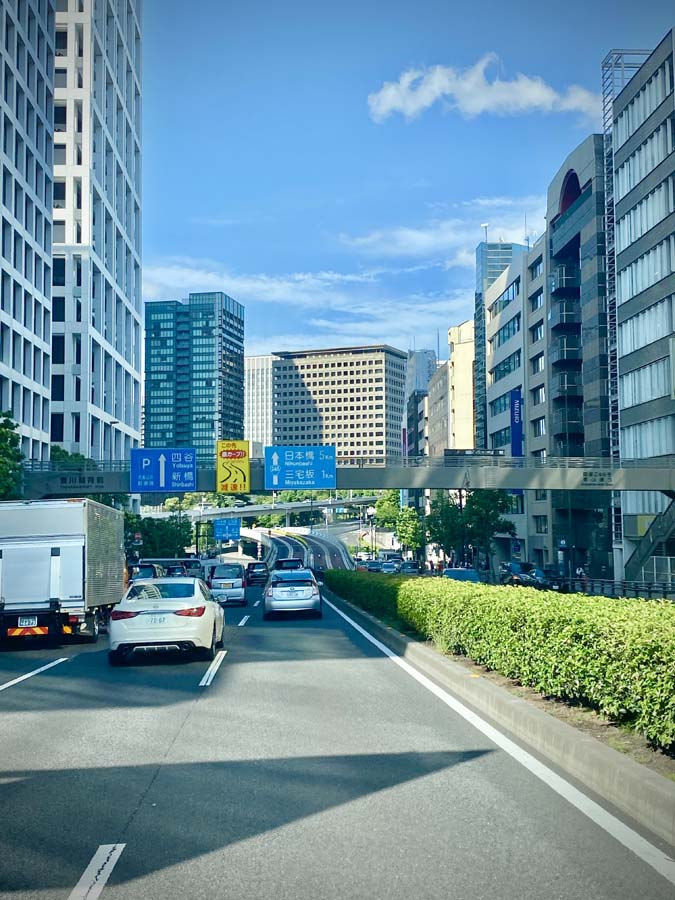
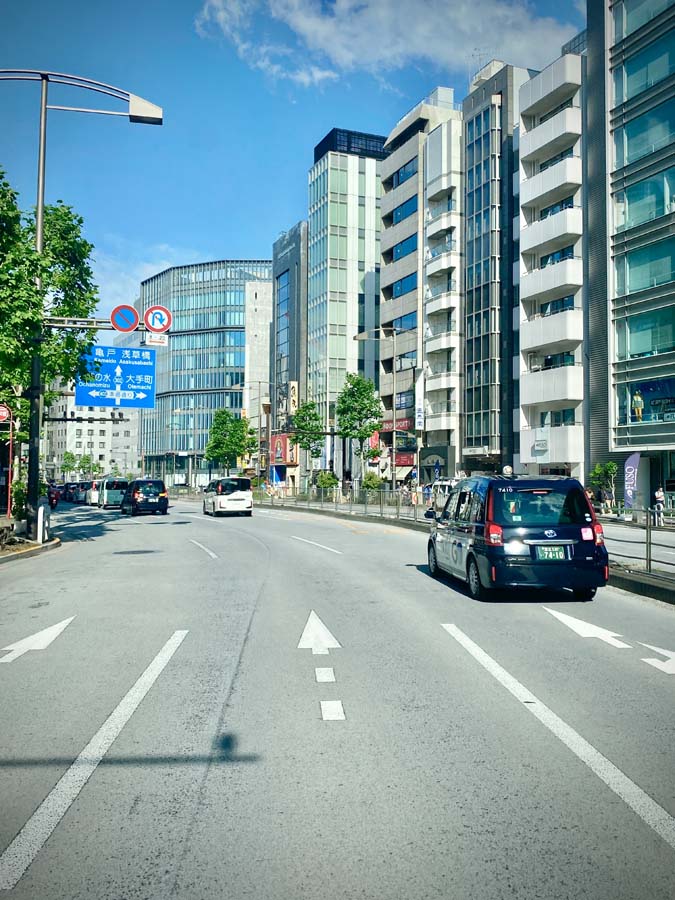
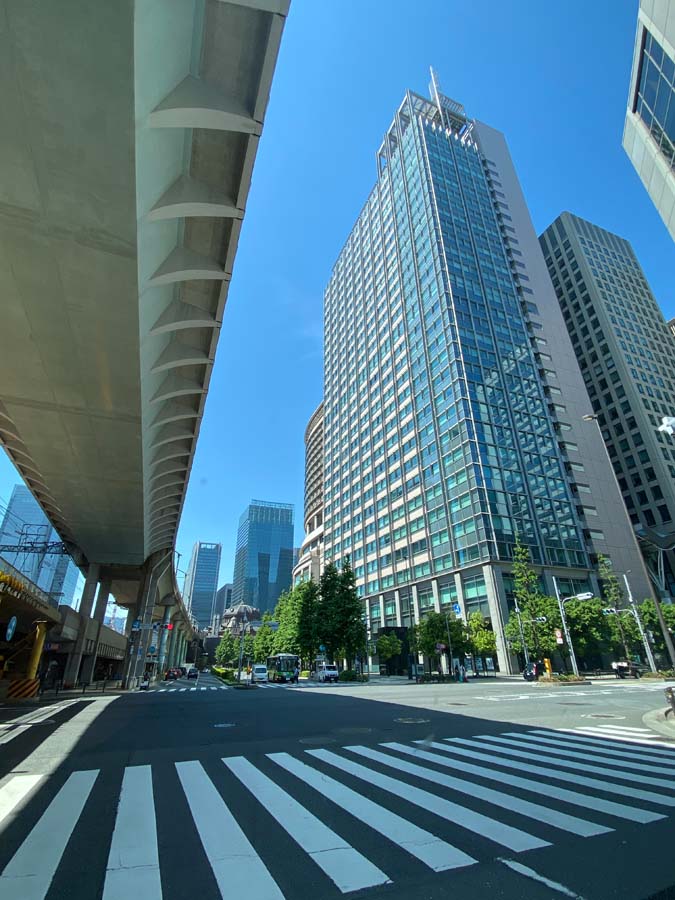
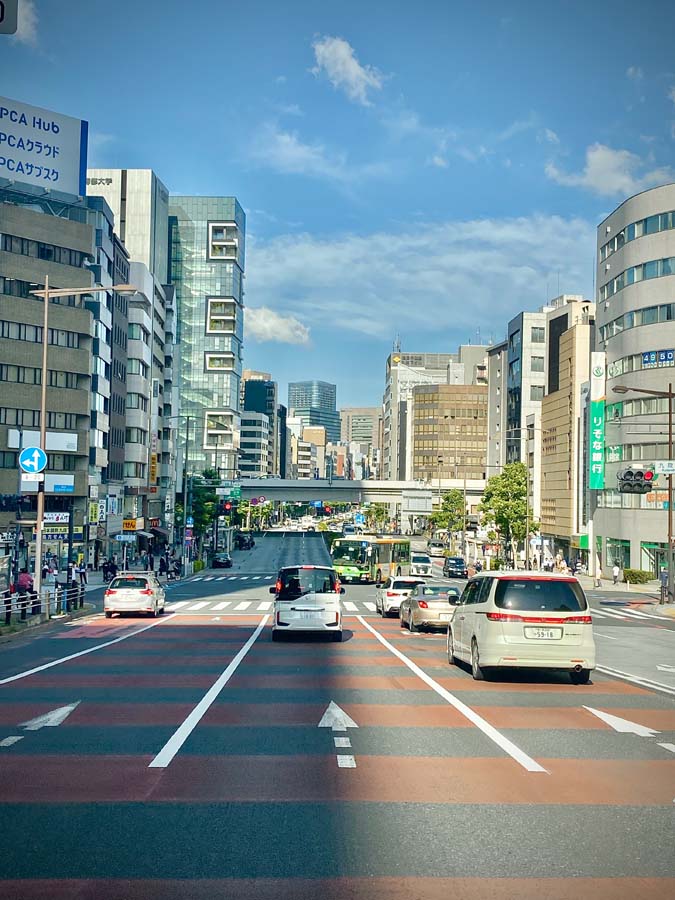
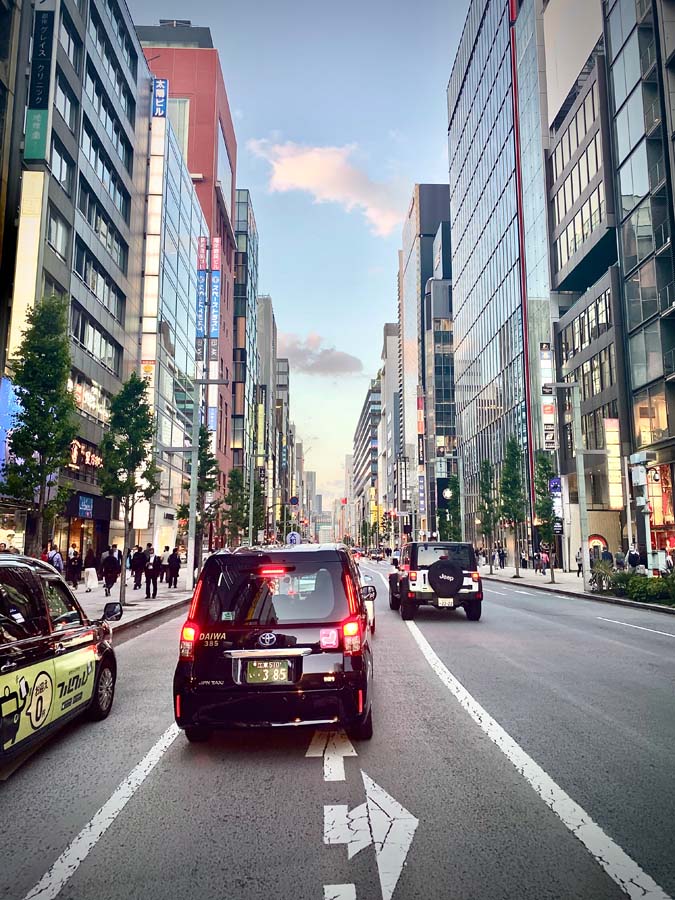
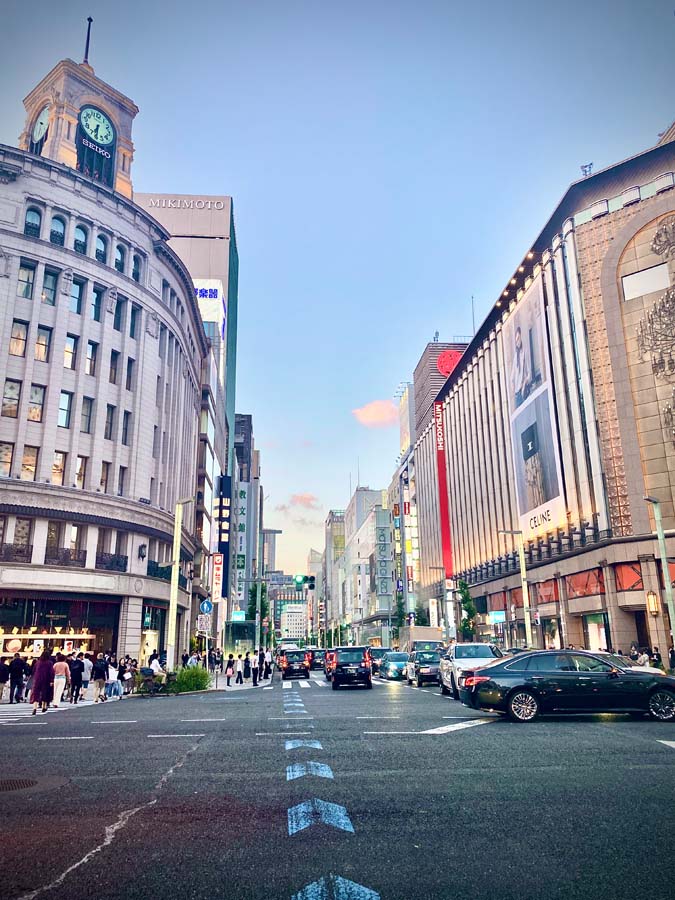
The bustling capital of Japan, a city that never sleeps. The towering skyscrapers and vibrant neighborhoods made driving in its streets a scenic excursion. Our family’s chance to explore a little bit of Tokyo by car, weaving through its diverse districts, was a cool experience, for sure.
From our hotel in Minato City, Asakasa, we drove away. But first things first. Ramen. Well, because… Japan.
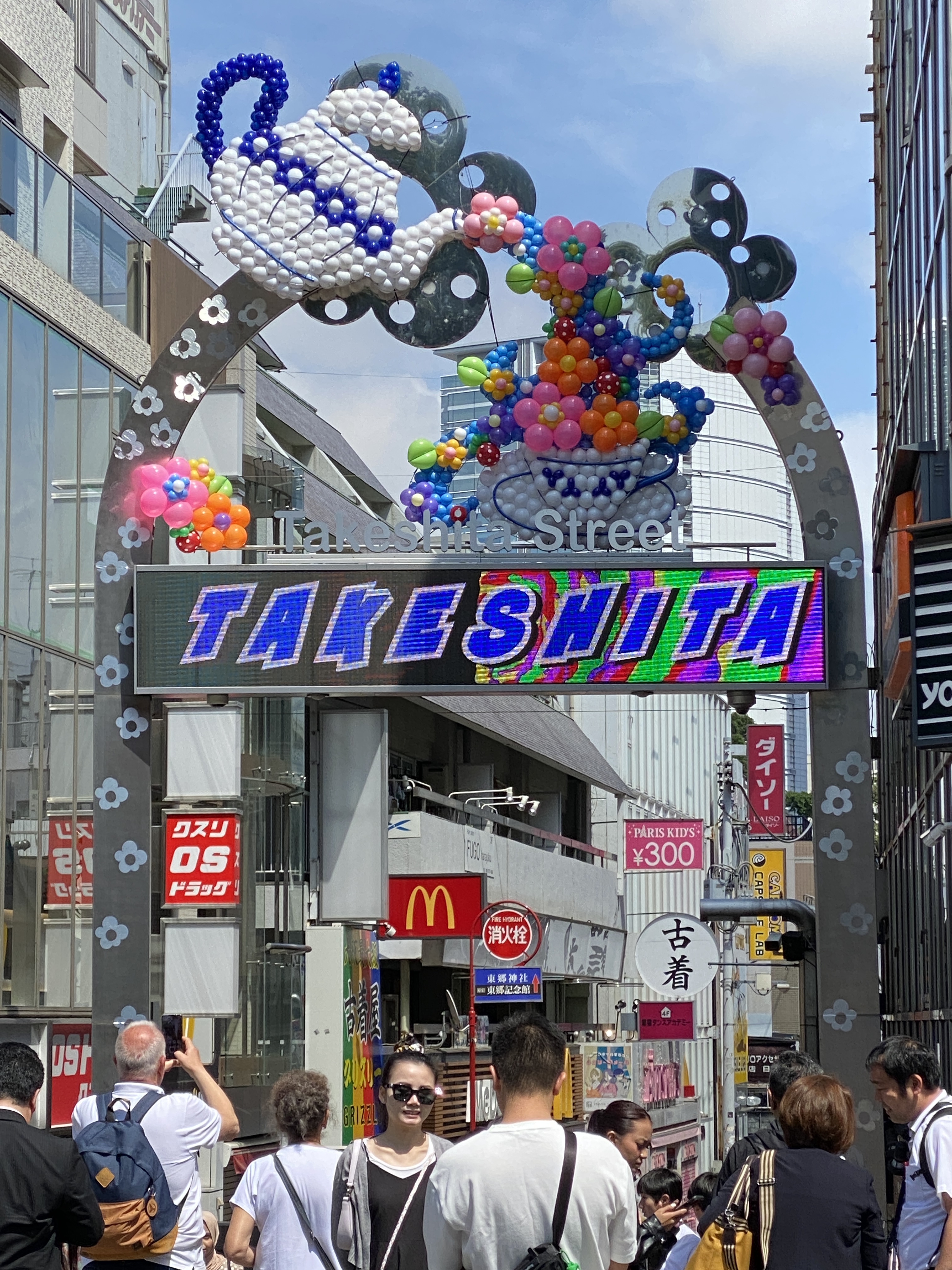
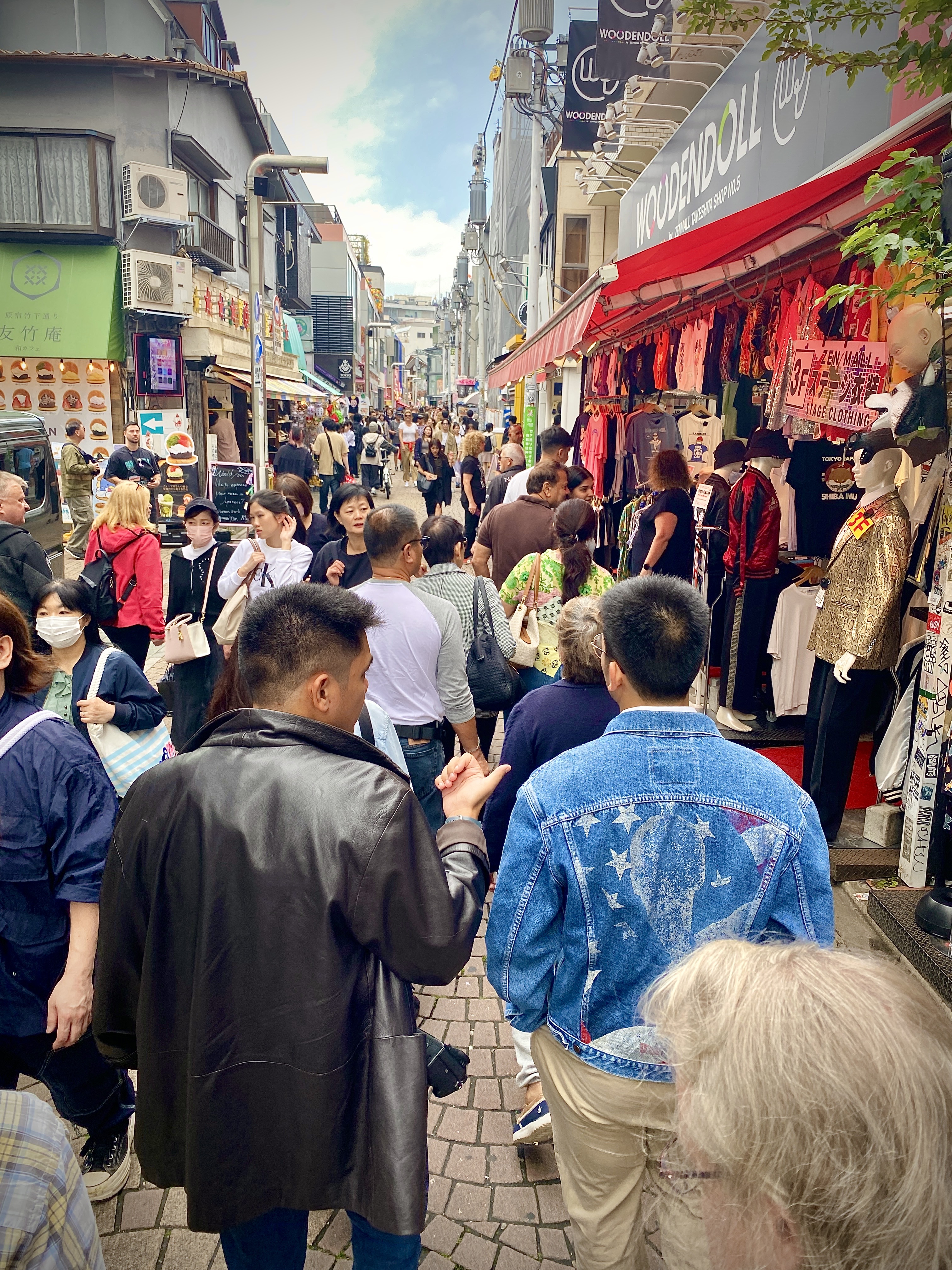
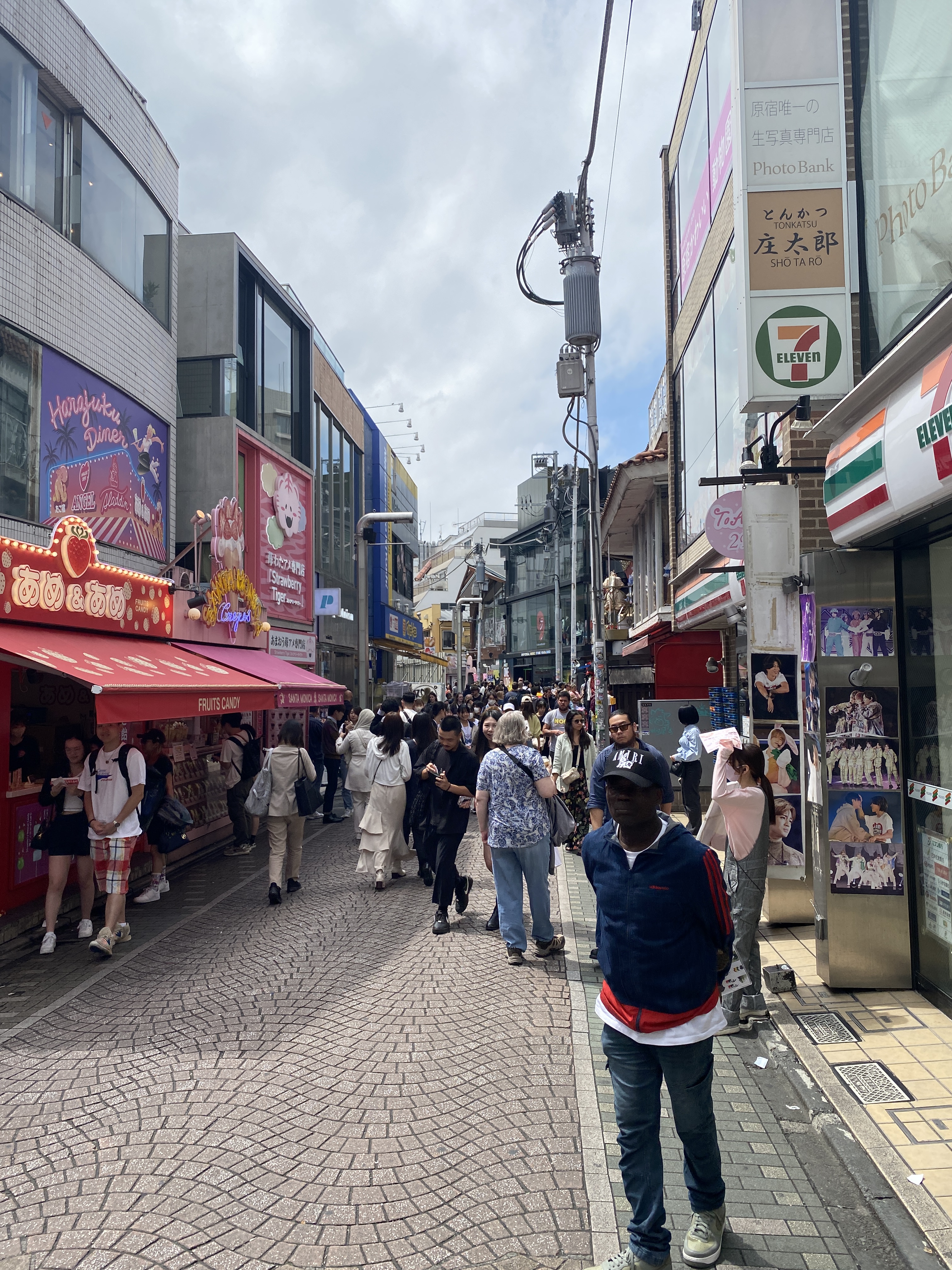
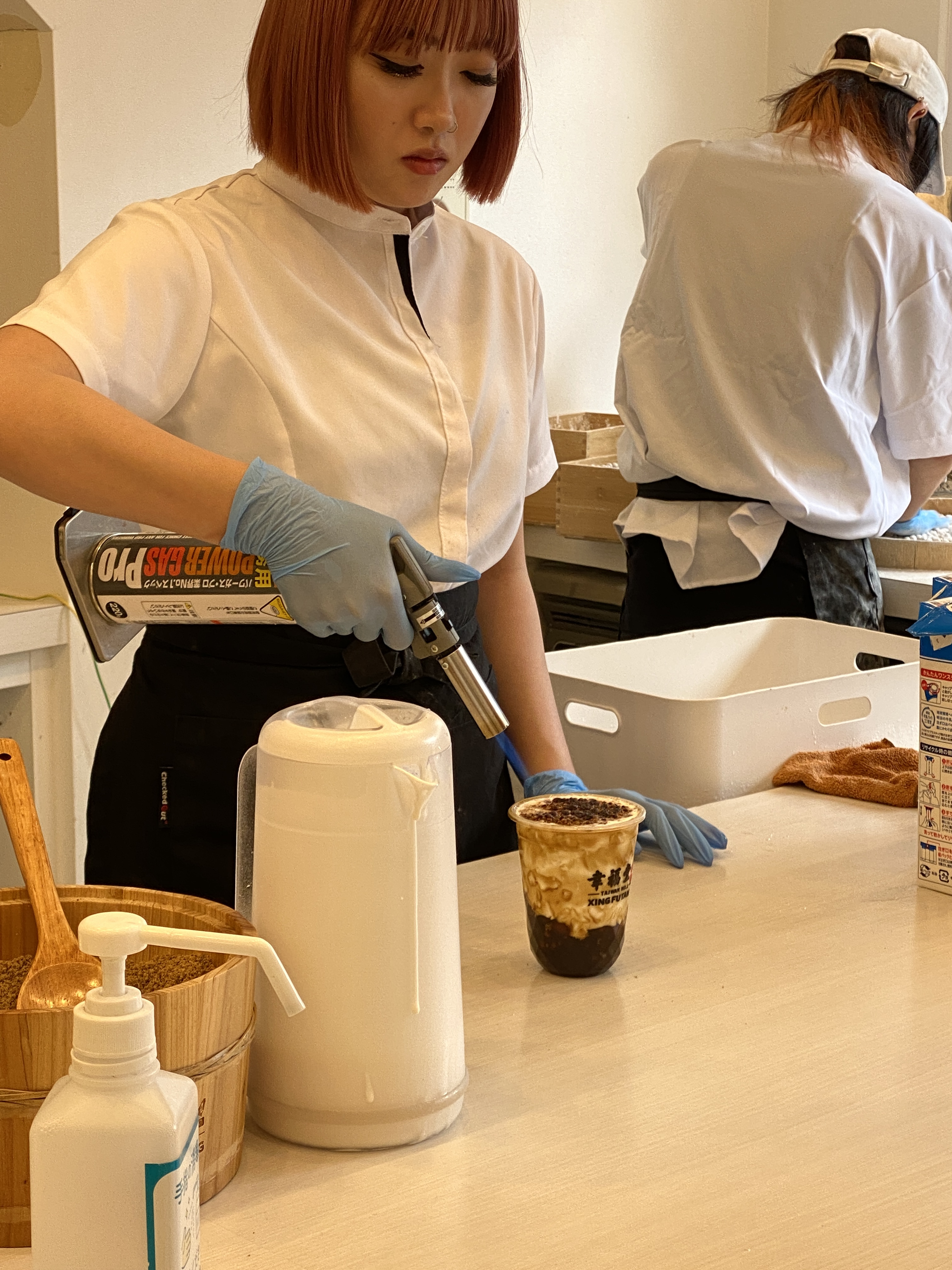
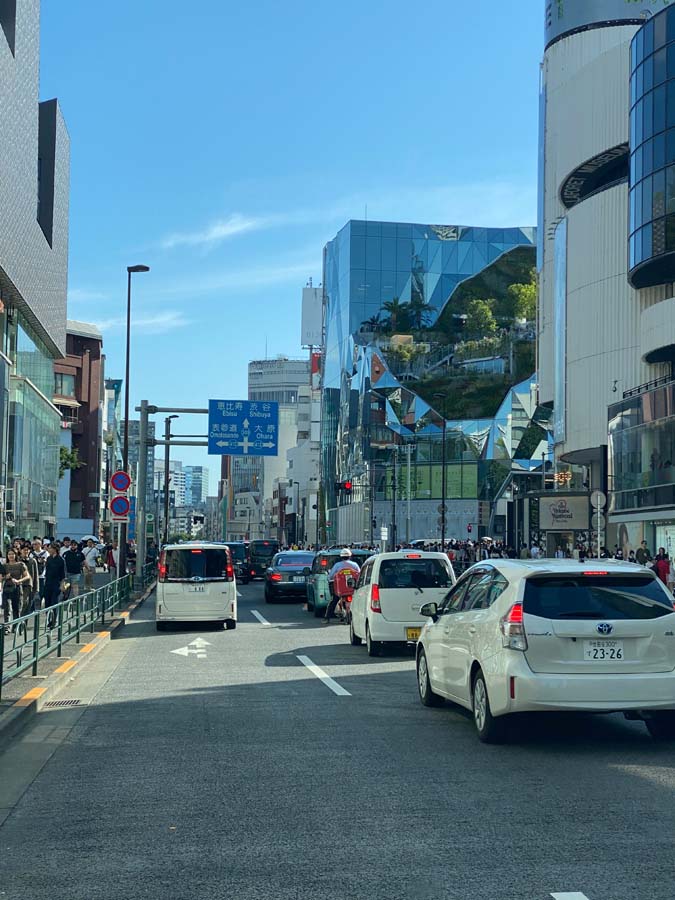
Now fat and happy, we head on to Shibuya City. We spent the morning at Meiji Jingu then drove over to Harajuku, a fashionista’s paradise. Takeshita Street is a kaleidoscope of colors, with shops selling everything from Lolita dresses to oversized sneakers. We parked our car and wandered around, spotting cosplayers and eccentric street style while sipping on our foofoo matcha concoction. Across the street is the Harajuku Station, with the Meiji Shrine forest in the background.
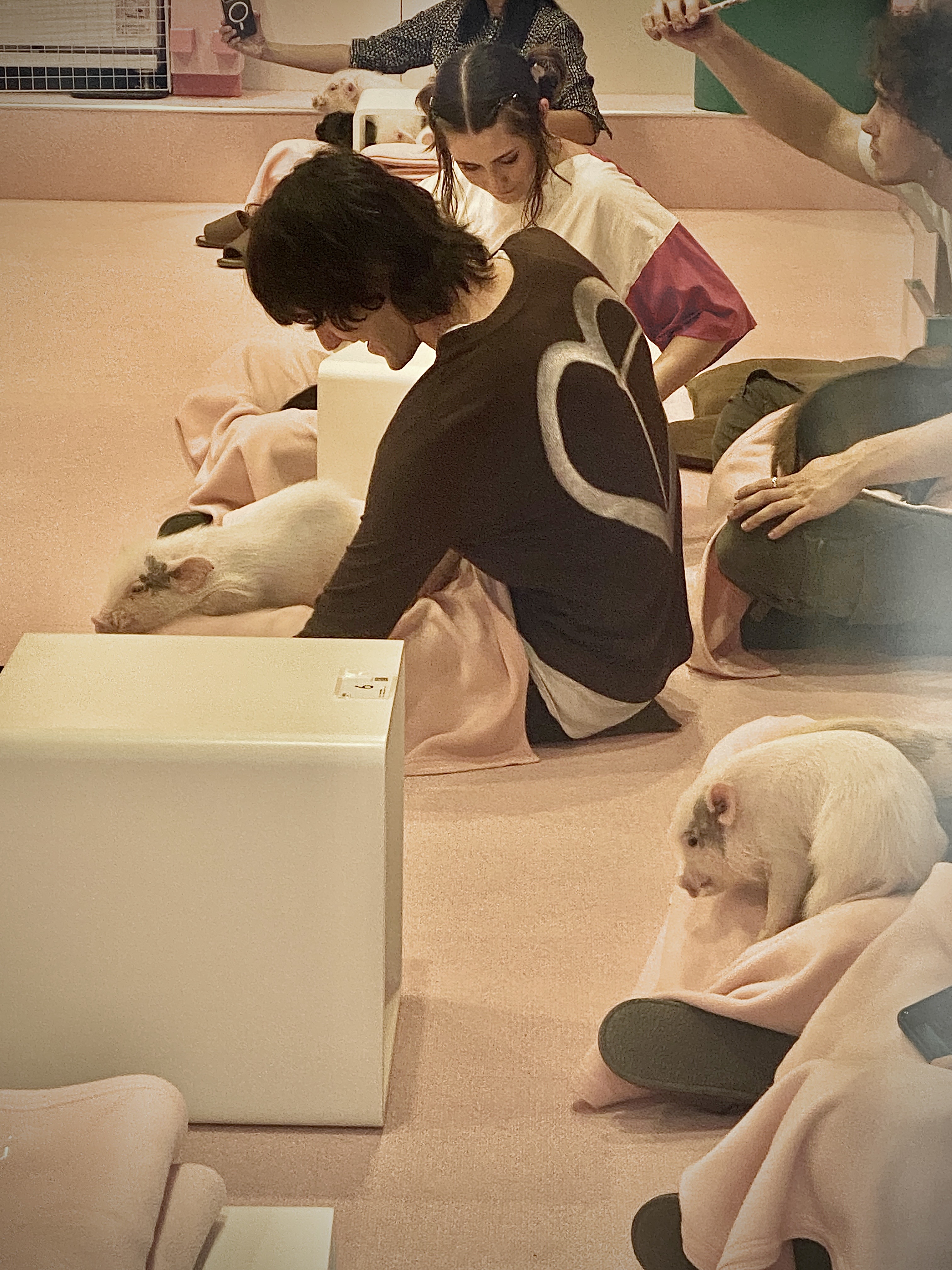
I even saw the weirdest thing ever – a cafe where you can enjoy a cup of latte while petting micro pigs! Micro pigs!! Harajuku is truly where imagination runs wild, where I felt like I had stepped into a world of anime.
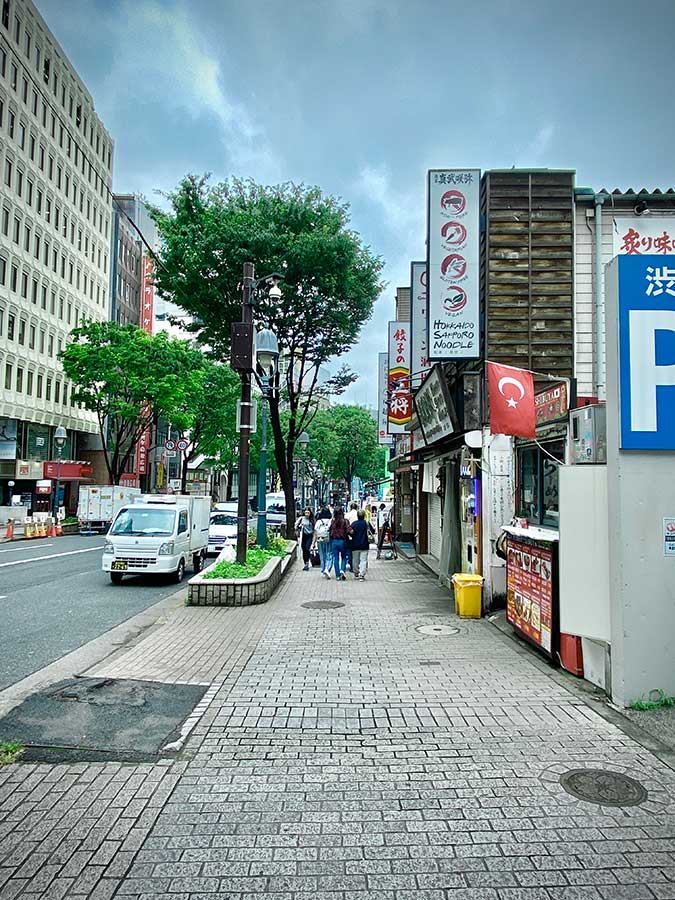
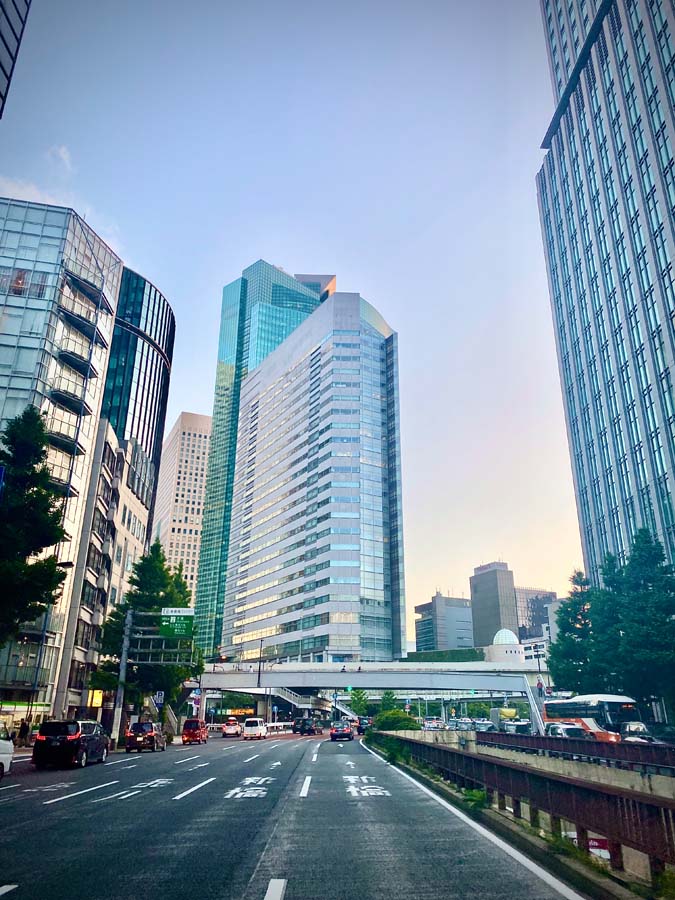
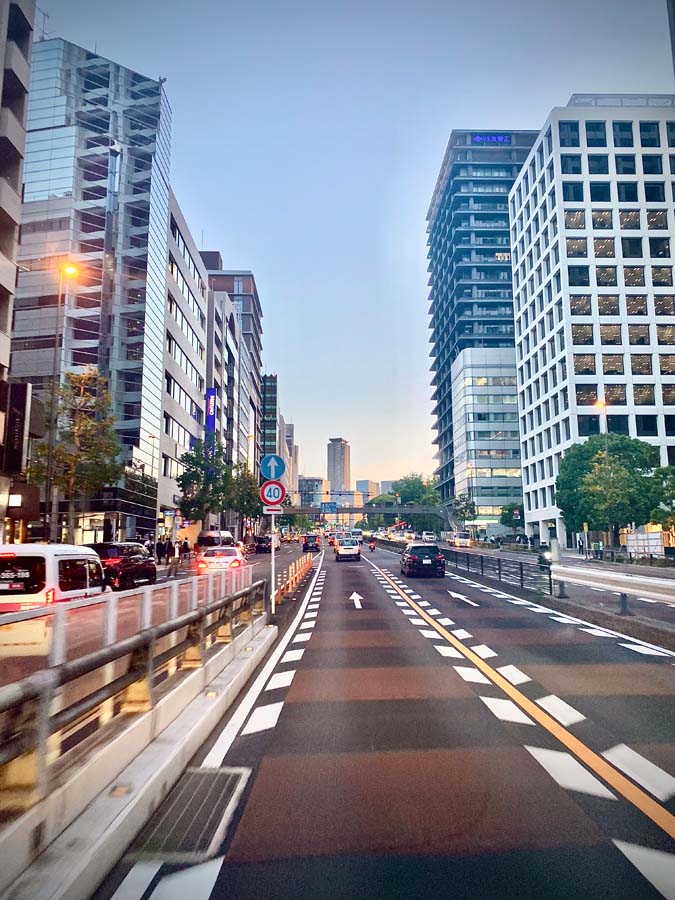
Next we drove through downtown Tokyo all the way to Asakusa. Lots of pretty concrete along the way.
Asakusa is a district of Tokyo where tradition thrives; where ancient meets contemporary. The juxtaposition of ancient temples and modern shops was fascinating, a snapshot of Tokyo’s rich history.
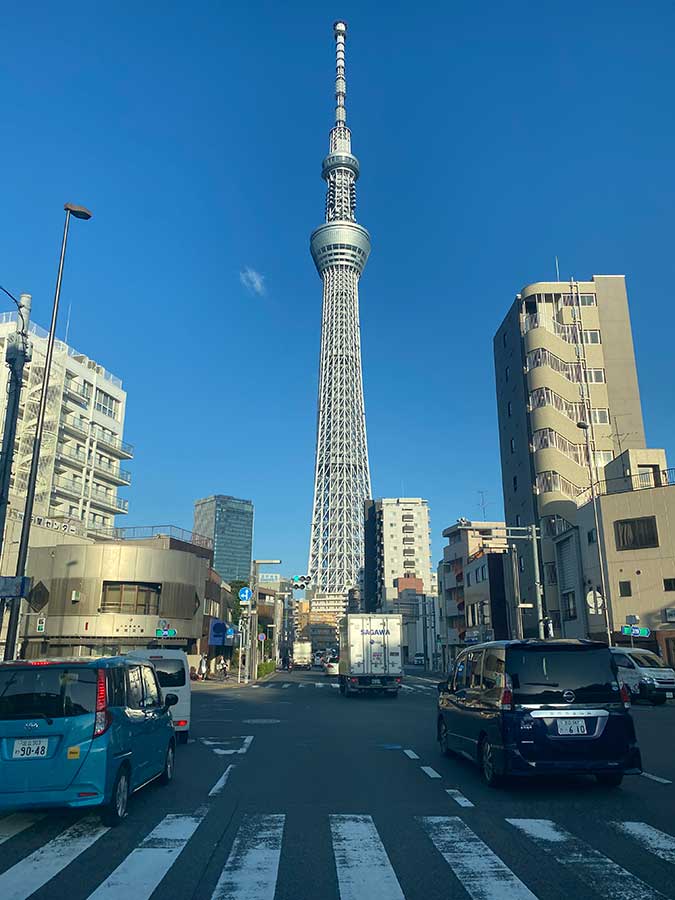
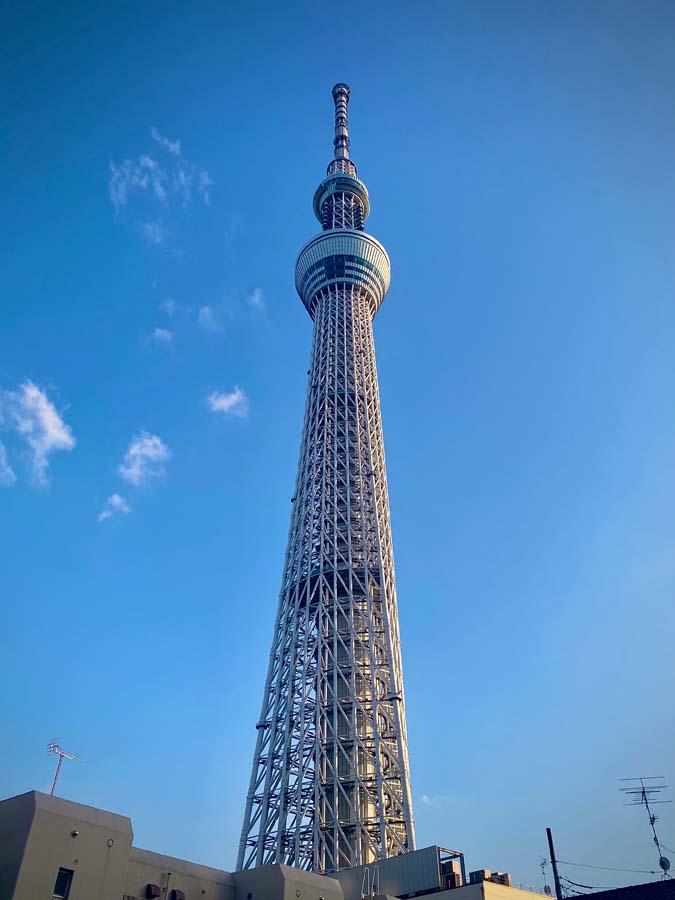
Across the river is Sumida, home to the iconic Tokyo Skytree, a futuristic tower that pierces the sky. We caught glimpses of the tower’s reflection. The contrast between the modern architecture and the serene riverbanks was striking. I was hoping we could take the elevator ride to the Skytree’s observation deck for panoramic views of the city but alas, time was not on our side. Maybe, someday.
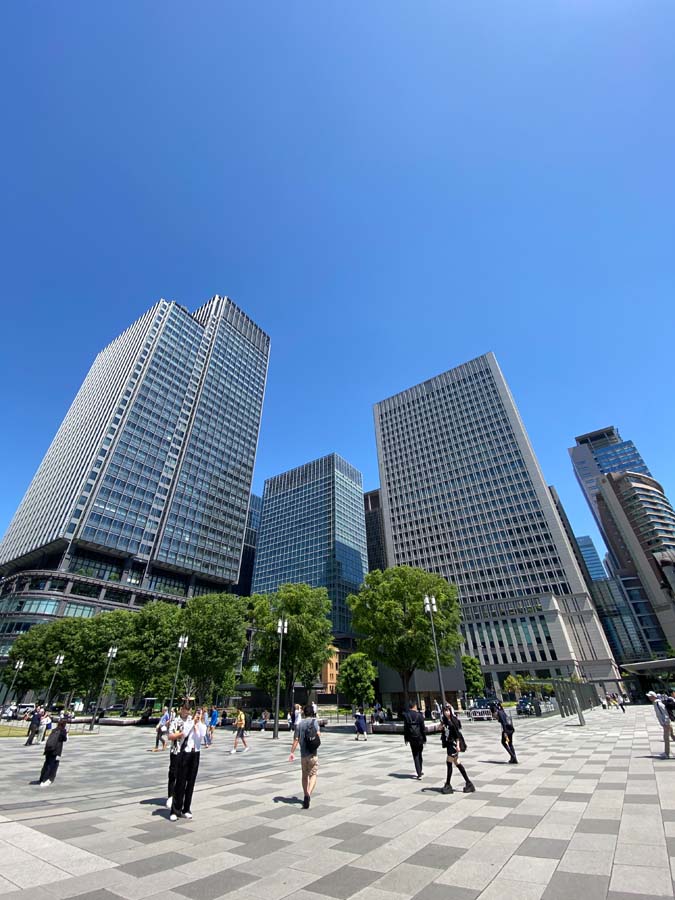
Going back from where we were earlier, we drove by Marunouchi Square which was in front of the Tokyo Train Station where we will be back to hop on the bullet train to Kyoto in a couple of days. But more on that in a later post.
As the day neared its end, we drove back to Shibuya City and passed by more pretty concrete.
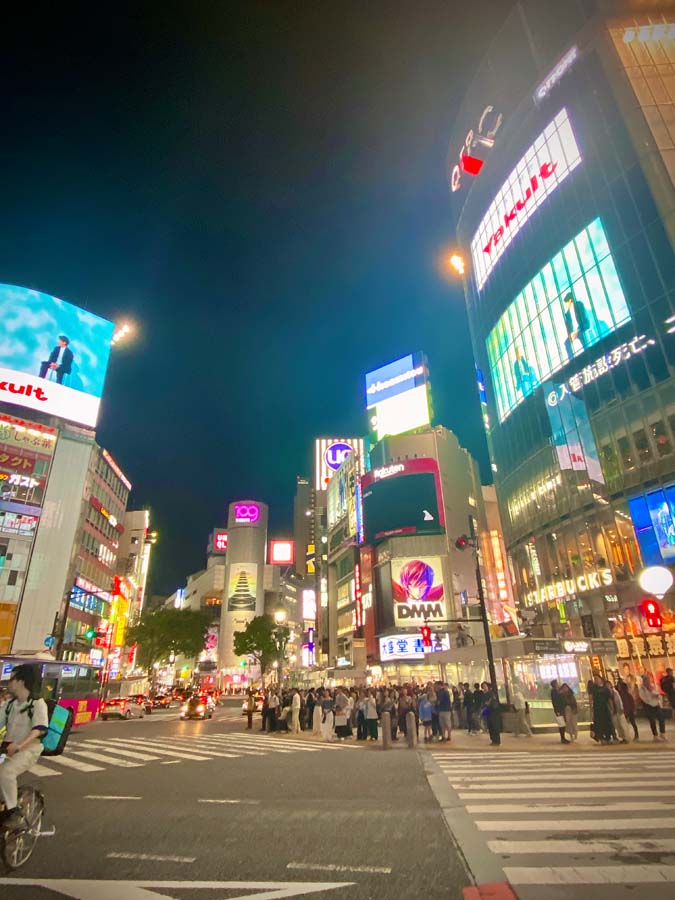
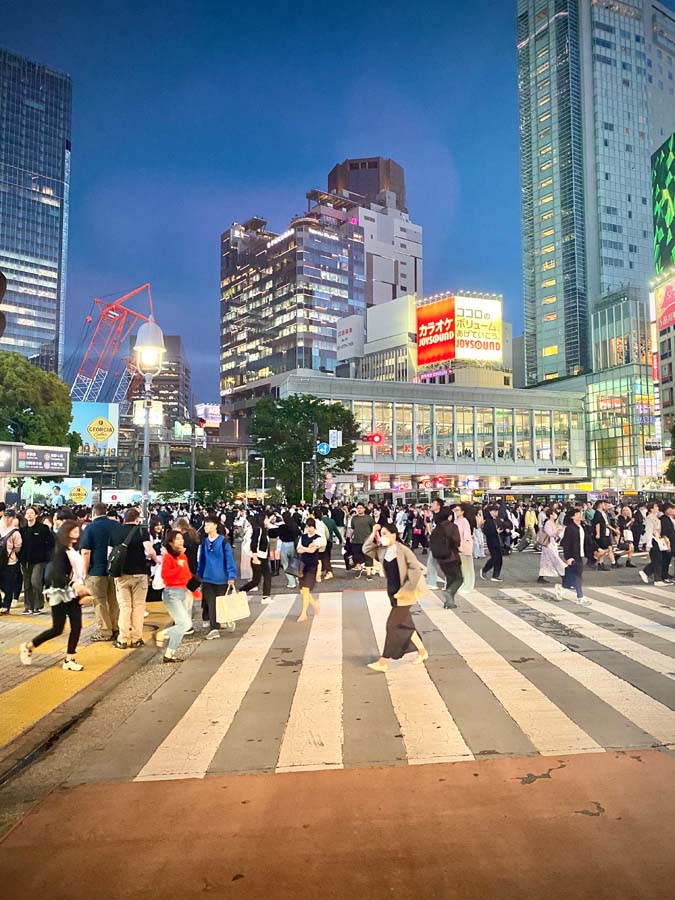
In Shibuya, we found ourselves passing through what looked like a futuristic movie scene. The famous Shibuya Scramble Crossing (world’s busiest pedestrian crossing), where pedestrians flood the streets from all directions, is a mesmerizing sight. It reminded me of NYC’s Times Square. There were even Mario Karts cruising the streets like in an amusement park! I couldn’t help but feel the energy of this youth-centric district with trendy boutiques, quirky cafés, and colorful street art everywhere you look. And yes, I did attempt the Shibuya scramble, dodging people while crossing the road. Quite an adventure that was!
Driving in Tokyo felt oddly familiar, despite the left-side driving. The orderly traffic, efficient roads, and courteous drivers reminded me of home. With Tokyo’s unique blend of tradition and modernity, you’re bound to get lost in the beauty of its character.
During our family’s recent trip to Japan, I had the pleasure of visiting the iconic Asakusa Shrine, also known as Sanja-sama, or, my favorite of all its appellations, the Shrine of the Three Gods. This is the second stop on our first day in Tokyo.
As I approached the shrine, the vibrant Kaminarimon, or Thunder Gate with its bright red hue and massive lantern suspended in the middle drew me in. People bustled around, snapping photos and soaking in the atmosphere. Passing under the lantern felt like stepping into a different era.
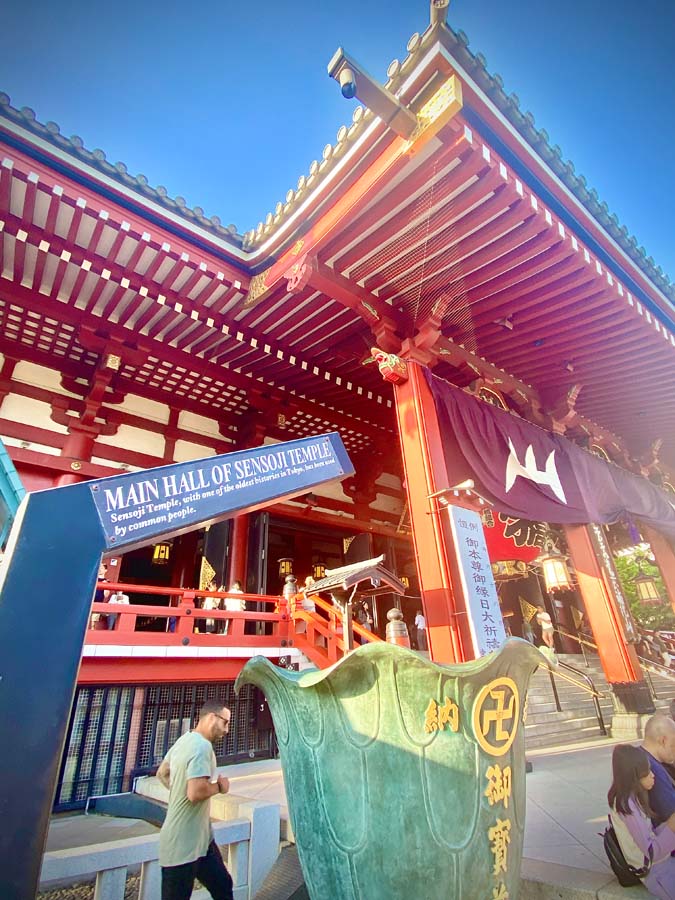
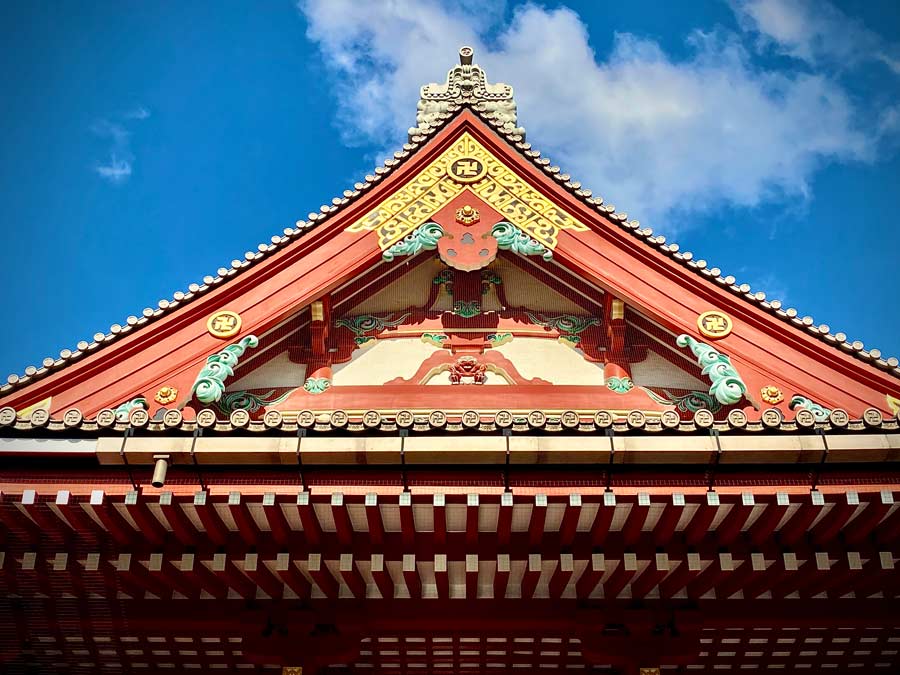
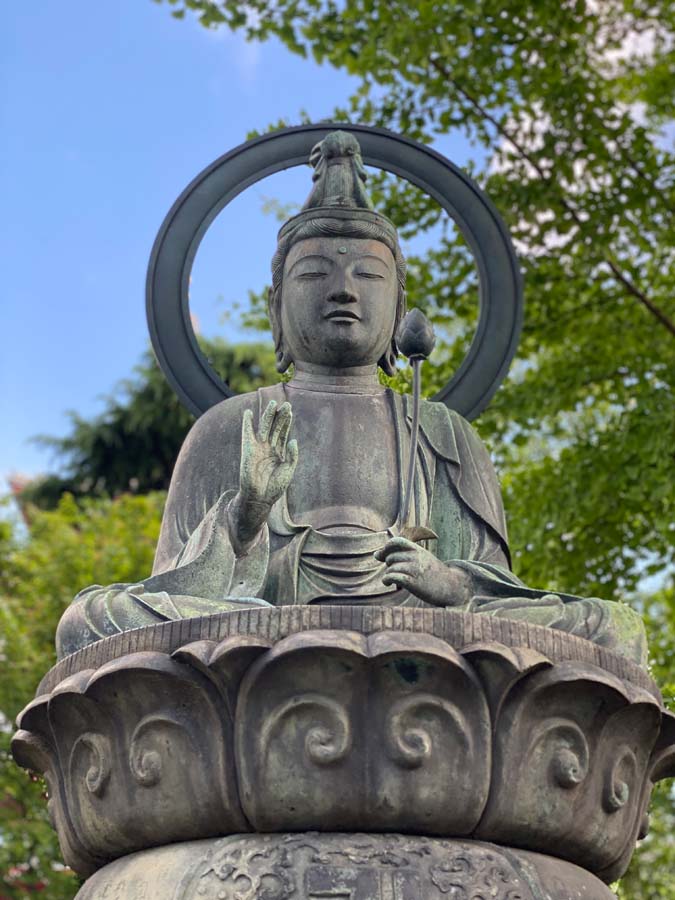
Sensoji Temple, completed in 645 AD, holds the title of Tokyo’s oldest temple. Legend has it that two fishermen brothers fished a statue of the Bodhisattva of compassion (known as Kannon Bosatsu in Japanese) from the nearby Sumida River in 628. Inspired, they transformed their home into a temple, allowing the entire village to pray to the sacred statue.
Over the centuries, Sensoji faced destruction—both natural and man-made. The original main temple building fell victim to World War II bombings but was later rebuilt. The two gates leading to the temple, Hozomon and Kaminarimon, have also risen from the ashes multiple times.
Across from Sensoji Temple stands Asakusa Shrine, affectionately known as “Sanja-Sama” by locals. It’s a shrine dedicated to the three men who built the temple.
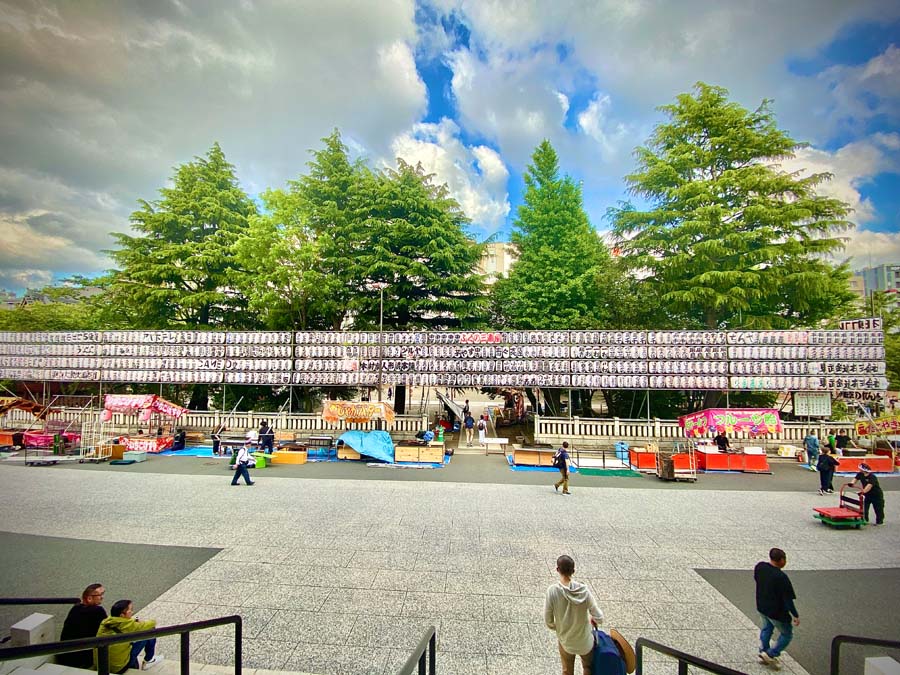
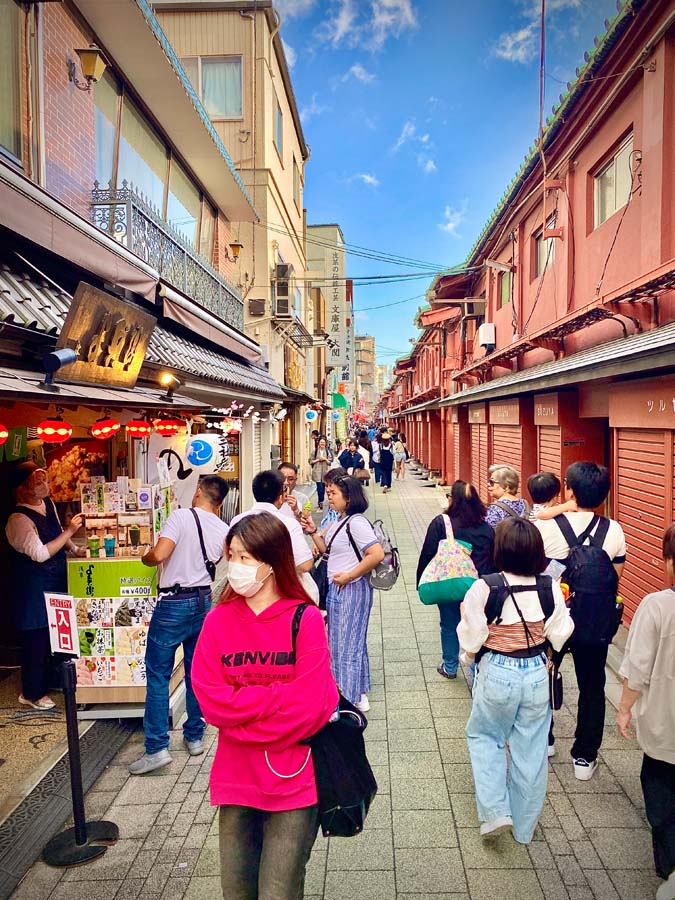
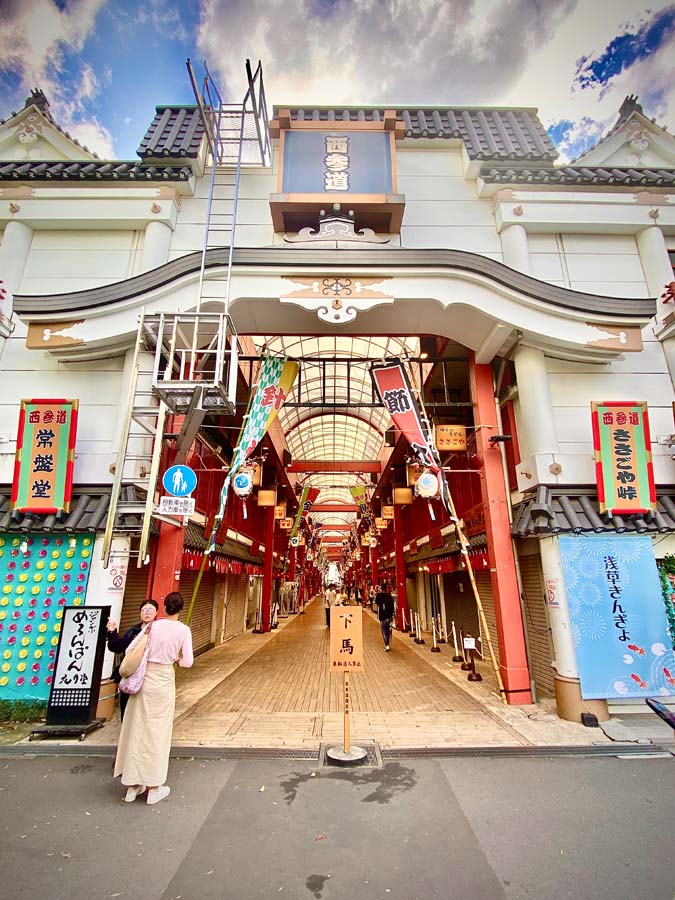
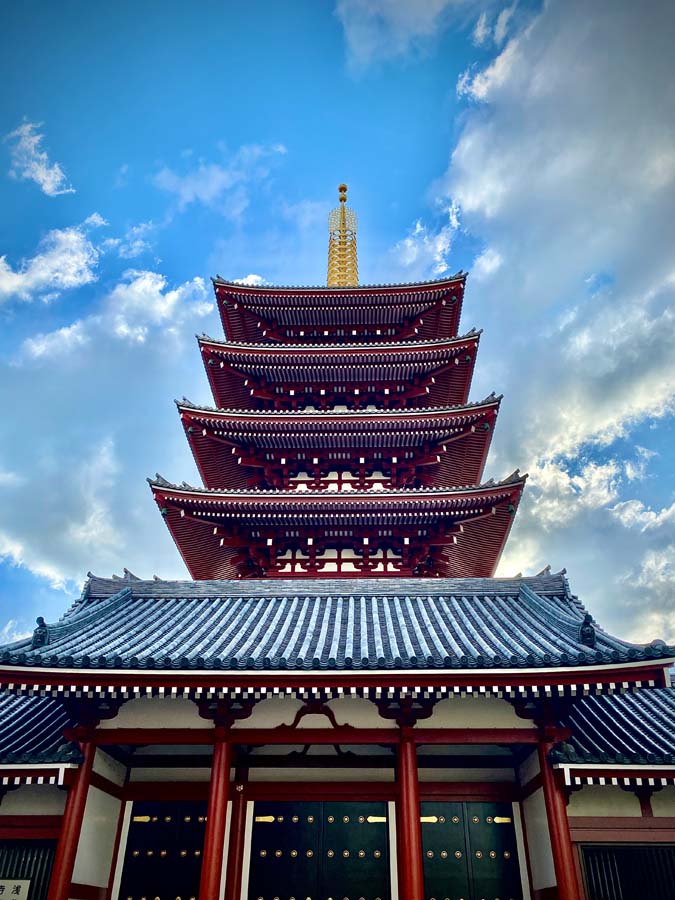
Below are more sights from the shrine including barrels of sake, alley market, Nishi Sando shopping street, and a five-story pagoda.
Asakusa Shrine, where history whispers through cherry blossoms and modern Tokyo hums in the background. I’m glad to have stepped into its story. Even for just a few hours.
My family decided to spend four days in Japan. Hardly enough time to see everything but we managed to squeeze in as much sights as we could in the little time we had. It’s all good. The Meiji Shrine was our first stop.
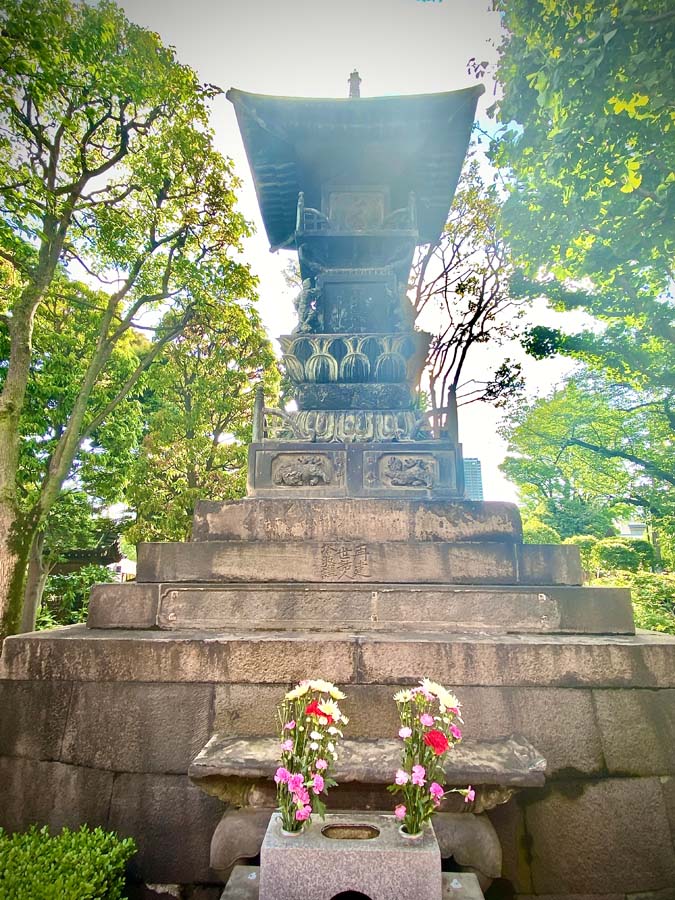
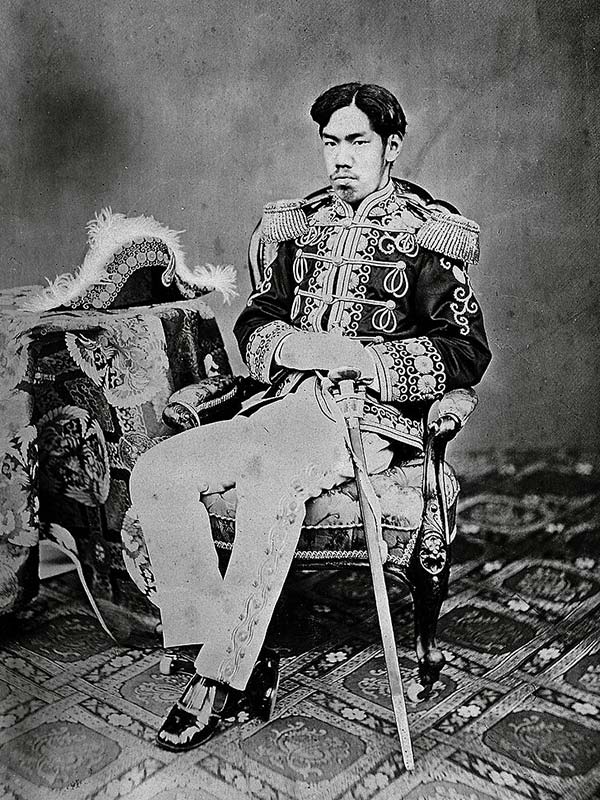
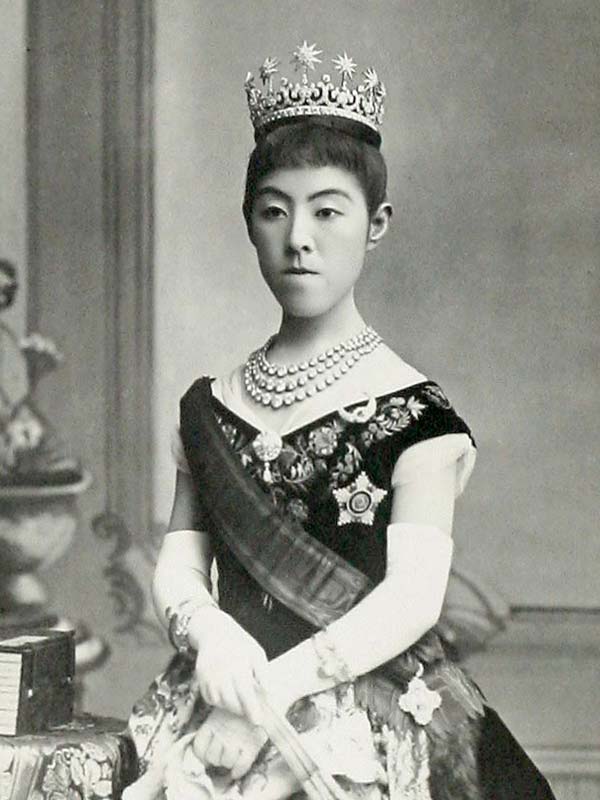
A bustling metropolis of neon lights, skyscrapers, and crowded streets, might not be the first place you’d associate with tranquility. But tucked within this urban jungle lies the Meiji Shrine (Meiji Jingu), a serene oasis. During this recent trip, I had the pleasure of visiting this iconic Shinto shrine, dedicated to Emperor Meiji and Empress Dowager Shoken.
Emperor Meiji, the first emperor of modern Japan, ascended to the throne in 1867 during the Meiji Restoration, a pivotal period when Japan transformed from a feudal society to a global power. His reign marked Japan’s rapid modernization, and the shrine commemorates his pivotal role in shaping the nation.
Completed in 1920, eight years after Emperor Meiji’s passing, the shrine stands as a testament to his legacy. Interestingly, the Meiji Shrine doesn’t house the emperor’s grave; that honor belongs to Fushimi-momoyama in Kyoto.
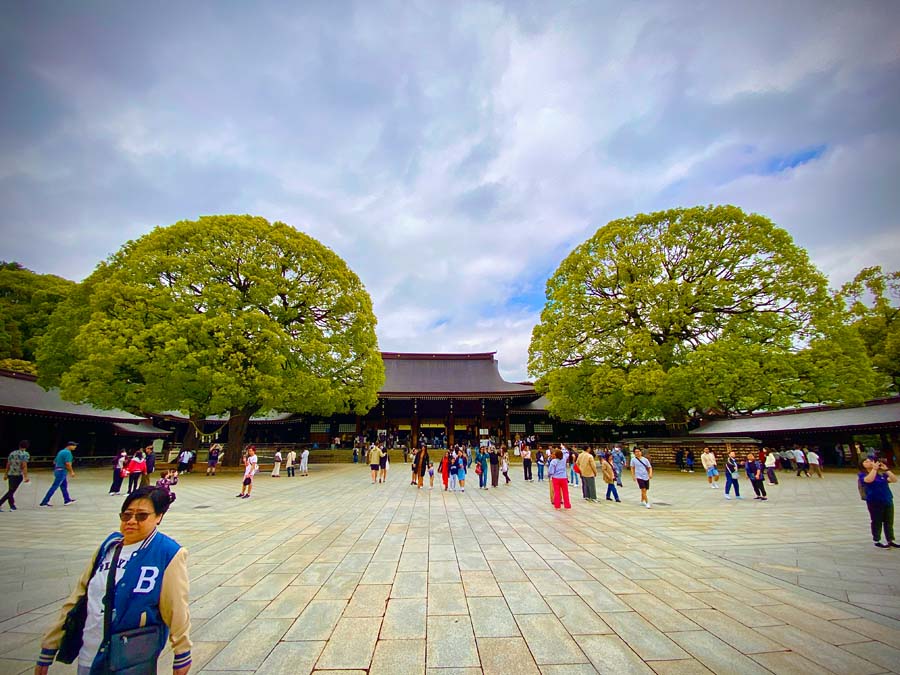
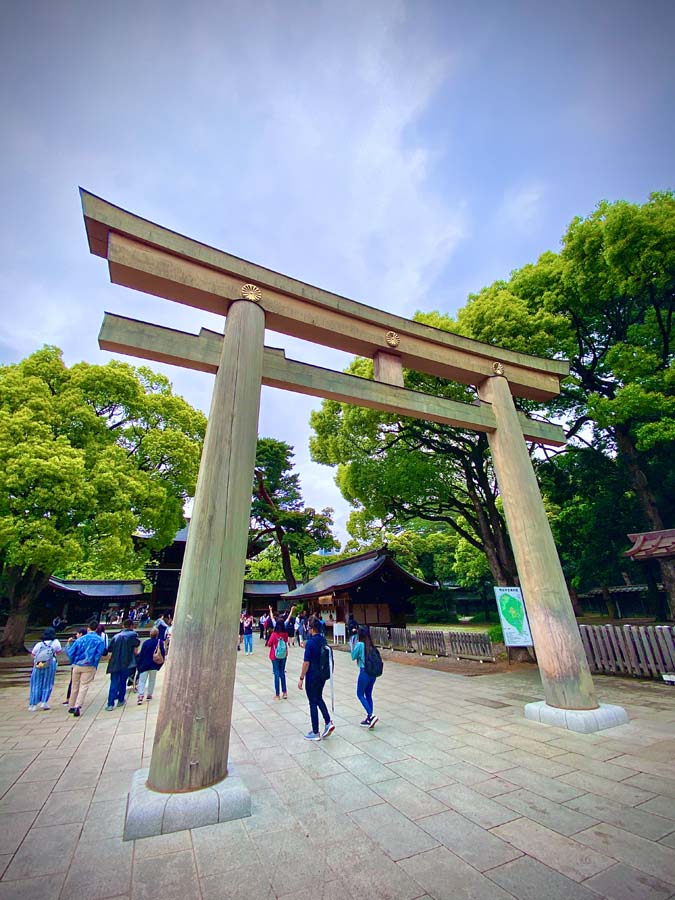
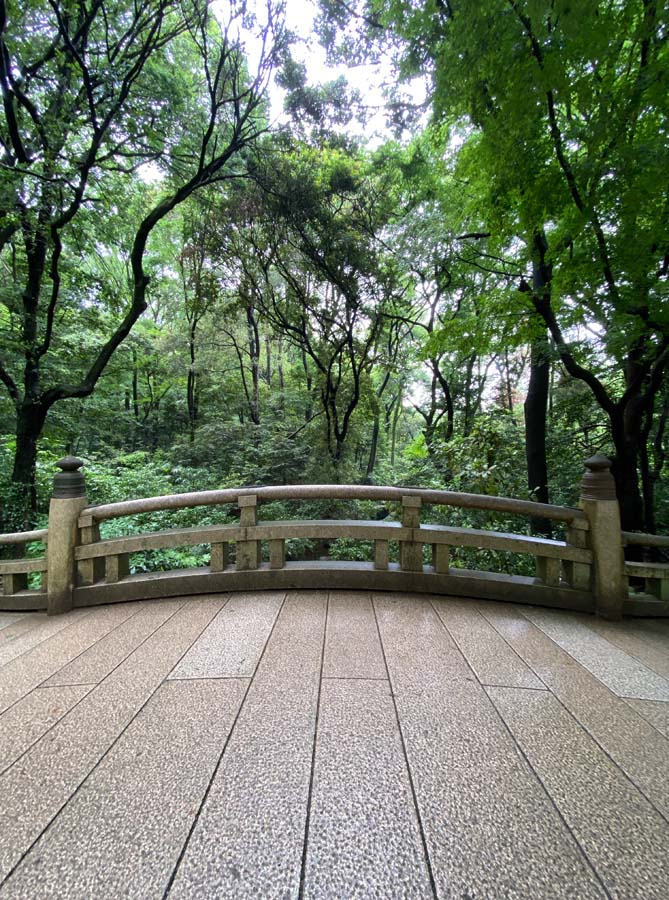
Meiji Shrine is conveniently located near Harajuku Station, a railway station in Shibuya, Tokyo. As you step through the massive torii (a traditional Japanese gate), the city’s cacophony fades, replaced by a tranquil forest. Over 100,000 trees, donated from all corners of Japan, create a lush green canopy.
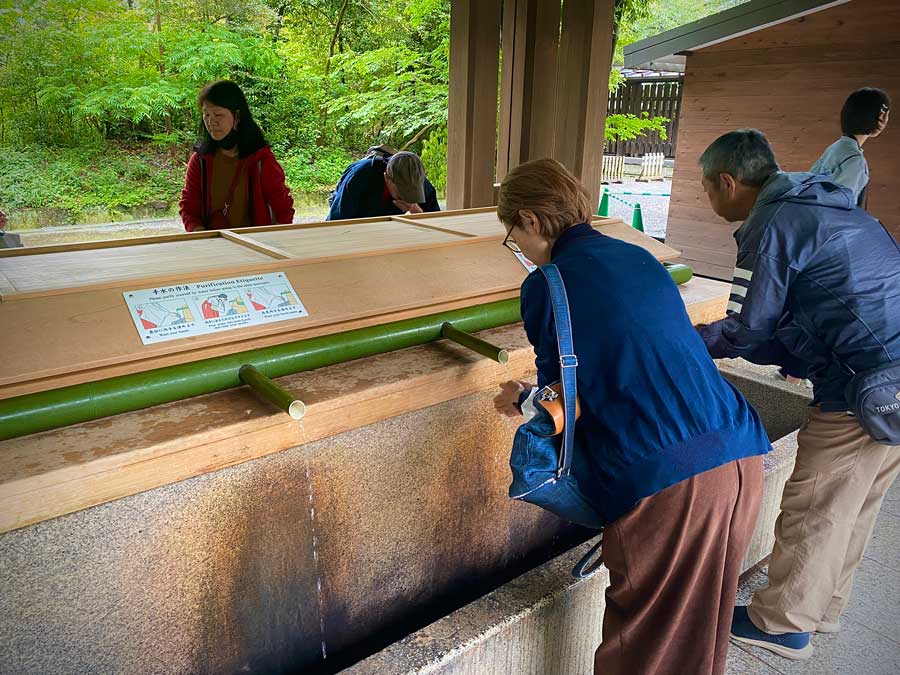
A ten-minute walk from the torii leads you to the main complex. Here, you can participate in traditional Shinto activities, make offerings at the main hall, purchase charms, or write wishes on ema (wooden plaques).
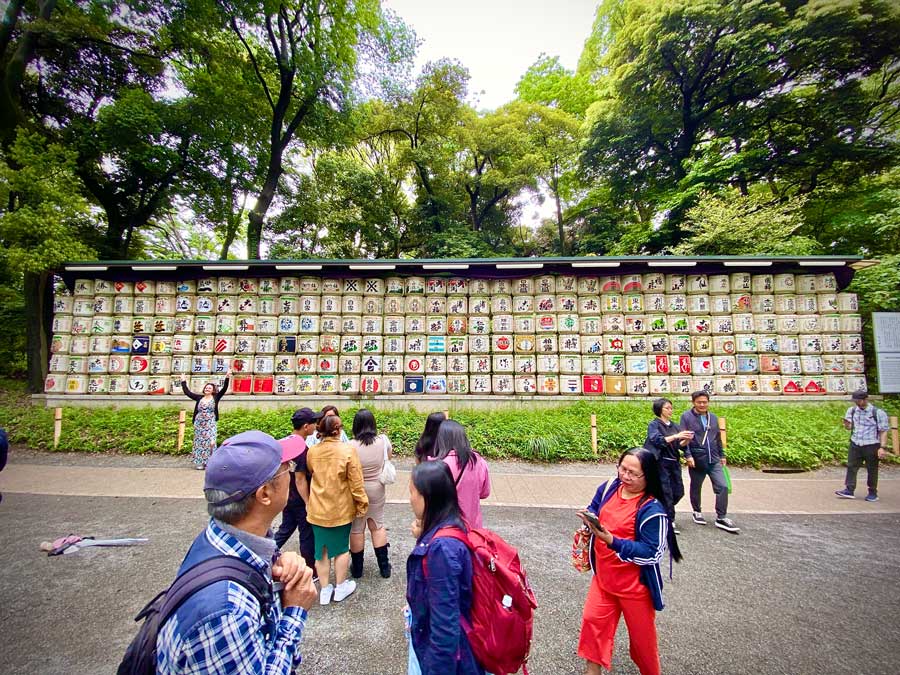
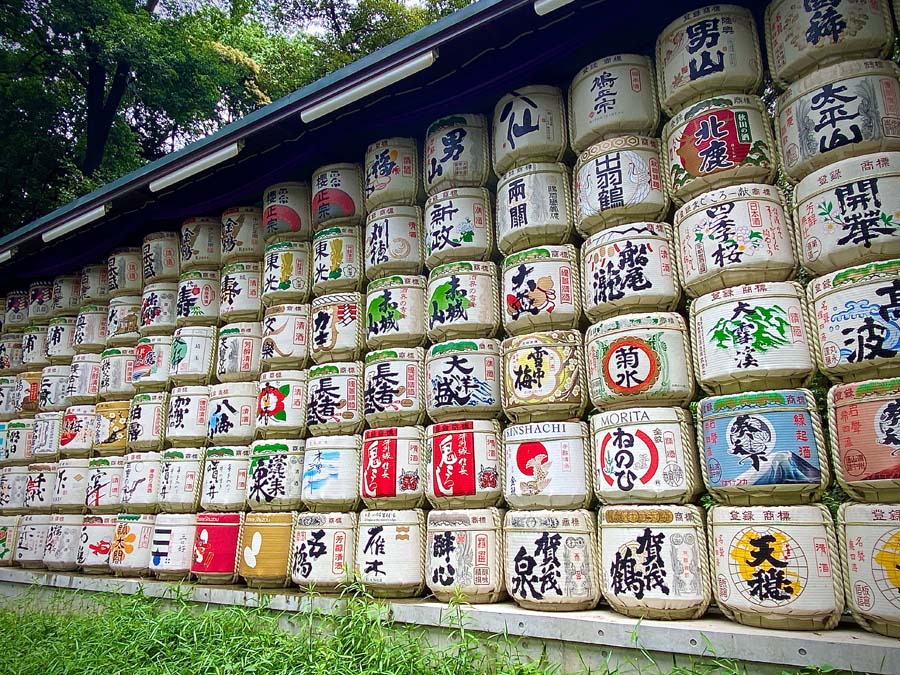
I was amused by the barrels of sake flaunted along the walk path. I learned that these barrels are donated annually to the shrine by sake brewers all over Japan as an act of deep respect for the enshrined deities Meiji and Shoken.
There are other sights such as the Meiji Jingu Museum which houses treasures from the shrine’s collection and the Inner Garden that required an entrance fee. For time’s sake, I opted to skip these.
All in all, the Meiji Shrine was a nice visit. A cordial blend of tradition and serenity and a great escape from the bustling streets of Tokyo. I really enjoyed it!
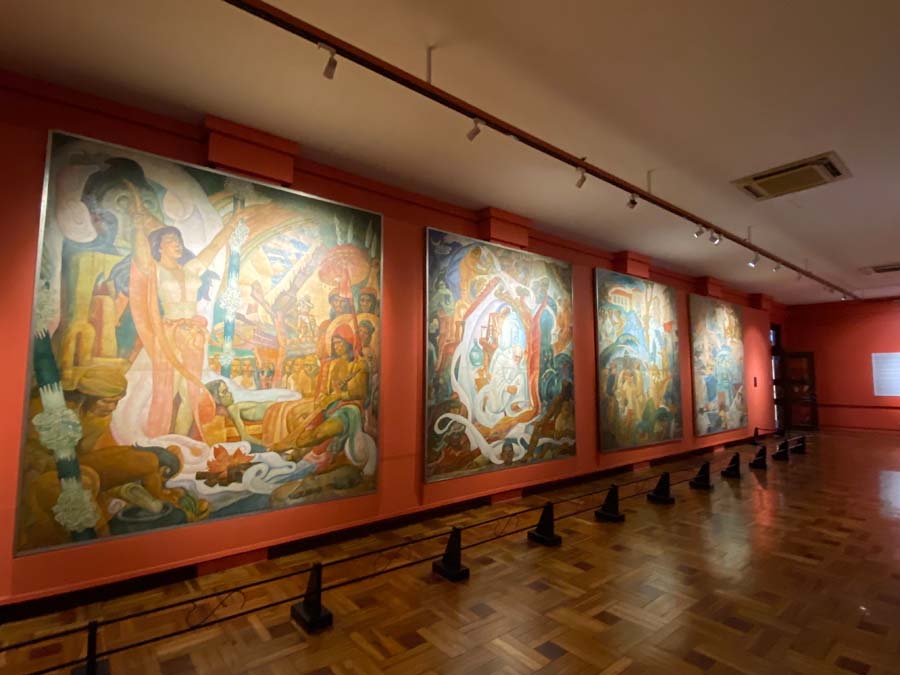
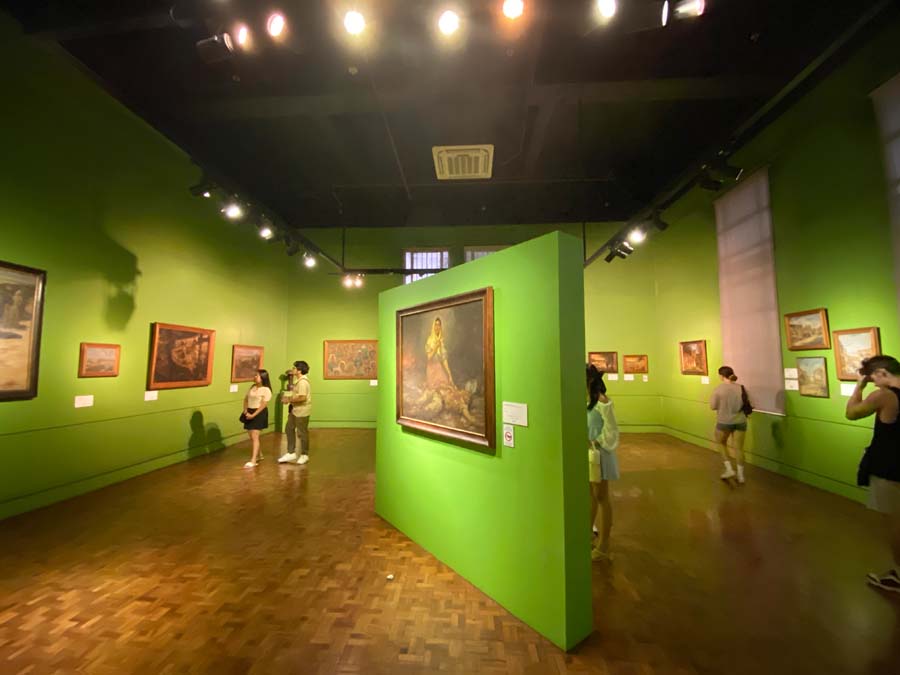
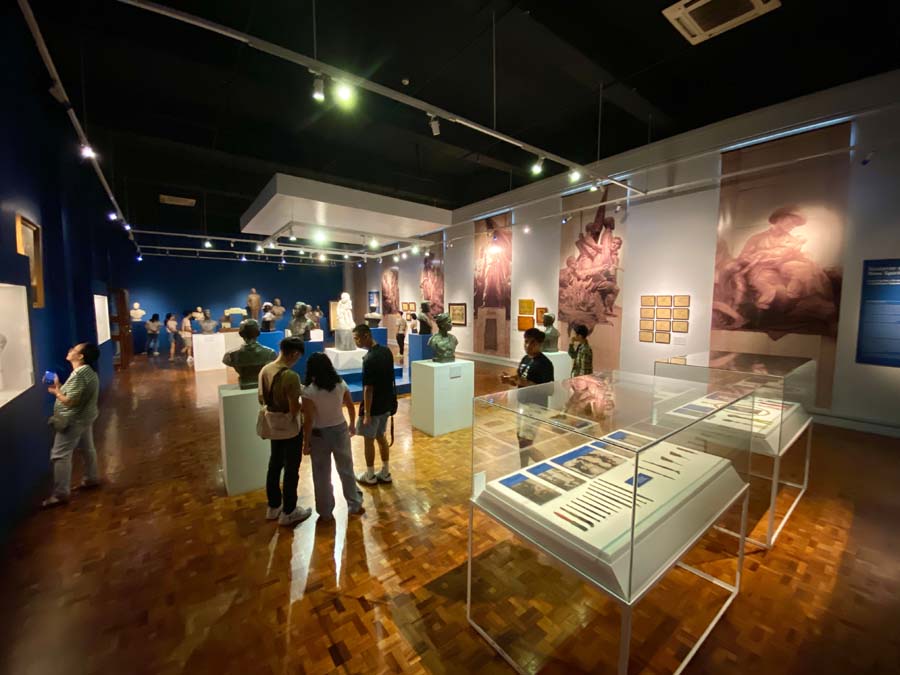
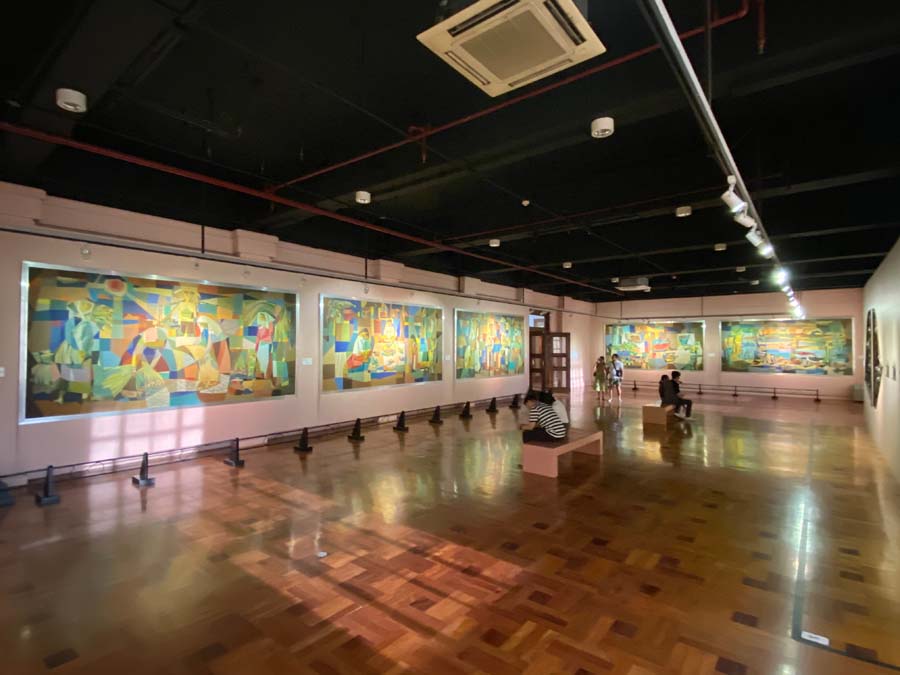
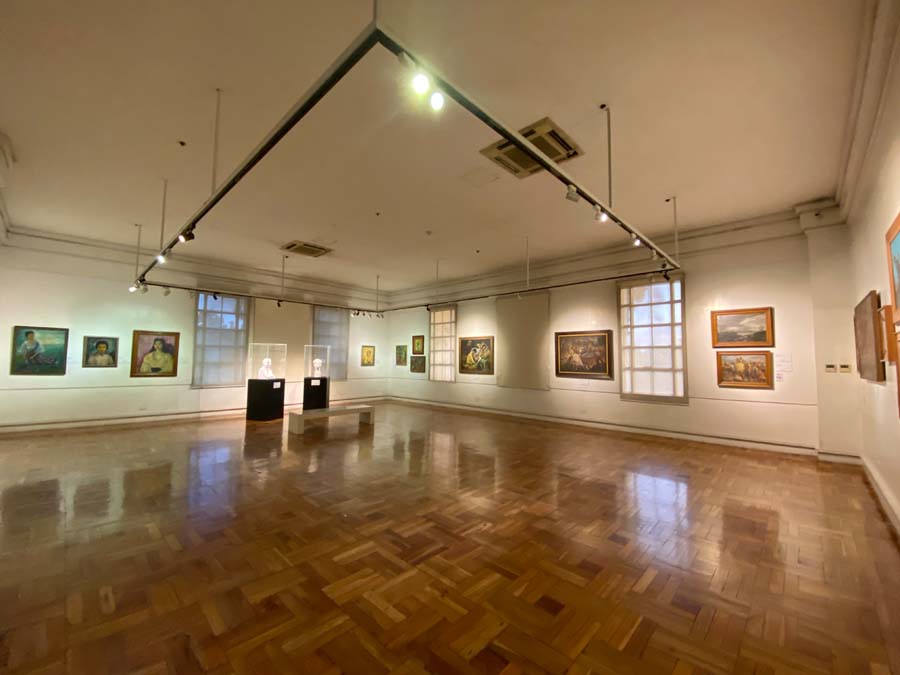
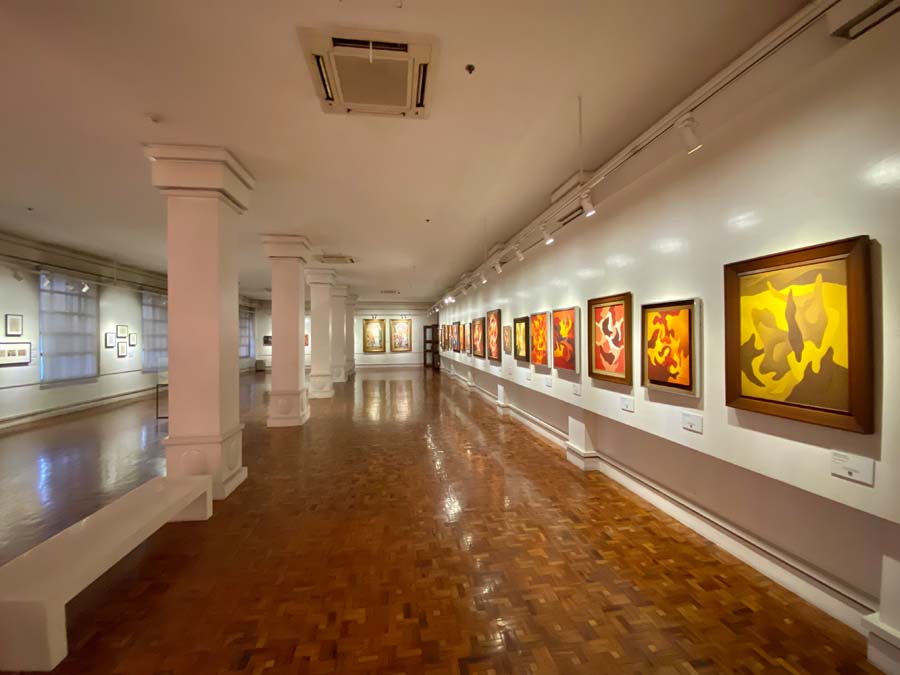
One of the most memorable places in the Philippines I was fortunate enough to visit was the National Museum of Fine Arts. Being an artist, I could not help but be inspired by the works of art made by remarkable Filipinos throughout history.
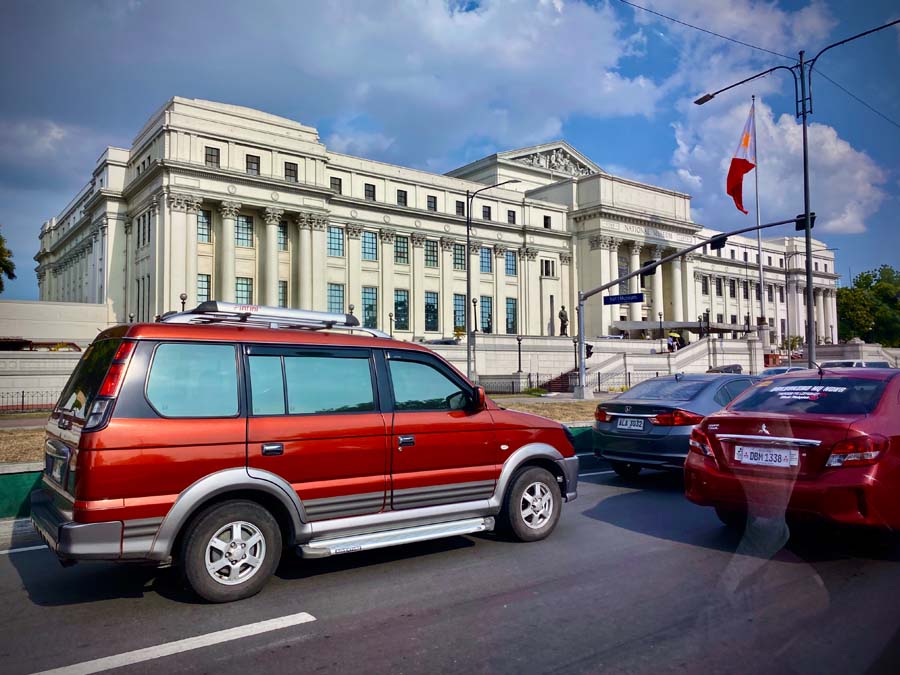
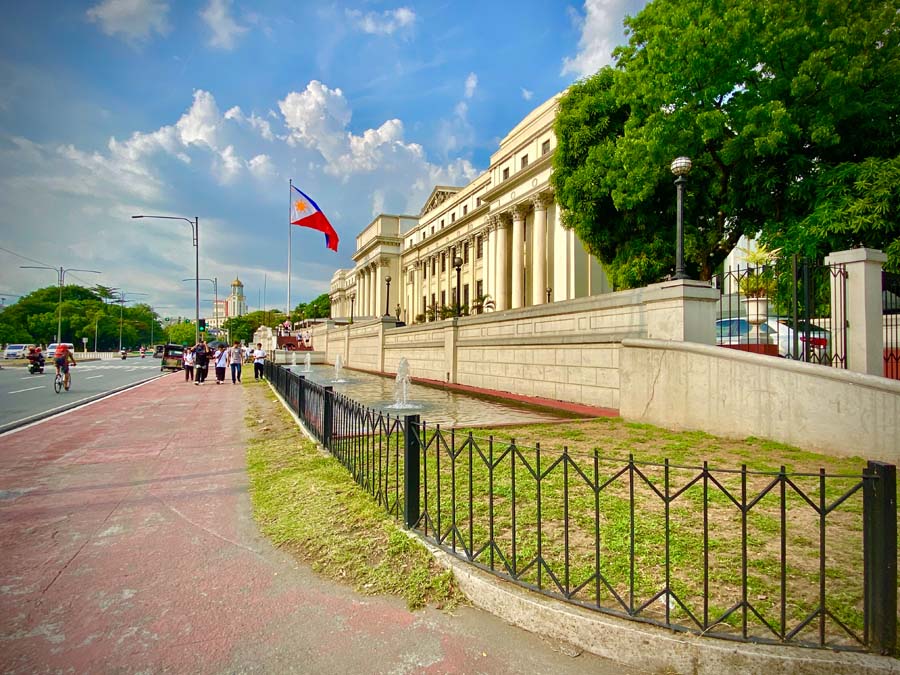
Formerly known as the National Art Gallery, the National Museum of Fine Arts resides in the monumental Old Legislative Building in the heart of Manila. This historic structure was built in the early 20th century. Originally intended as the National Library, it later transformed into the Legislative Building.
During World War II, Japanese forces used the building as their stronghold, modifying it with defensive installations. American forces bombarded it, resulting in significant damage. The building was rebuilt after the war, maintaining its original footprint but with a less ornate façade. But it’s still beautiful though, if you ask me.
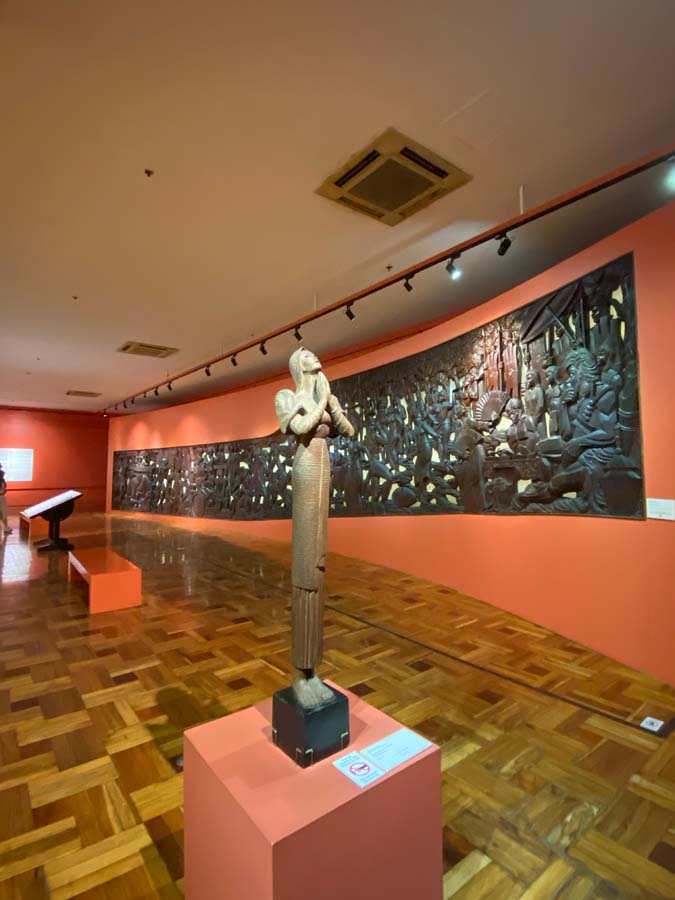
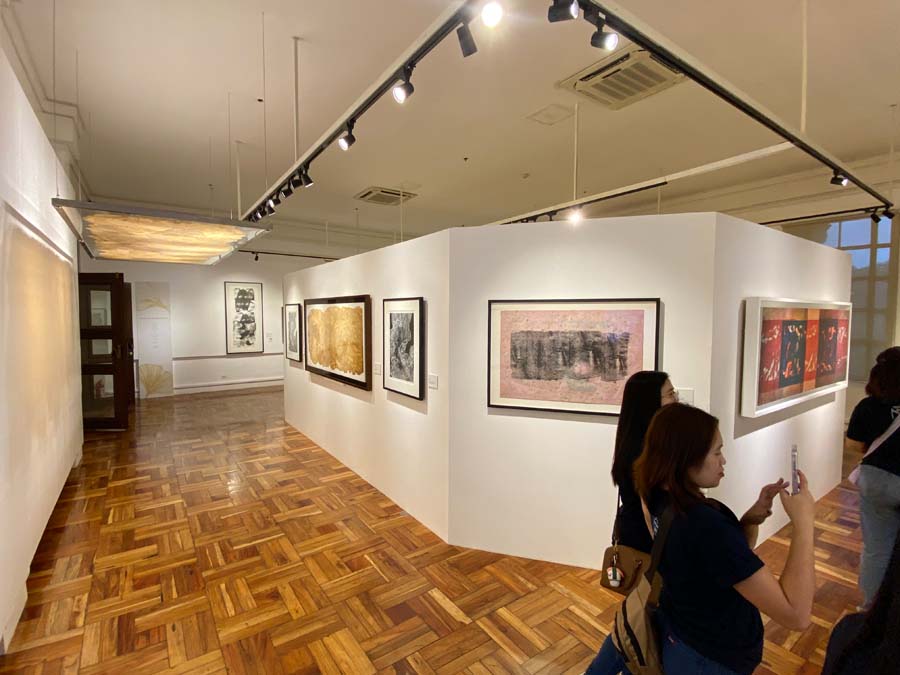
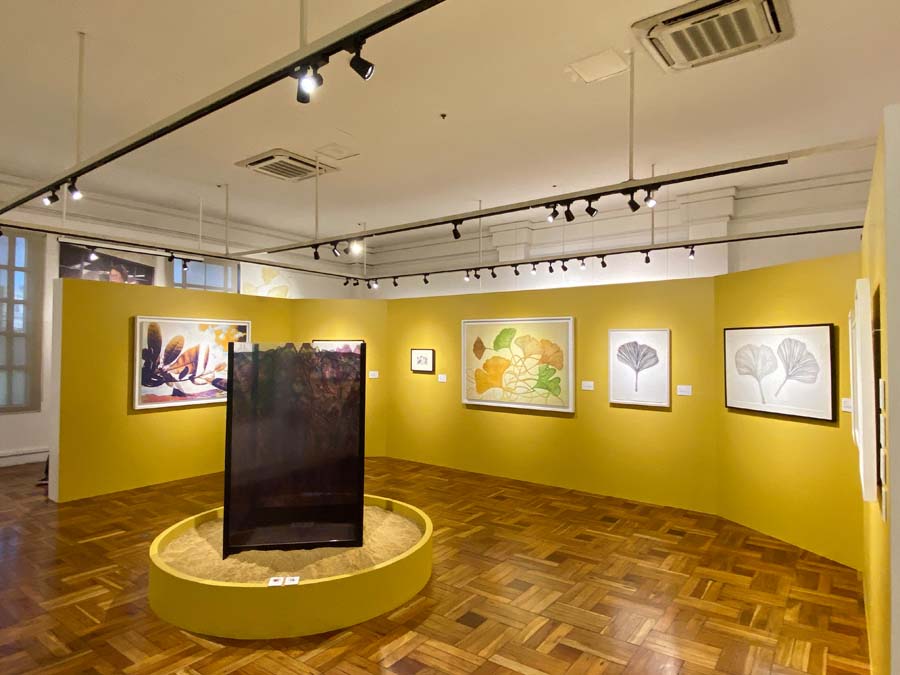
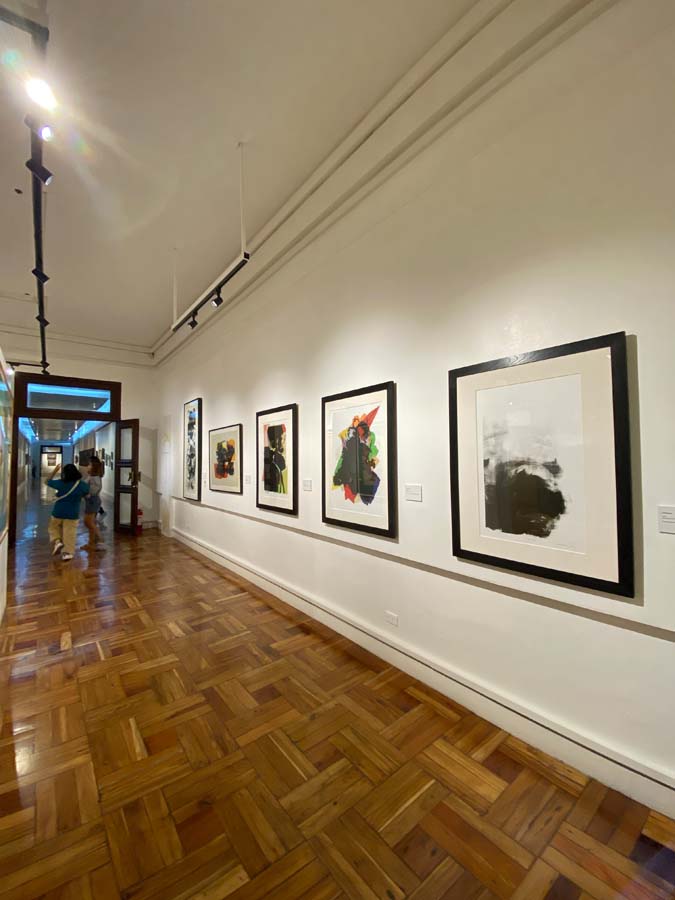
Inside, there are numerous galleries and hallway exhibitions, showcasing a diverse collection.
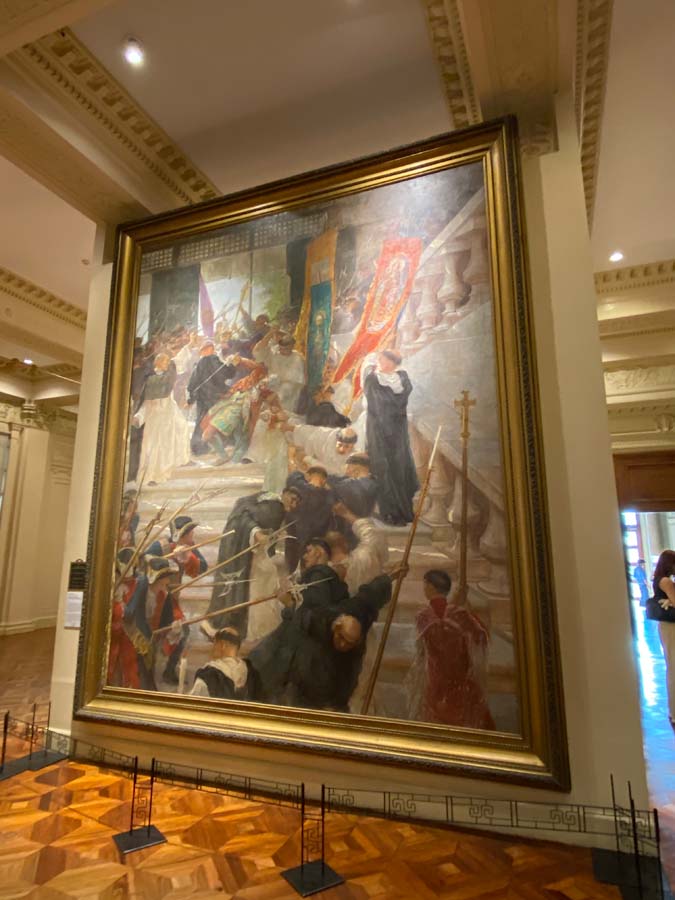
As I entered the building, I was greeted by the iconic Spoliarium. Yes, this museum is home to the 1884 gold-winning opus by Juan Luna, the famous Filipino artist and political activist during the Philippine Revolution of the late 19th century. Luna’s masterpiece captures the intensity of gladiators in ancient Rome, evoking raw emotion and grandeur.
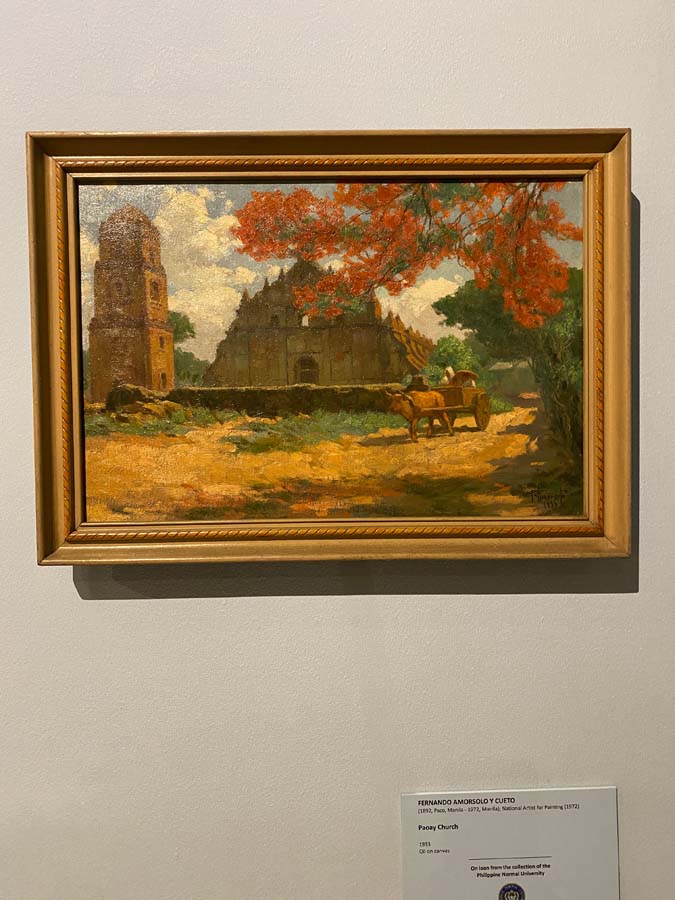
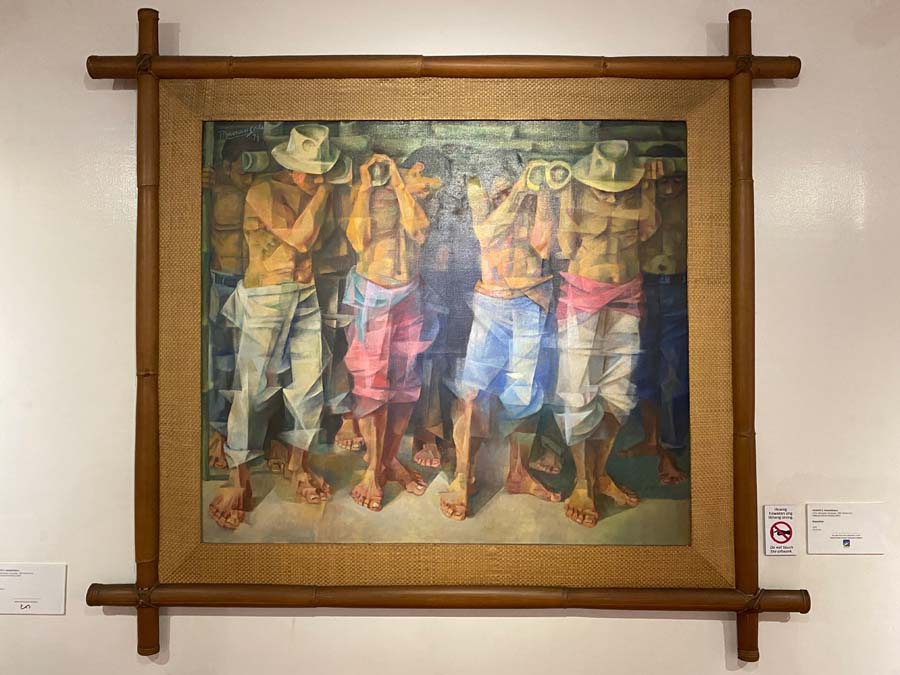
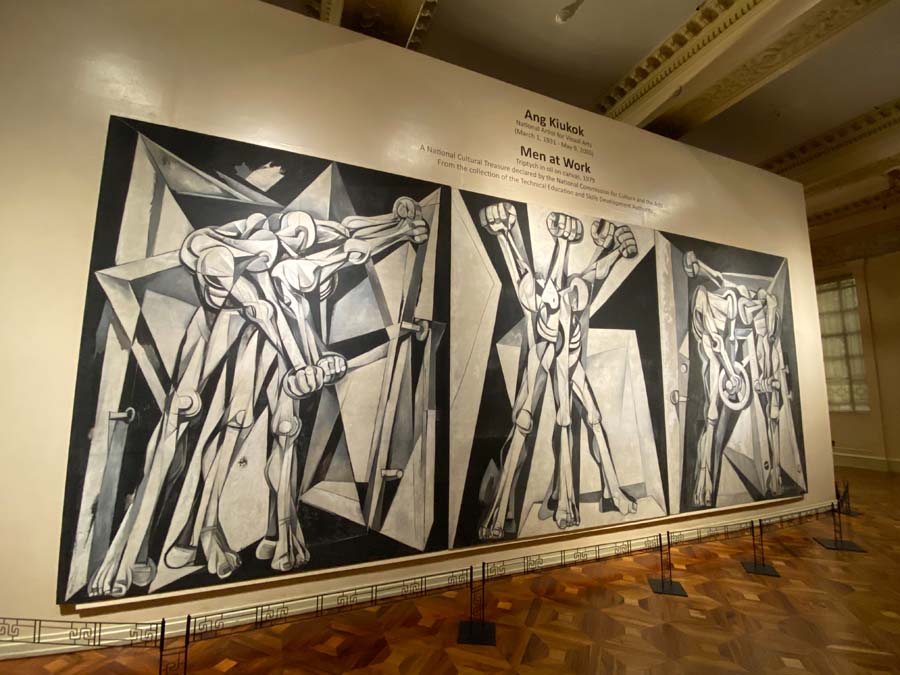
In some galleries, there were portraits of notable figures in history. Yet the most impactful pieces to me were those that depicted life. Emotional pieces that showed what it was like to live as Filipinos both historically and perhaps in some places, even today.
I also admired the works of 19th Century Filipino Masters and other artists who have molded the nation’s art culture.
And not to be missed was the contemporary creativity by modern painters, sculptors and printmakers. They were nothing short of exceptional.
The National Museum of Fine Arts offers a captivating journey through creativity and history. It’s a treat to both art enthusiasts or casual visitors. It was for me!
This post is a follow-up to my previous blog about Las Casas. I did not mention the part about the evening show they put on because it’s so great it deserves a spotlight all its own.
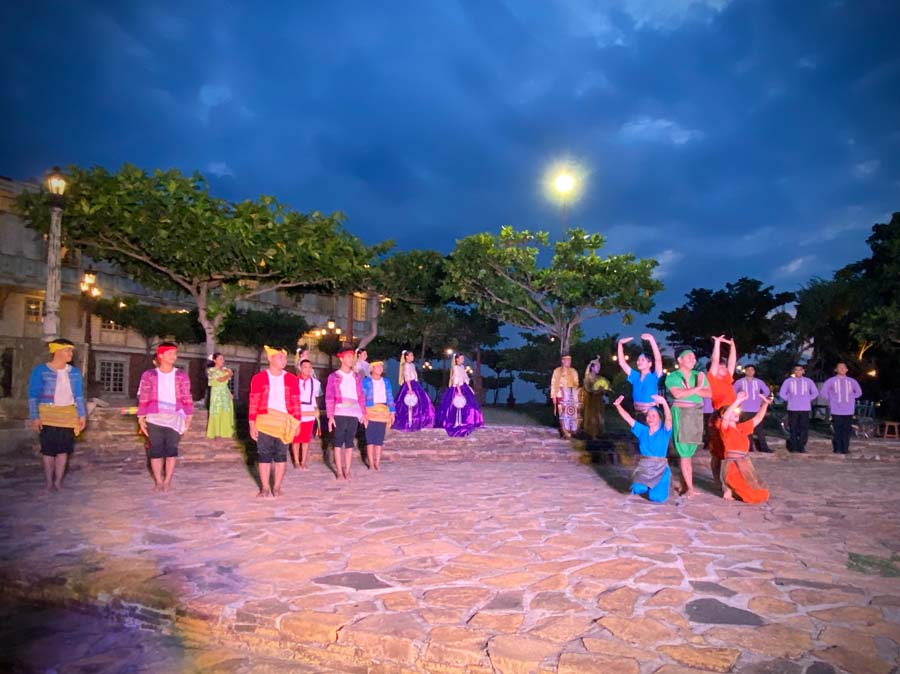
The Philippines, with its vibrant culture and rich heritage, boasts a dazzling array of native and folk dances. These rhythmic expressions have been passed down through generations, each telling a unique story and offering a glimpse into the Filipino spirit.
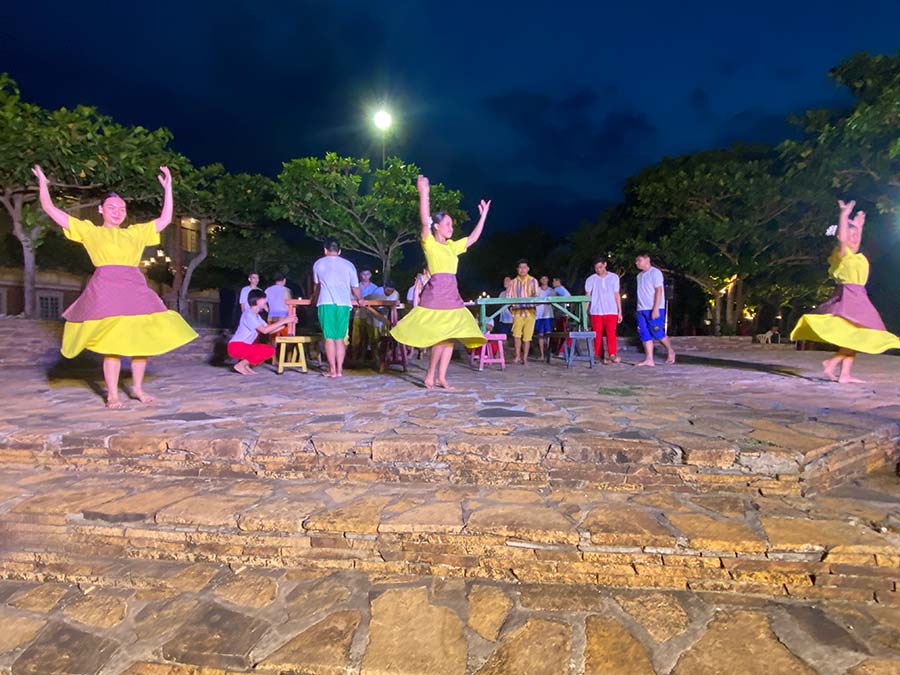
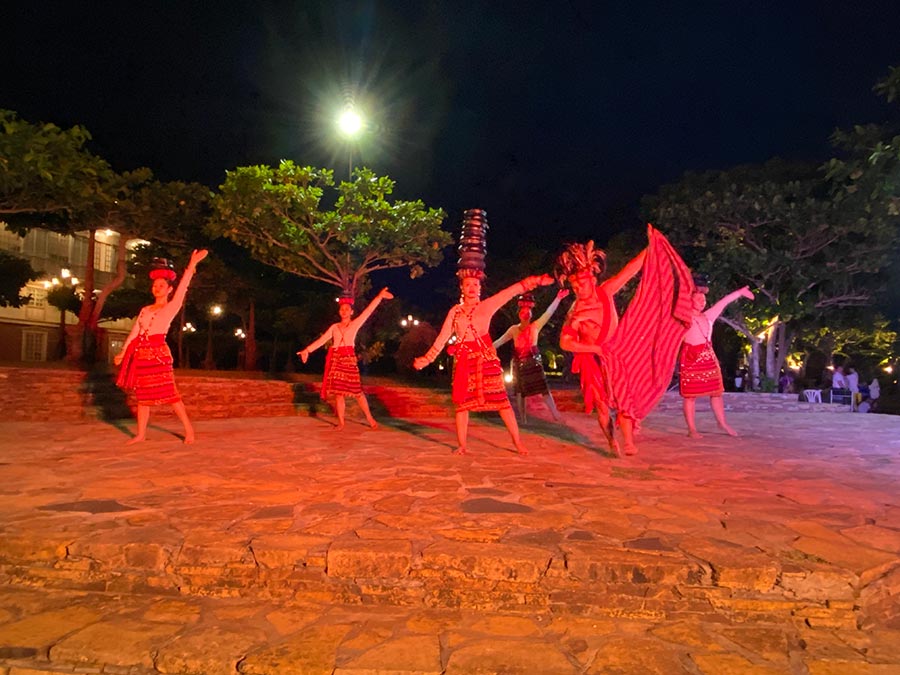
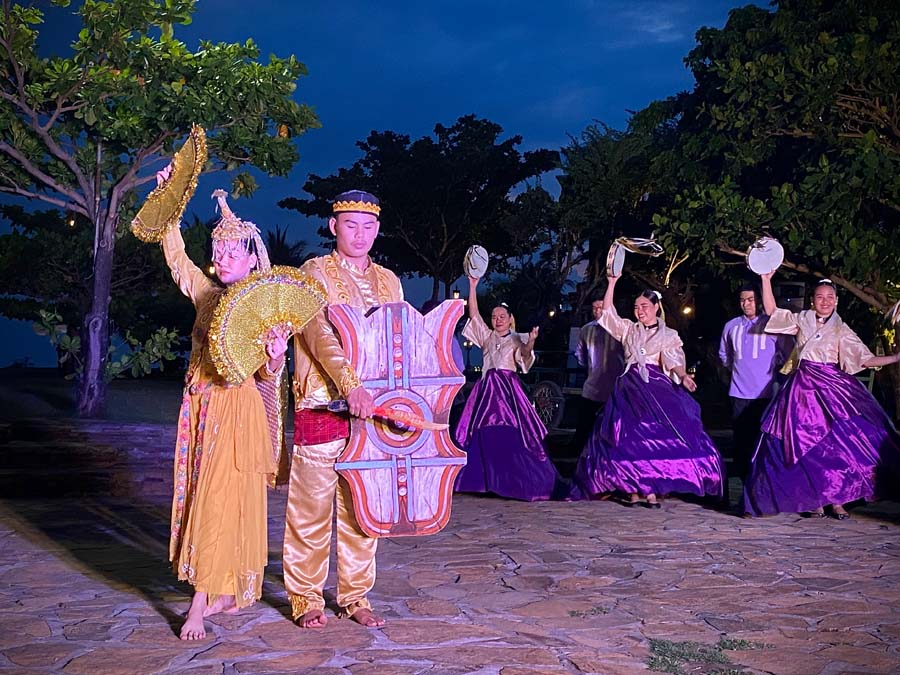
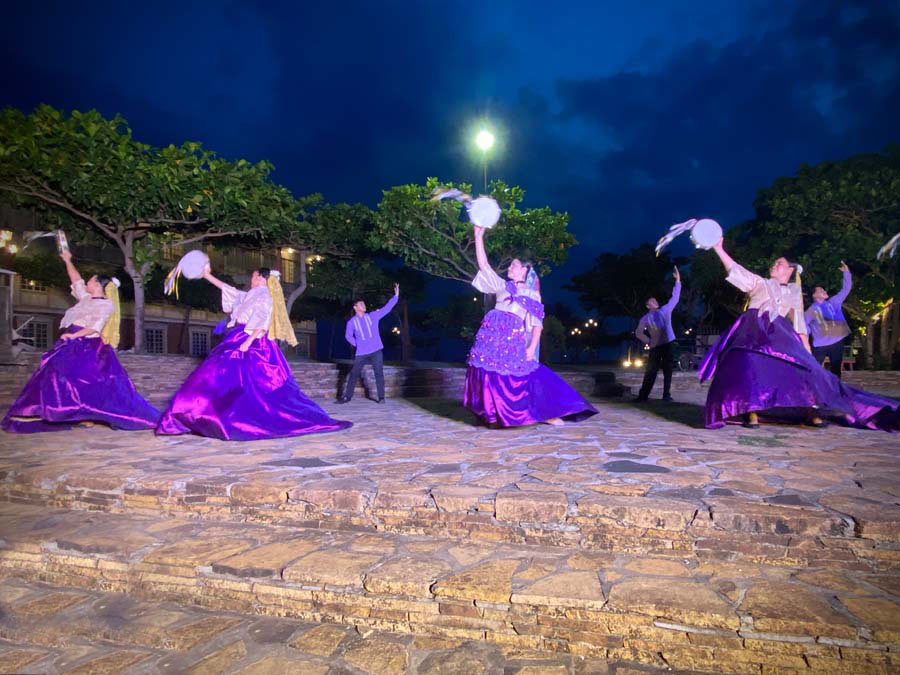
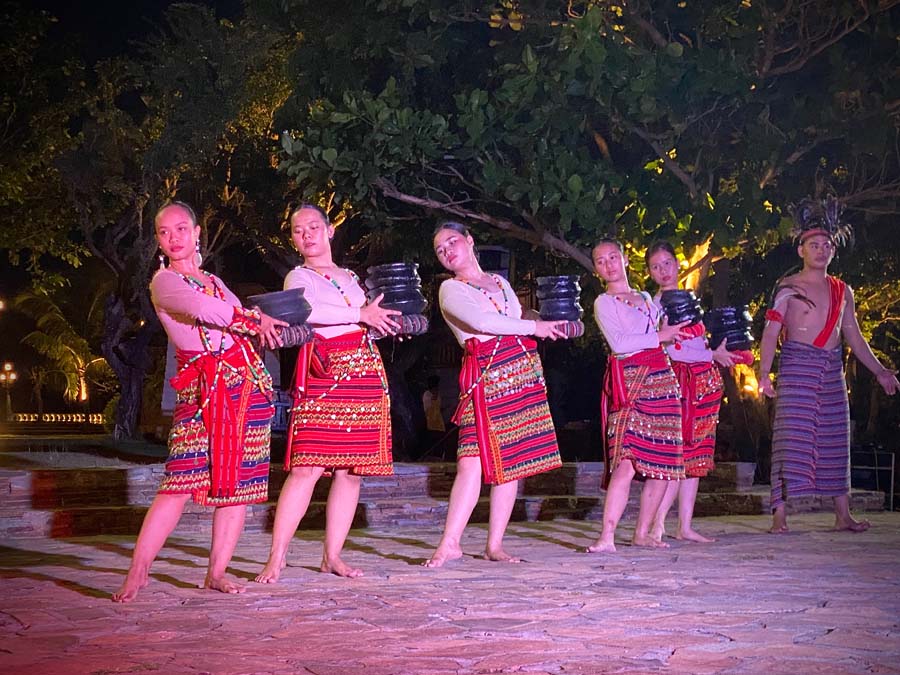
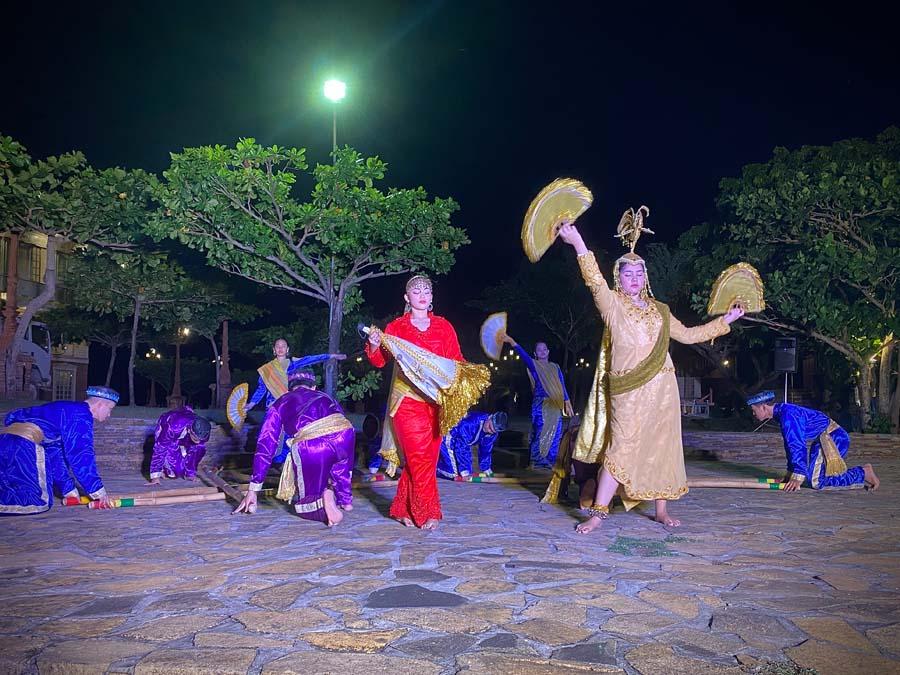
Some of the most beloved dances from the archipelago were performed by local students and out-of-school youth that night – and it was majestic, to say the least!
Tinikling is probably the most popular folk dance in the Philippines. Imagine bamboo poles rhythmically clashing together as dancers nimbly hop and weave between them.
Maglalatik originated from the Tagalogs and features warriors adorned with coconut shells strapped to their bodies. The rhythmic clashing of these shells creates a captivating beat, celebrating both strength and grace.
Cariñosa is a romantic dance about courtship. It showcases the elegance of traditional Philippine movements. Dancers gracefully sway, flirt, and exchange handkerchiefs, capturing the essence of love and longing.
Singkil is inspired by the epic tale of Princess Gandingan, It transports us to the Maranao culture. Dancers nimbly step over bamboo poles, symbolizing the princess’s escape from falling trees during an earthquake.
Hailing from Leyte, Kuratsa is a lively dance performed during celebrations. Couples twirl and sway, their footwork echoing the joyous rhythm of life.
Picture dancers balancing oil lamps on their heads and hands, creating mesmerizing patterns of light. That’s Pandanggo sa Ilaw. It pays homage to the grace and resilience of Filipino women.
Originating from the Kalinga tribe, Banga celebrates the strength of women who carry heavy water jars on their heads. The dancers mimic these movements, showcasing their endurance and resilience.
A Spanish-influenced dance, La Jota Moncadeña combines European flair with Filipino zest. It’s a lively waltz that captures the fusion of cultures.
Tayaw is an Igorot wedding dance and celebrates love and union. Dancers sway, their colorful attire reflecting the festive spirit of marriage.
From Batangas, Alitaptap imitates an insect that flies only at night, carrying a lamp. Dancers move gracefully, their steps echoing the mysterious beauty of the night.
Filipino folk dances seems more than just choreography to me. They’re truly a testament to the resilience, creativity, and unity of the Filipino people. They remind us that their culture is a living, breathing art form.

















































































 Chris Alma José