
During my visit to the Philippines a few weeks ago, my family and I went to Las Casas Filipinas de Acuzar, a Philippine heritage site. What an adventure it was! Allow me to share a little bit of my experience with you.
Las Casas Filipinas de Acuzar, if you don’t know, is a hidden gem located along the coast of Bagac, Bataan, Philippines. As one who loves exploring historical sites, I was in for a delightful surprise when we drove through its gates and around the cul-de-sac of the welcome center.

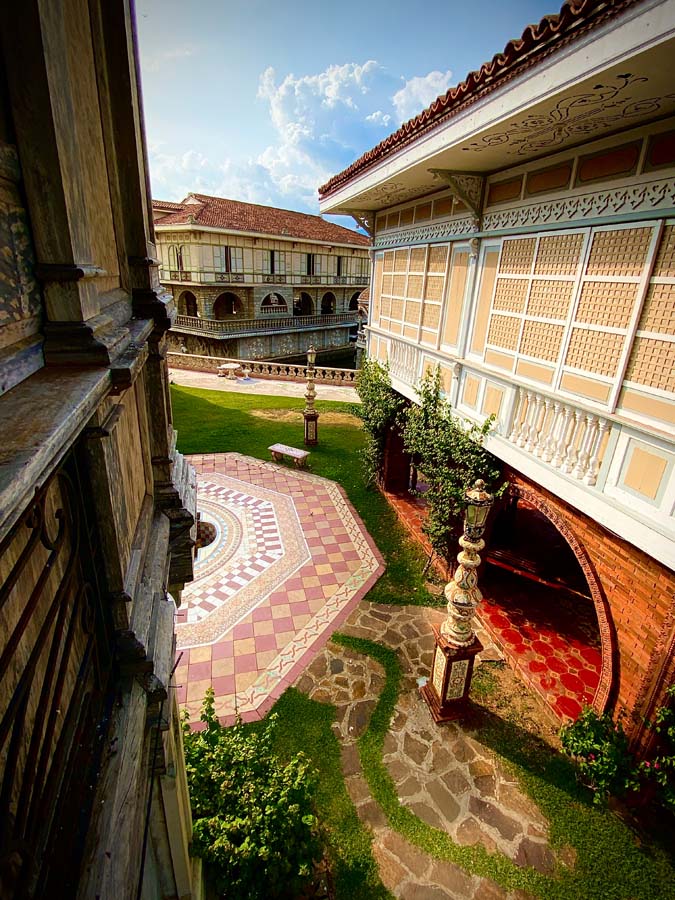
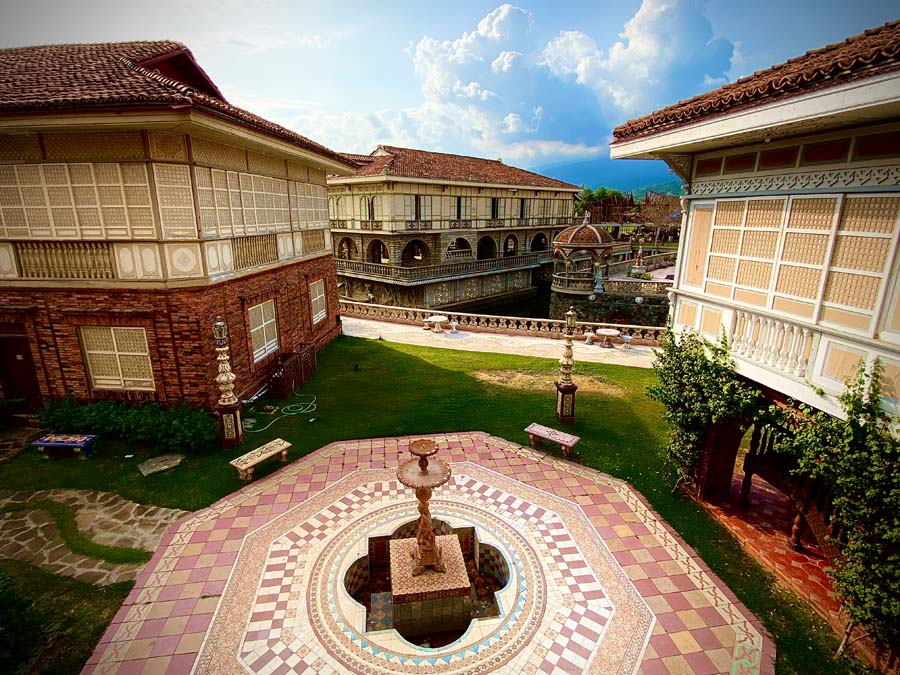
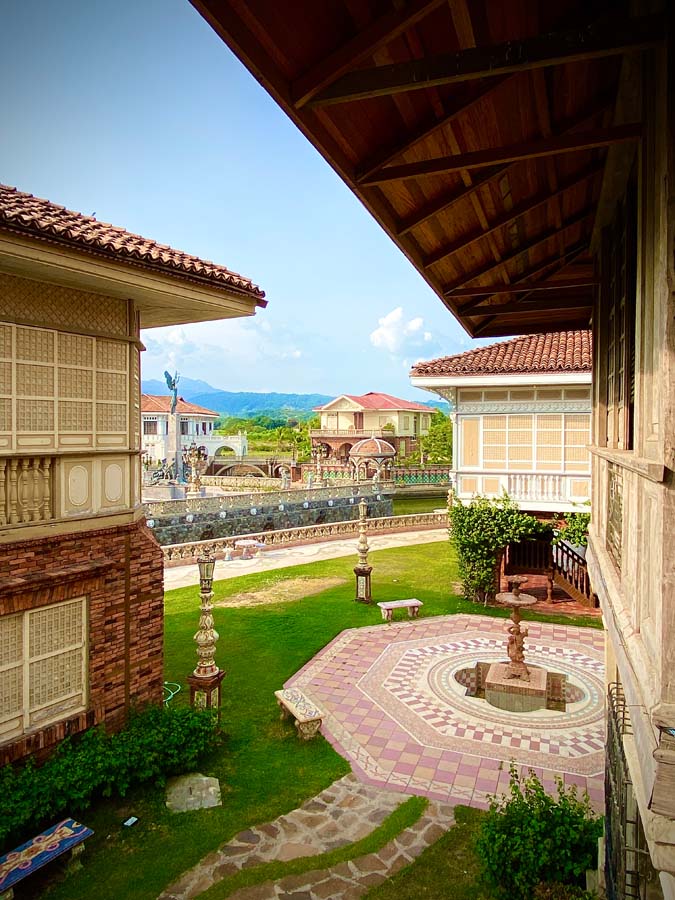
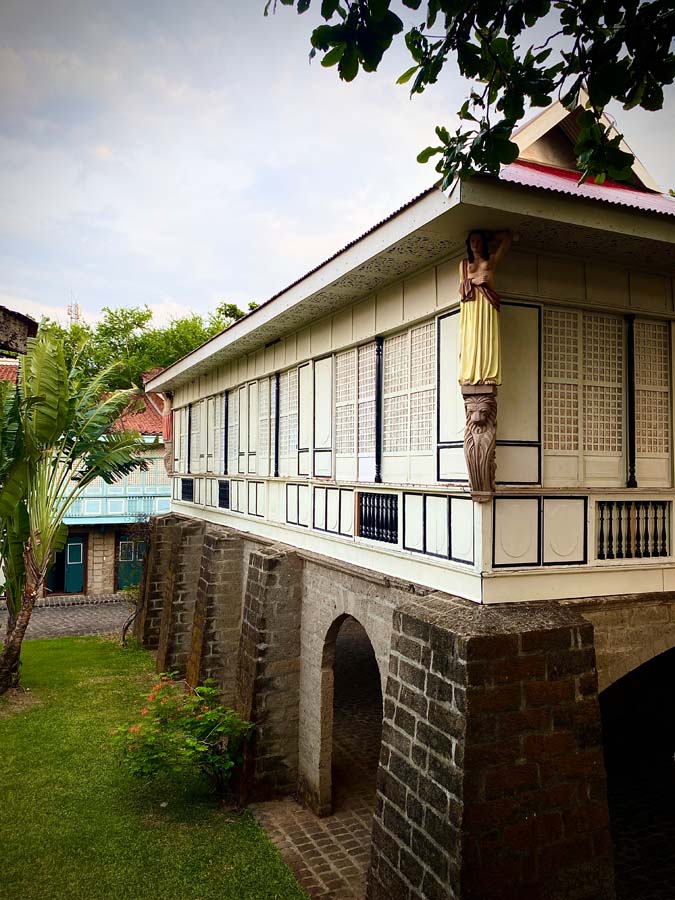
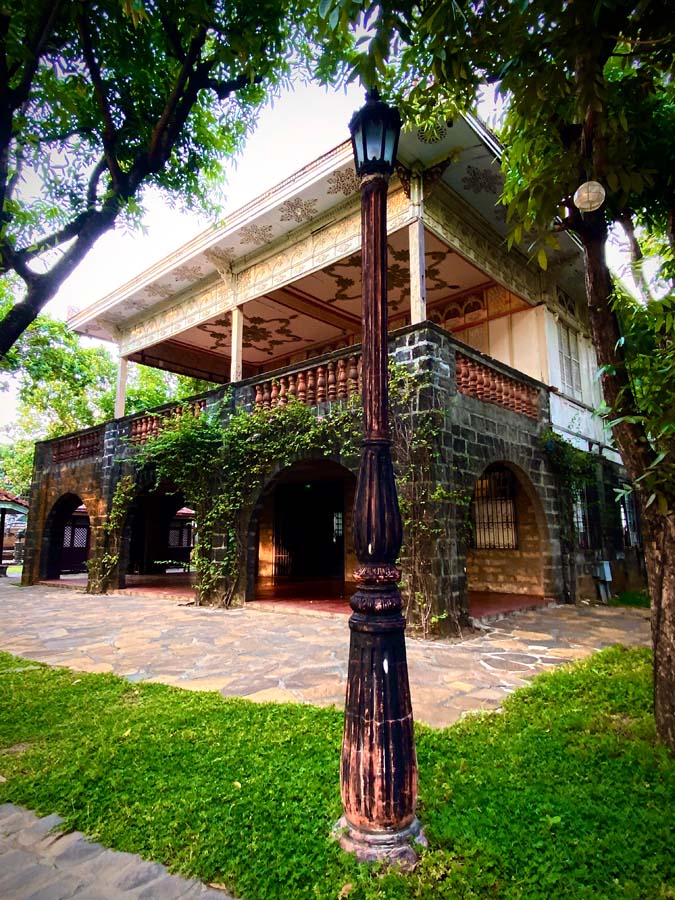
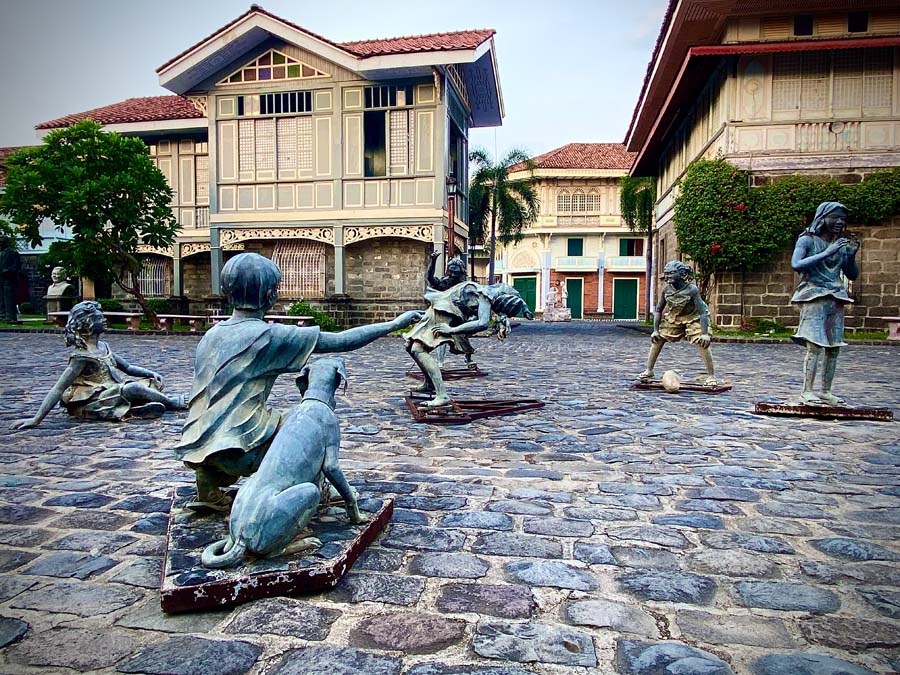
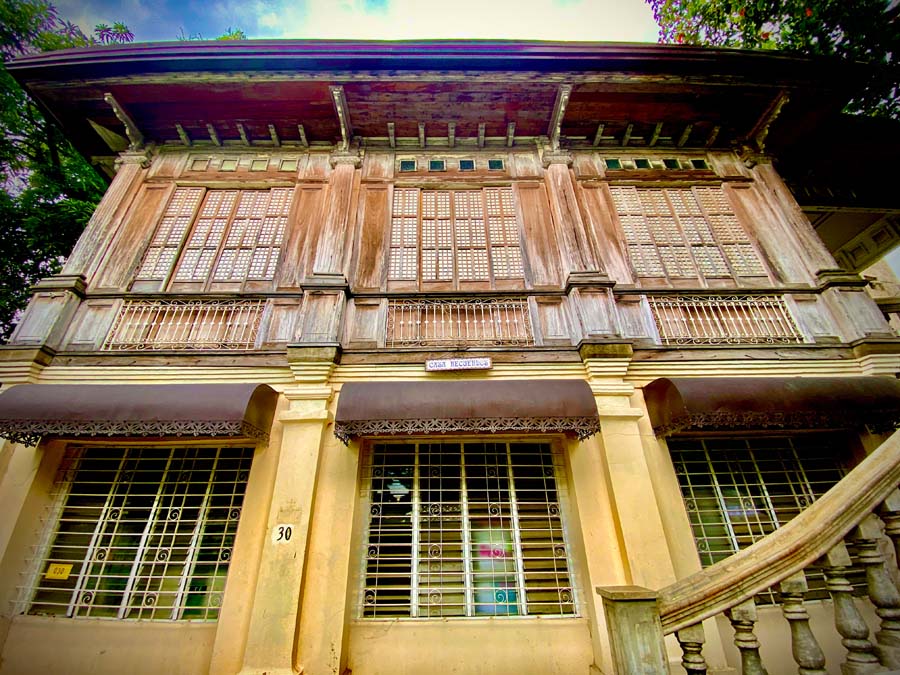
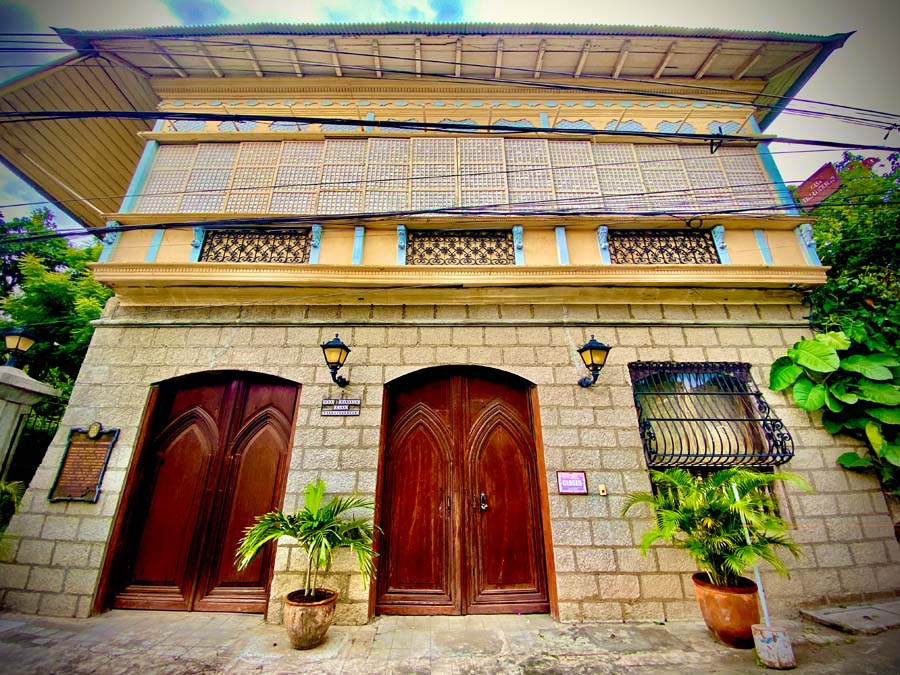
Spanish-era stone houses transported from different parts of Luzon are the heart of Las Casas. Each house has a story to tell. Casa Biñan, once home to Jose Rizal’s mother, Teodora Alonzo, witnessed gripping family dramas. Casa Lubao’s distinct green interior owes its fortune to a Japanese colonel who saved it from demolition during the war. And Casa Candaba, one of the oldest structures, served as a film setting for Noli Me Tangere.




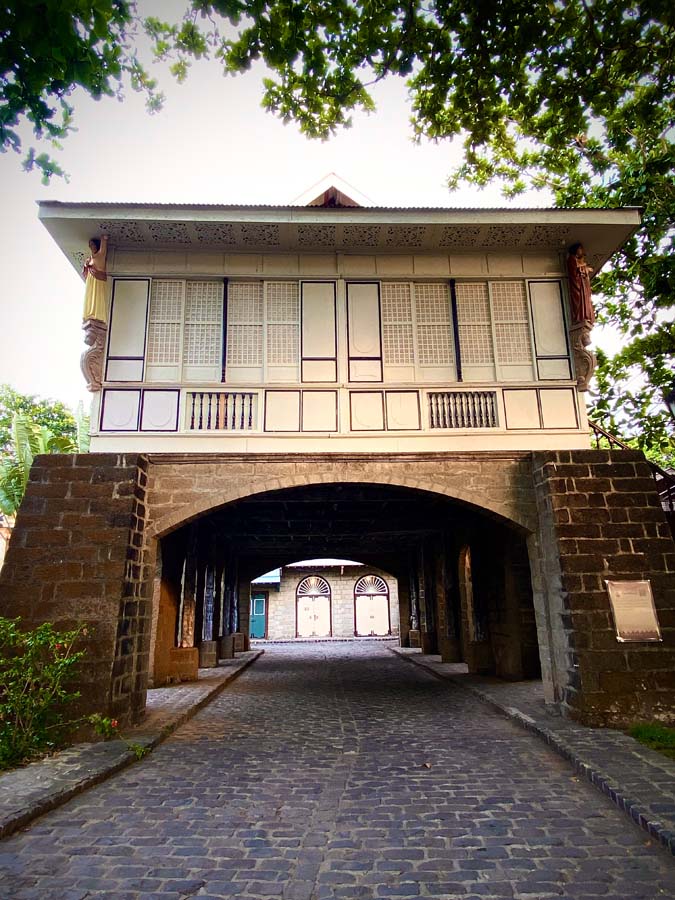

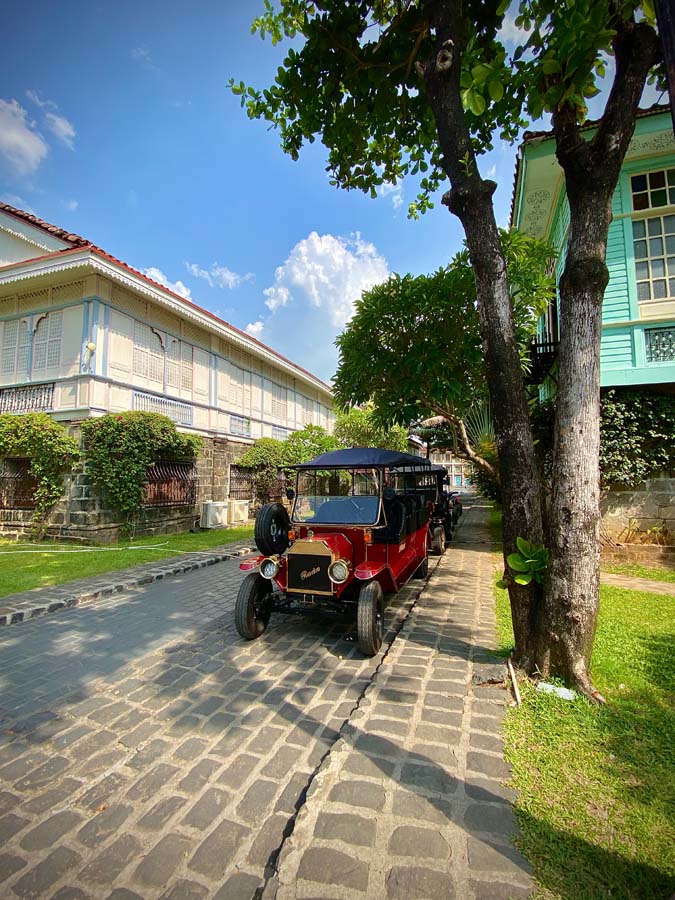
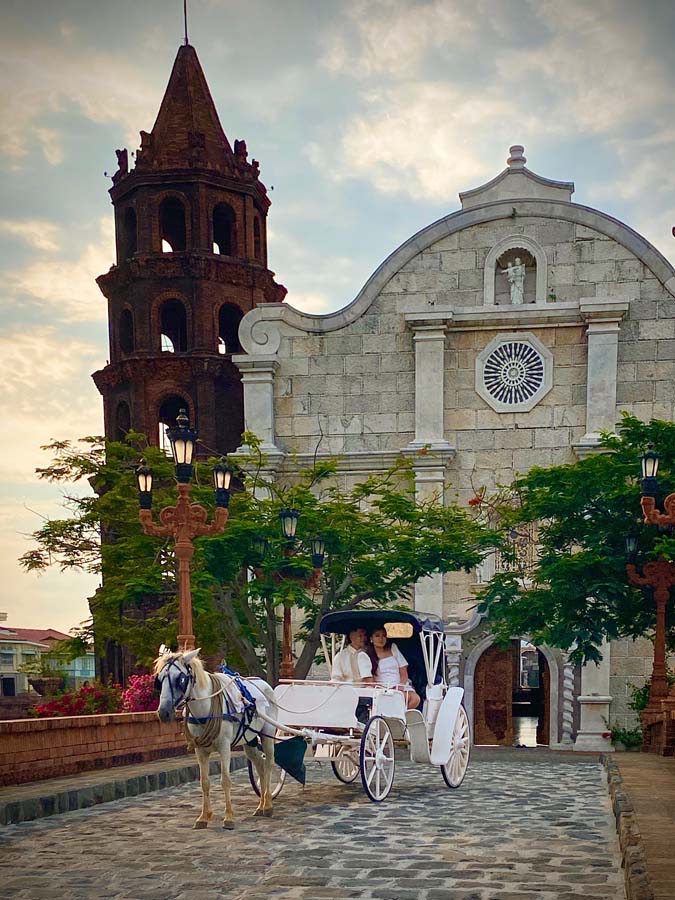
My family and I embrace the nostalgia by taking a ride in a traditional horse-drawn calesa. Clip-clopping through cobblestone streets, it felt like I’ve stepped back in time.


We also rode the jeepney to see spots too far for the calesa take us to.


But the best part was the boat ride. This afforded us unique views of the magnificence that is Las Casas. We saw the property from an angle we would not have otherwise seen. The sights were endless, so Instead of listing every one of them, I will just let the photos below do the talking.
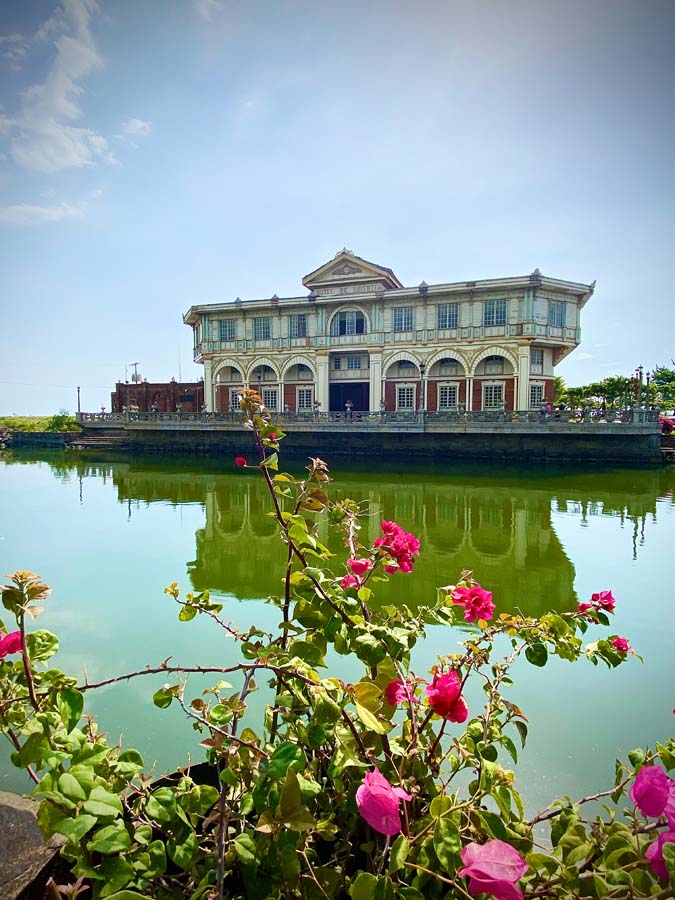
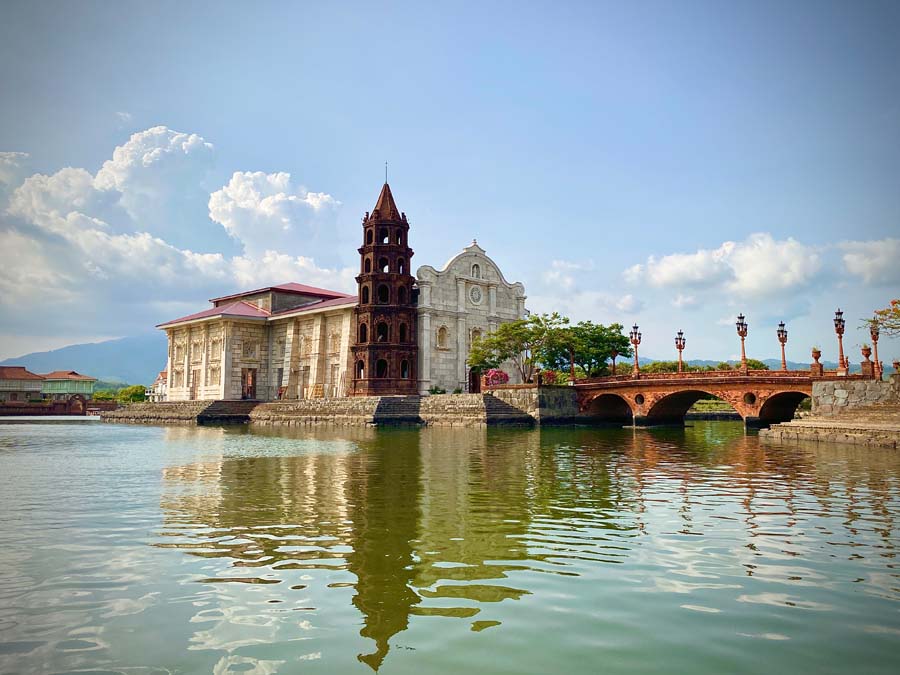

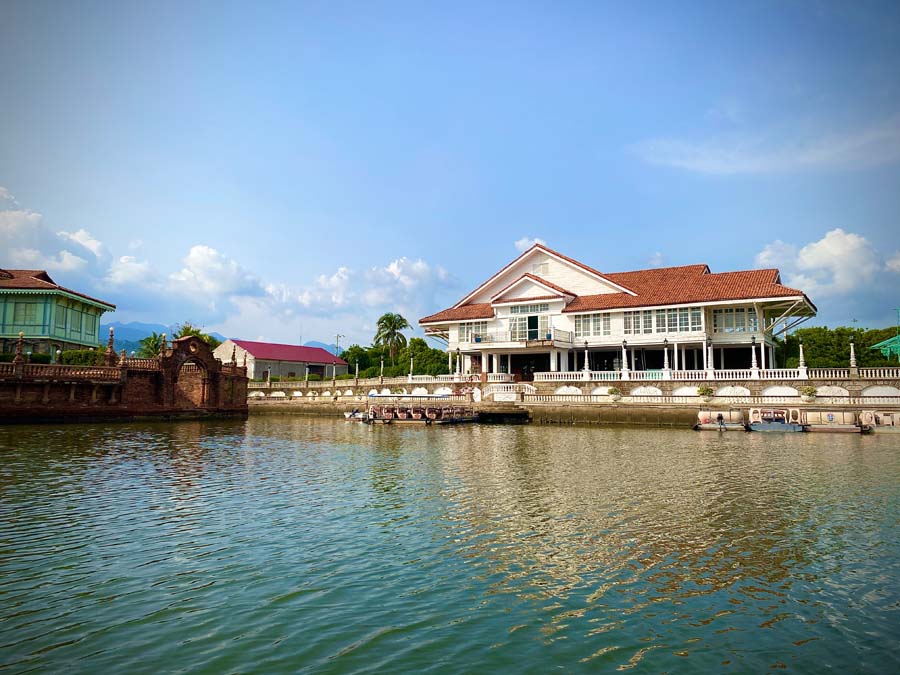


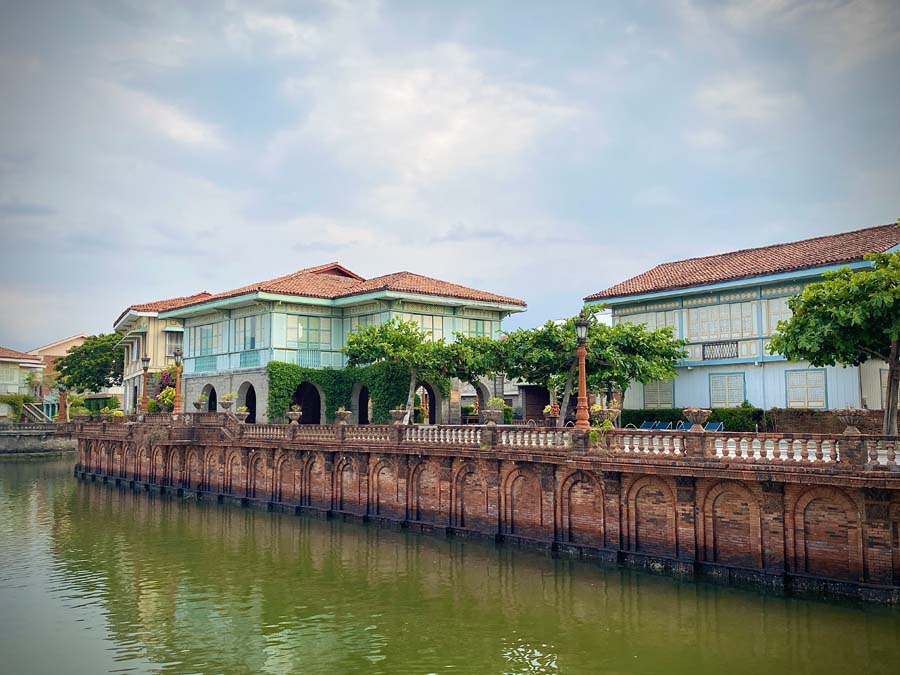



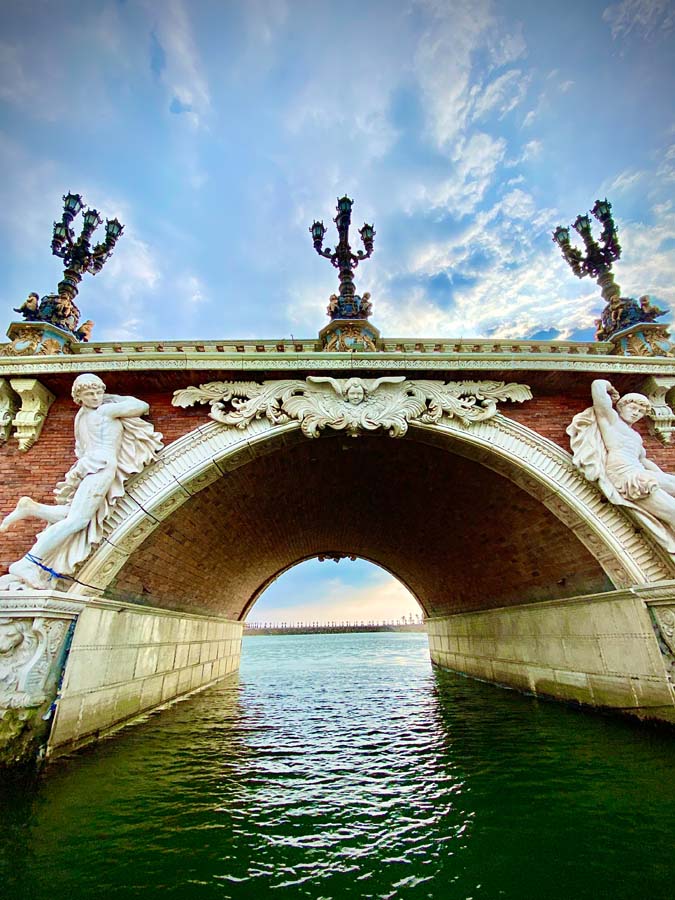
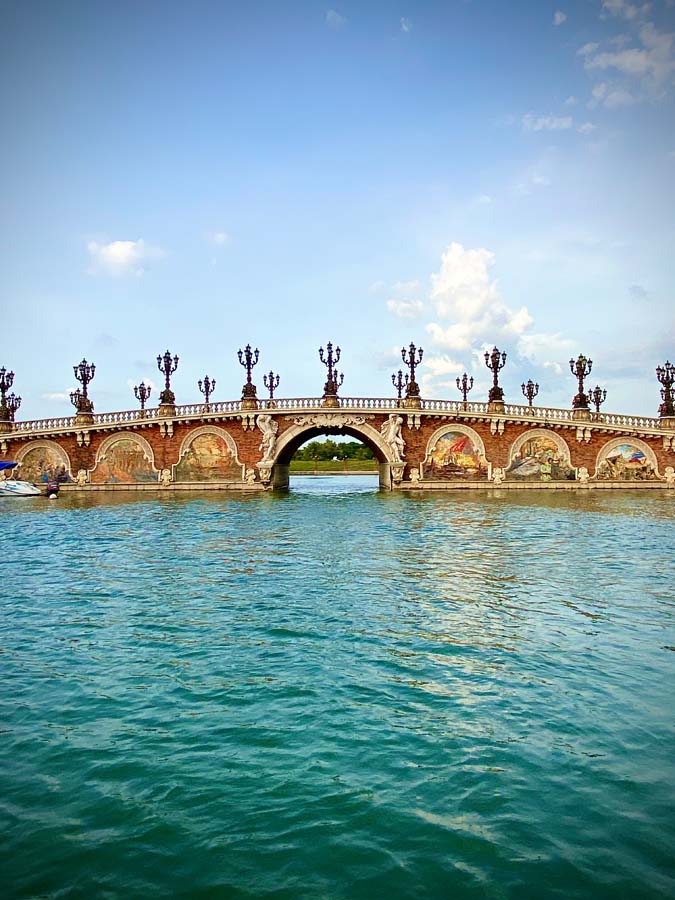


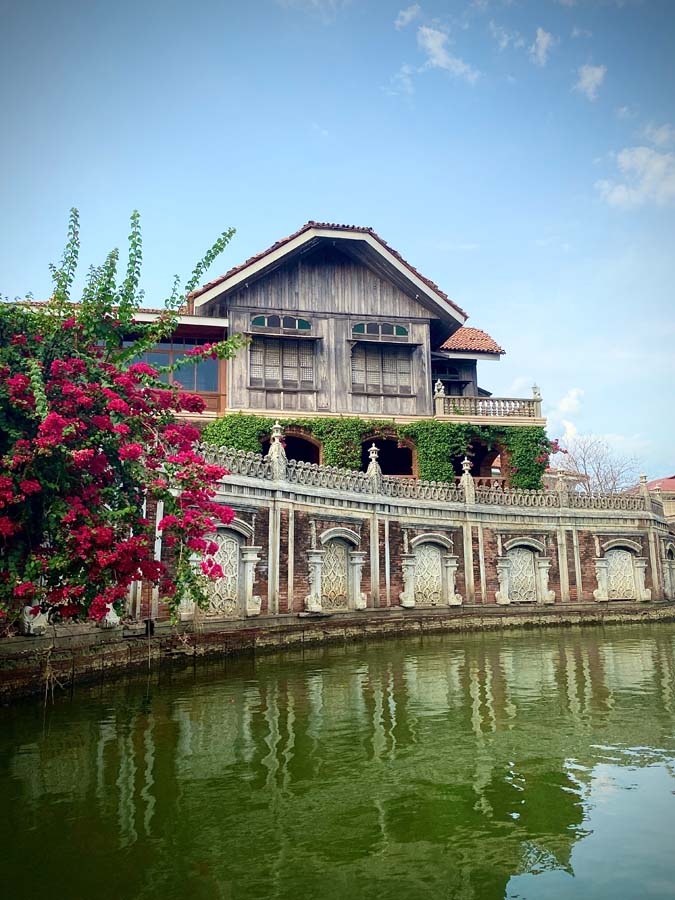

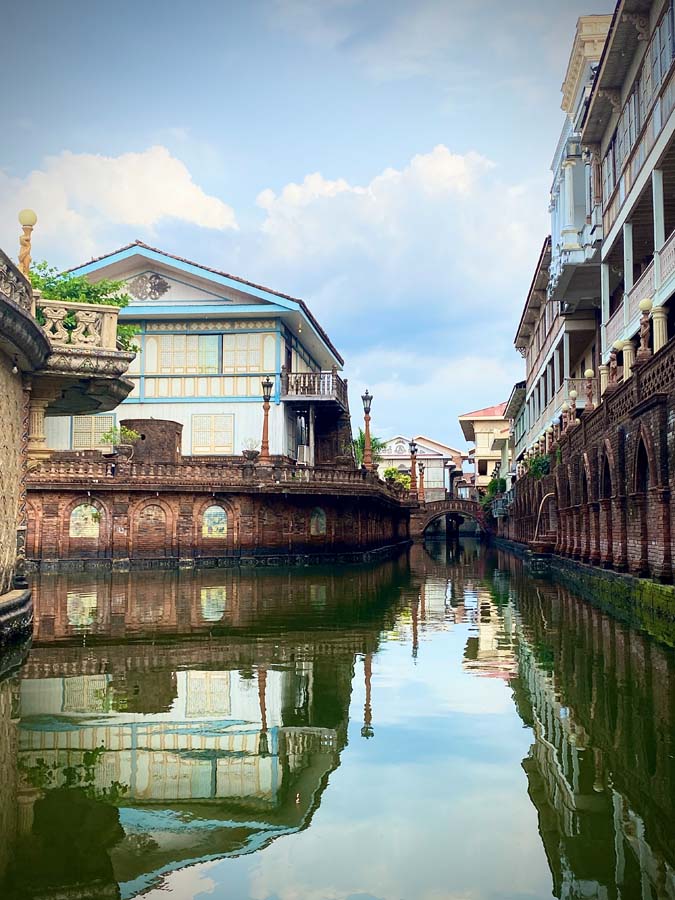

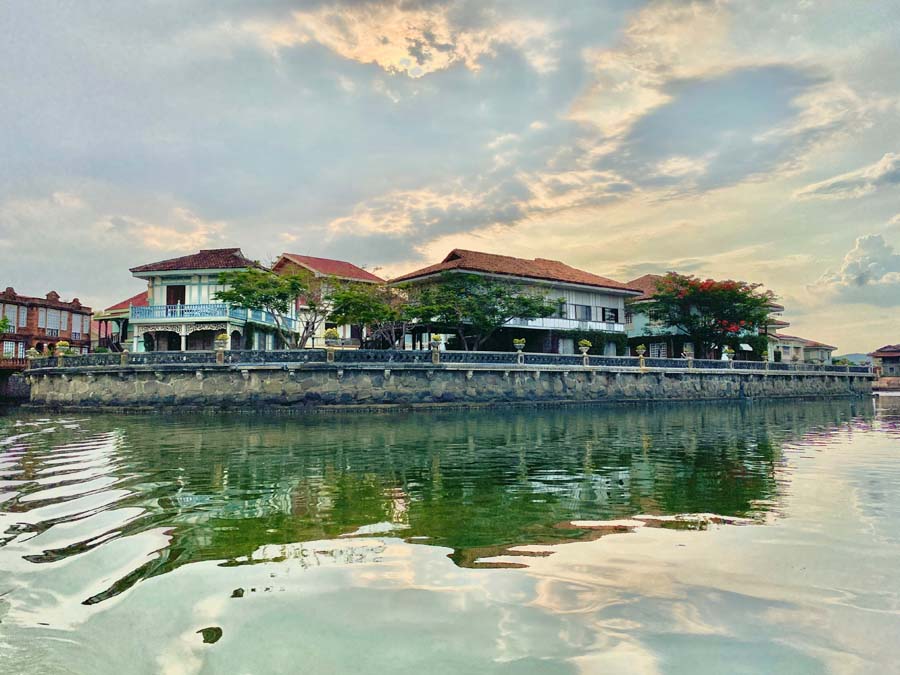

Whew! That was quite a ride!
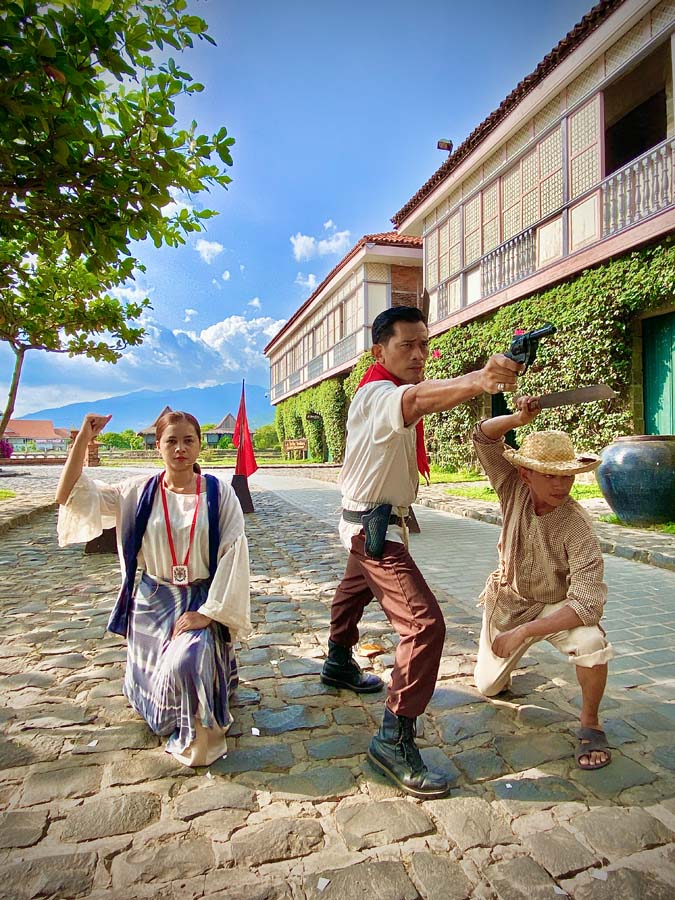
Once we got out of the boat, we were then treated to an amazing show. A re-enactment of the Philippine Revolution at the end of the 19th century. I really loved that!


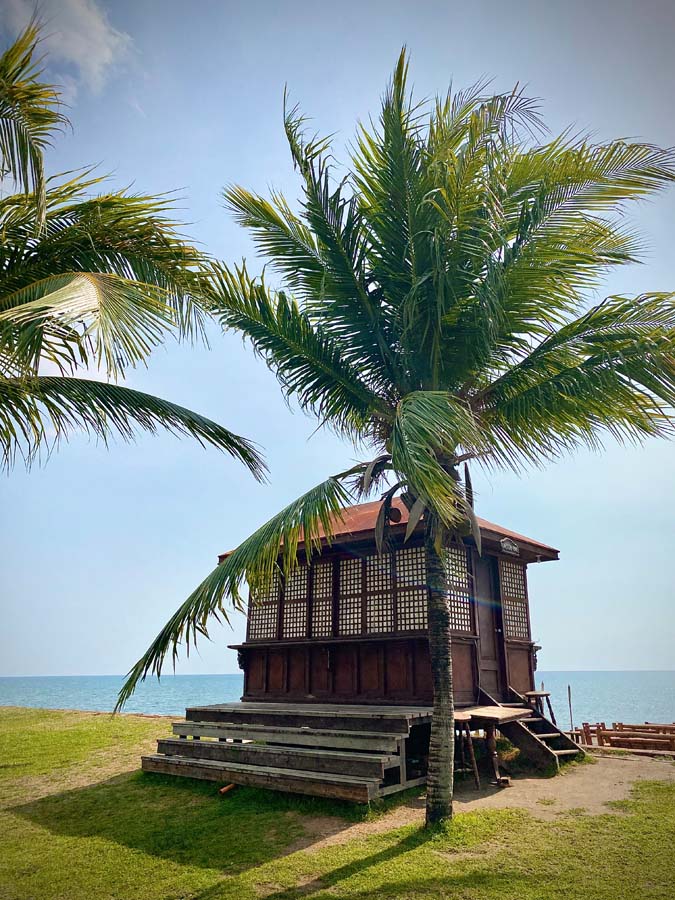
Las Casas also offers a pristine beach where you can unwind, swim, and enjoy the sun. However, we didn’t have a lot of time so we skipped this part. For now, anyway.
This beach, by the way, could be one of the prettiest you’ll ever see anywhere. The view is breathtaking! I wish I could’ve taken more photos of it. I don’t know why I didn’t. Ha ha! Anyway, here’s one…
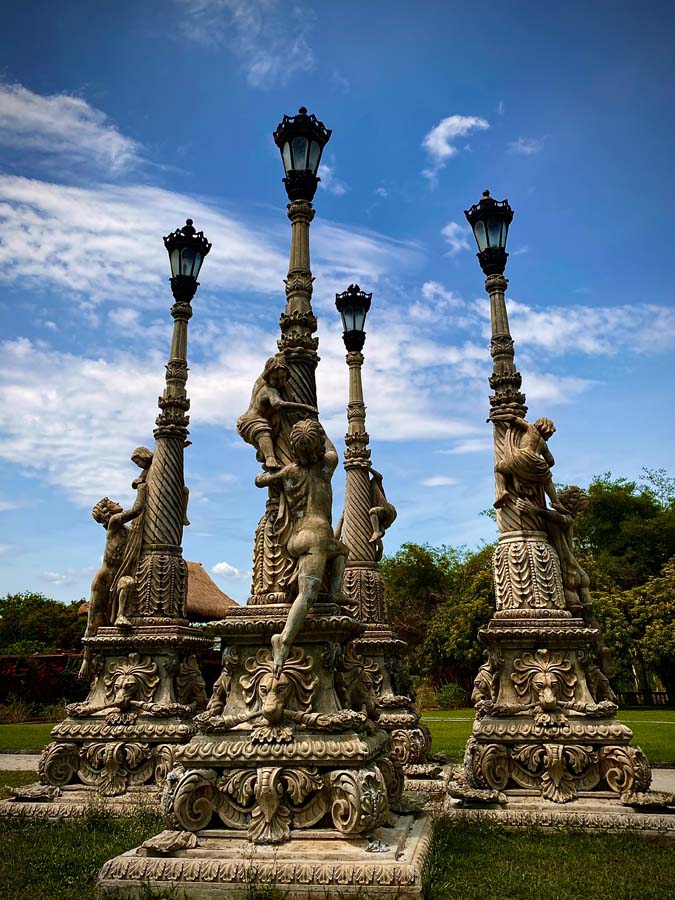
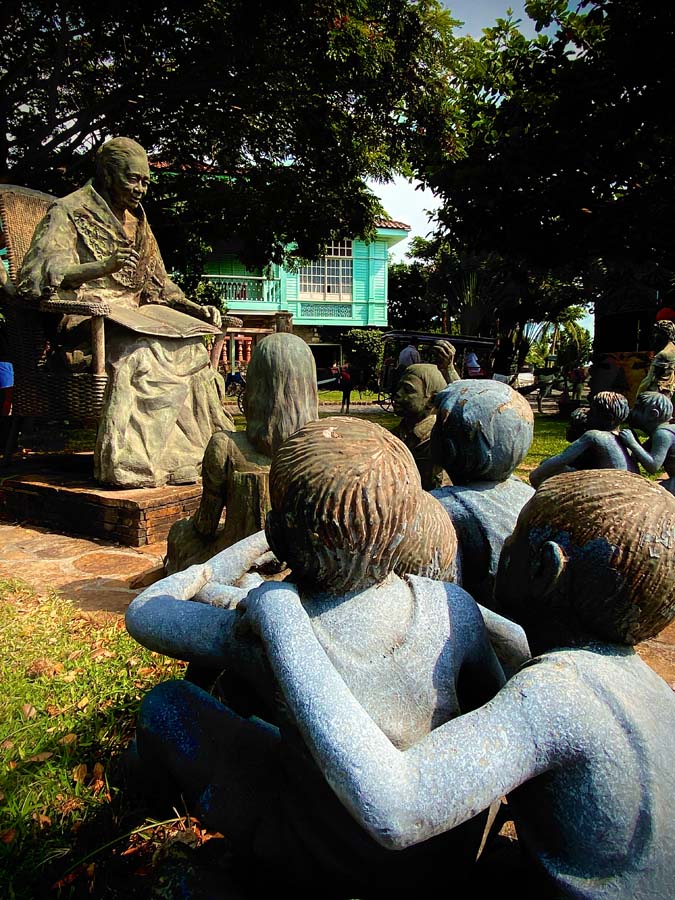
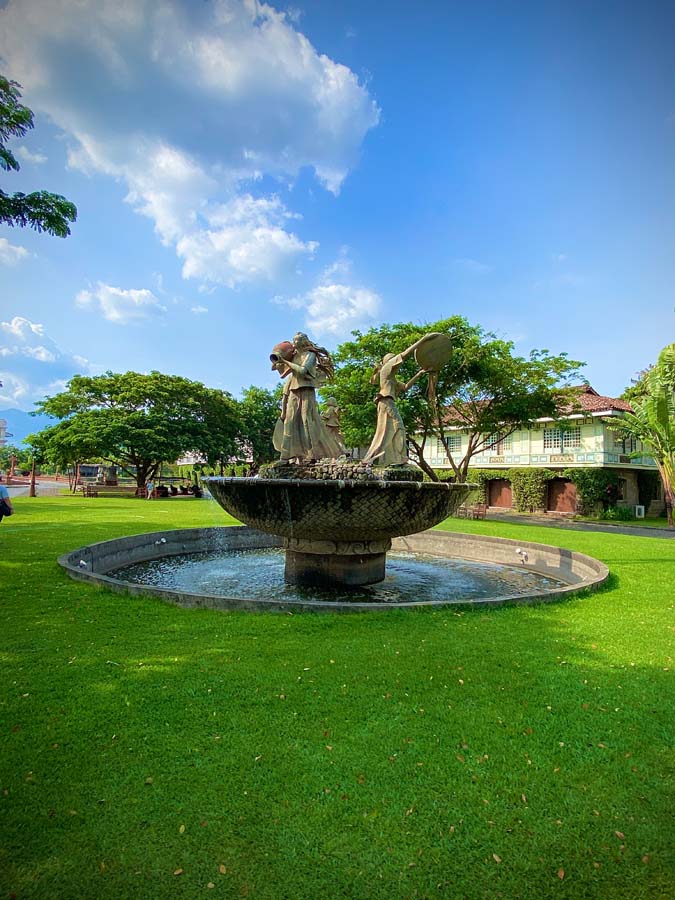
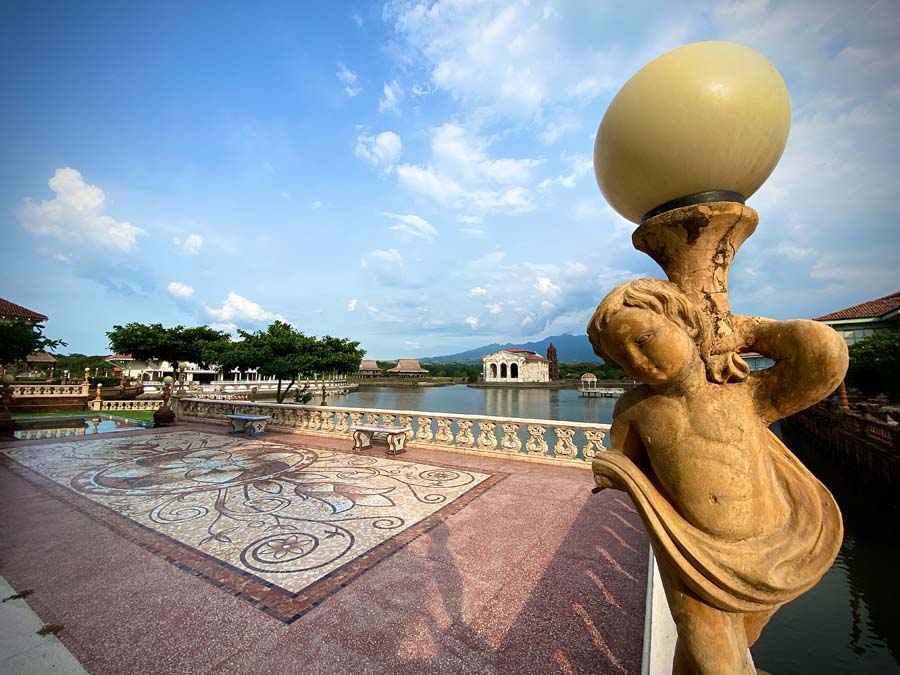
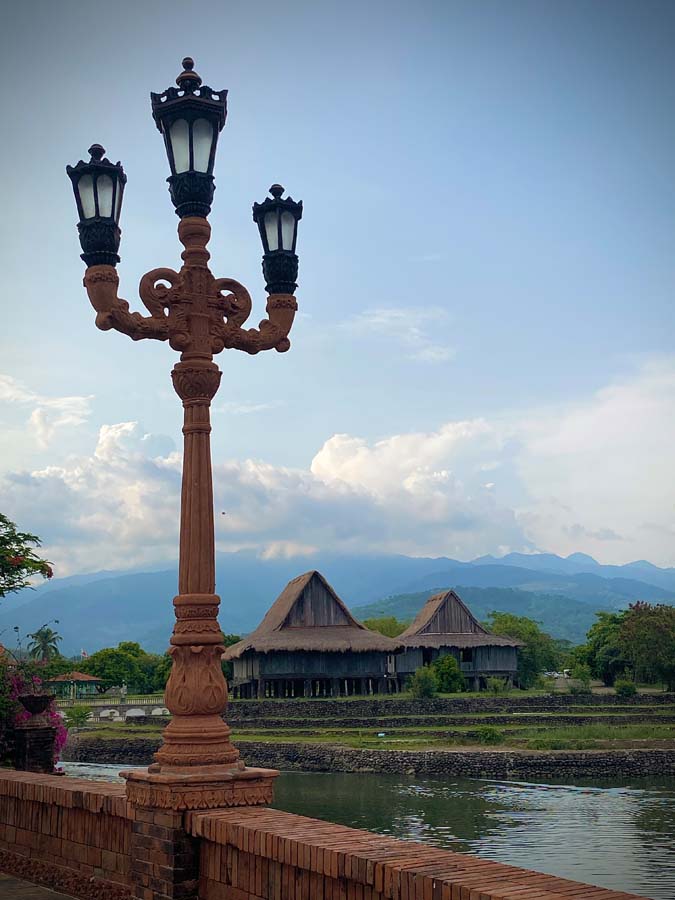
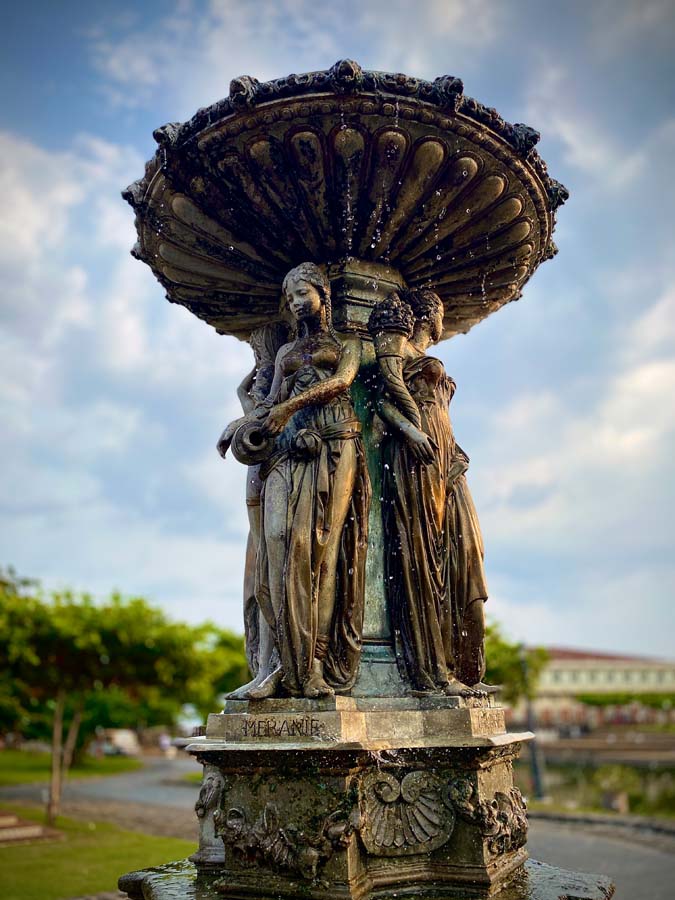
Amidst the historical charm, Las Casas also surprises with a mix of classical and modern art installations. The fusion of old and new. Feast your eyes on the magnificent array of fountains, sculptures, lamp posts, architectural design both interior and exterior, and even strange looking palm trees that resemble a fan!
My curiosity led to a quick search. According to Wikipedia, it is the ravenala madagascariensis. It is commonly known as the traveller’s tree, traveller’s palm or East-West palm, and is a species of monocotyledonous flowering plant found in Madagascar. It is not a true palm but a member of the family Strelitziaceae. So there you go…





As we were strolling along, we happened upon a wedding photo op! How cool is that?

And as the sun gently dipped below the horizon, we marveled at the rows of light as they gradually powered over through the darkening sky. Such a magical panorama!

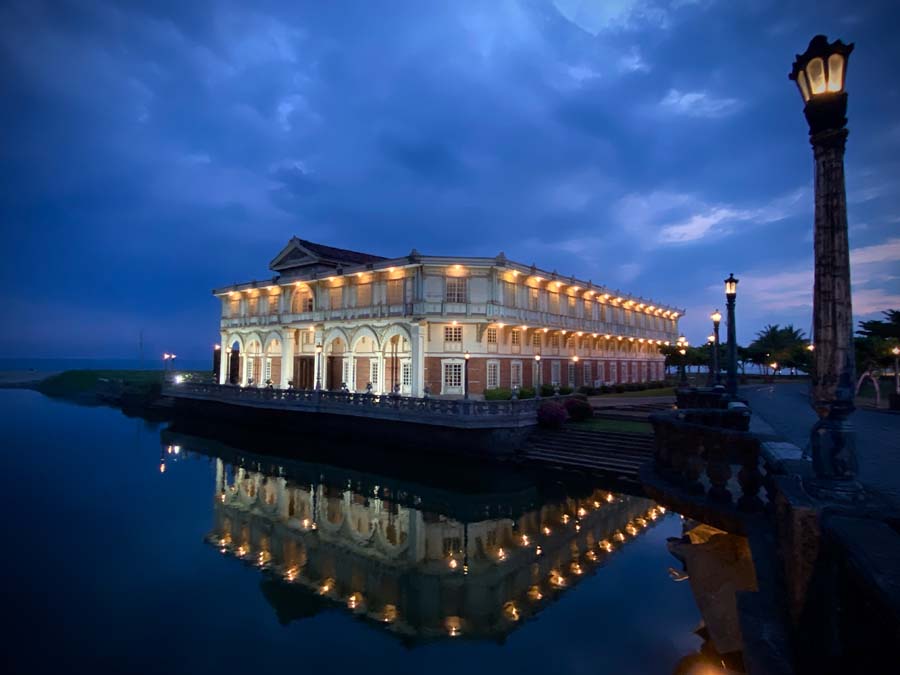
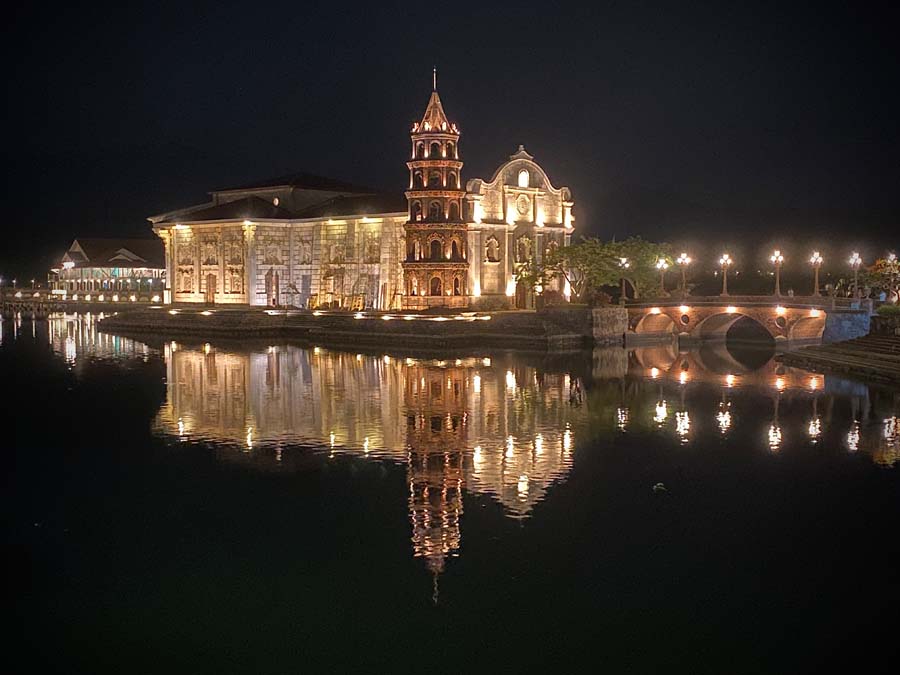
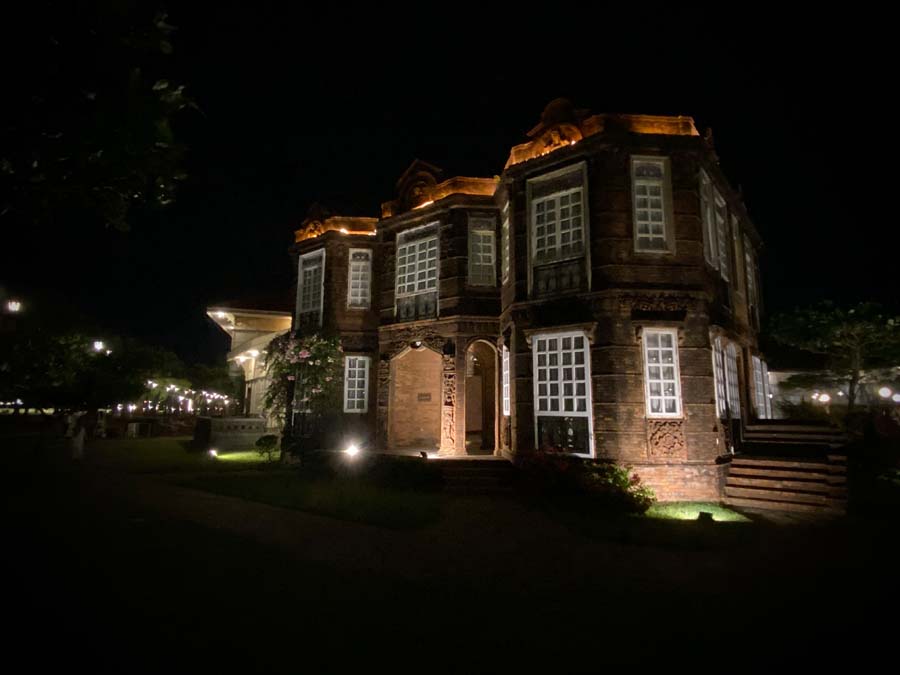


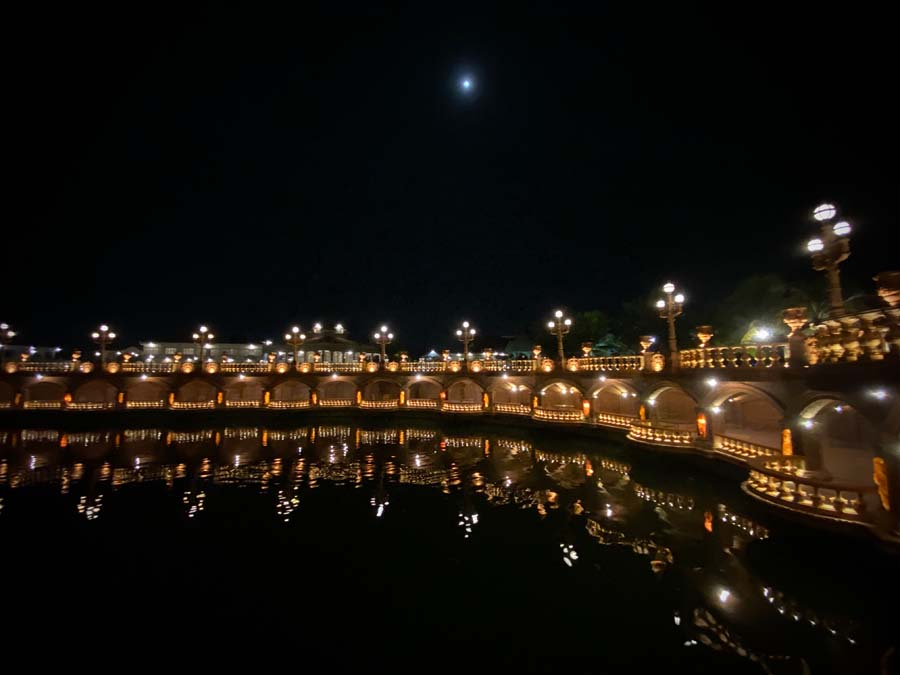
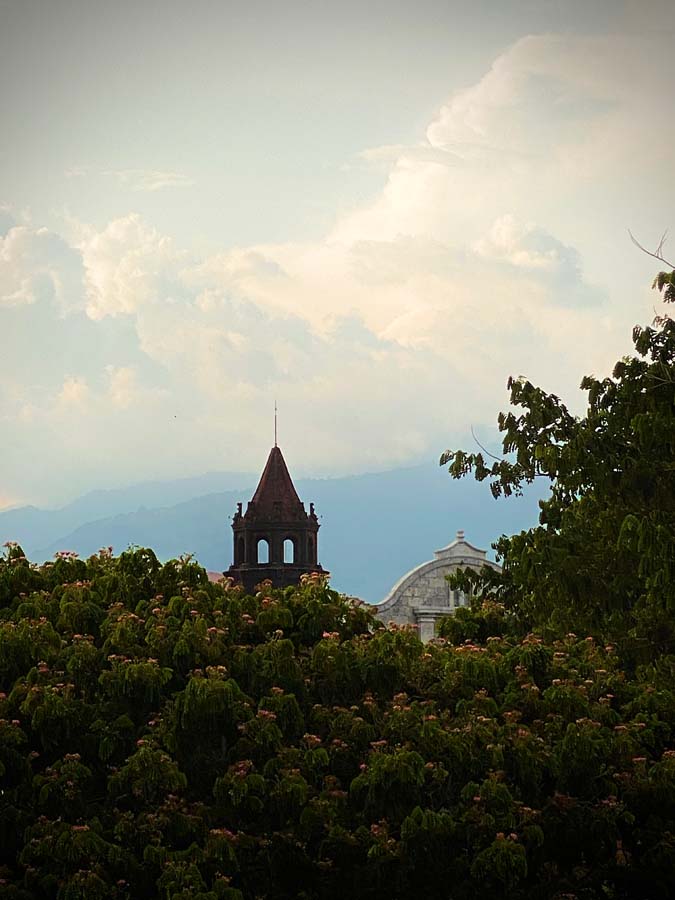
The restoration efforts that brought these heritage houses to life are awe-inspiring. It’s a reminder that preserving the past is both a collective endeavor as well as a worthwhile effort.
Las Casas Filipinas de Acuzar is a journey through time. Whether you’re a history enthusiast, a beach lover, an art aficionado or someone simply seeking a unique experience, this place is sure to leave an indelible mark on you.
So, do yourself a favor and check it out, if you can.


















 Chris Alma José