Folk Dancing in the Moonlight

This post is a follow-up to my previous blog about Las Casas. I did not mention the part about the evening show they put on because it’s so great it deserves a spotlight all its own.

The Philippines, with its vibrant culture and rich heritage, boasts a dazzling array of native and folk dances. These rhythmic expressions have been passed down through generations, each telling a unique story and offering a glimpse into the Filipino spirit.

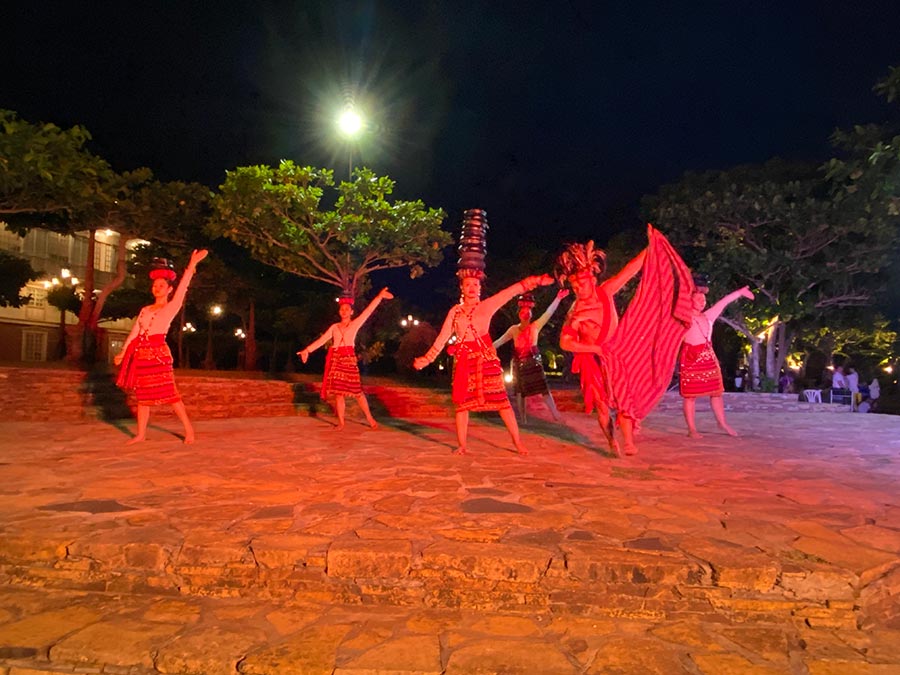
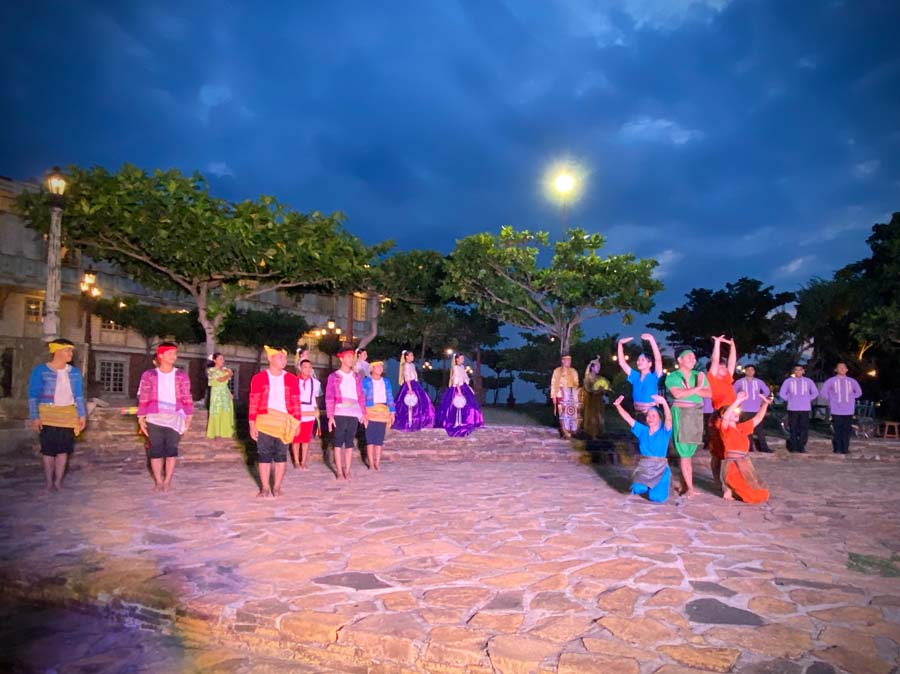
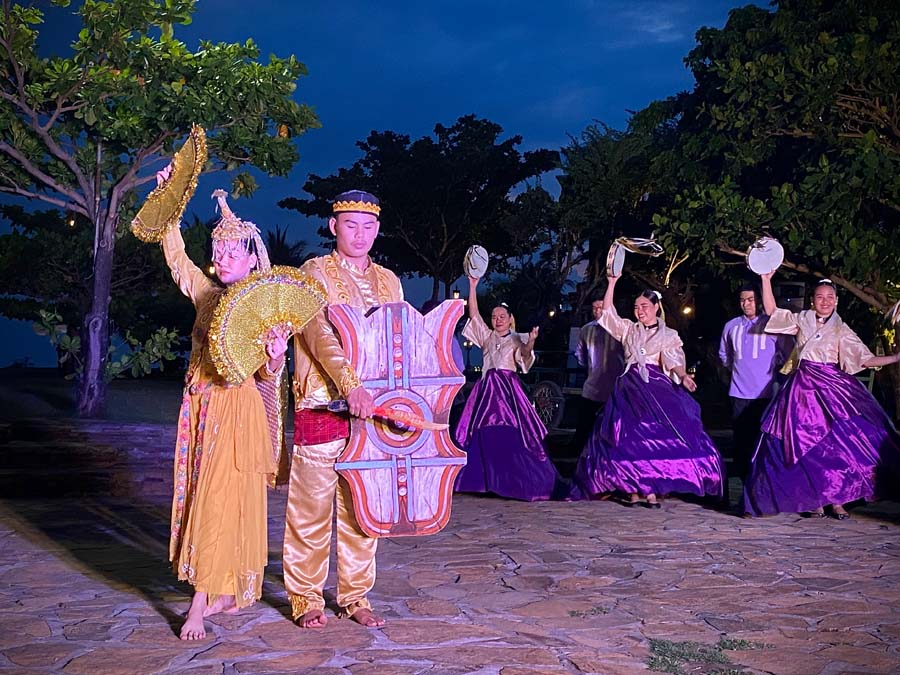
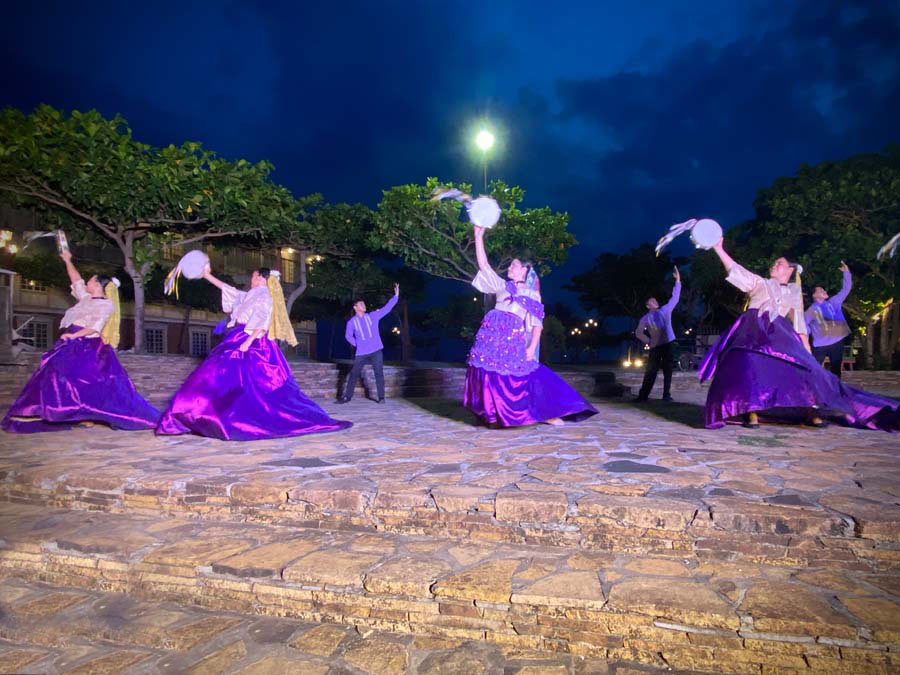
Some of the most beloved dances from the archipelago were performed by local students and out-of-school youth that night – and it was majestic, to say the least!
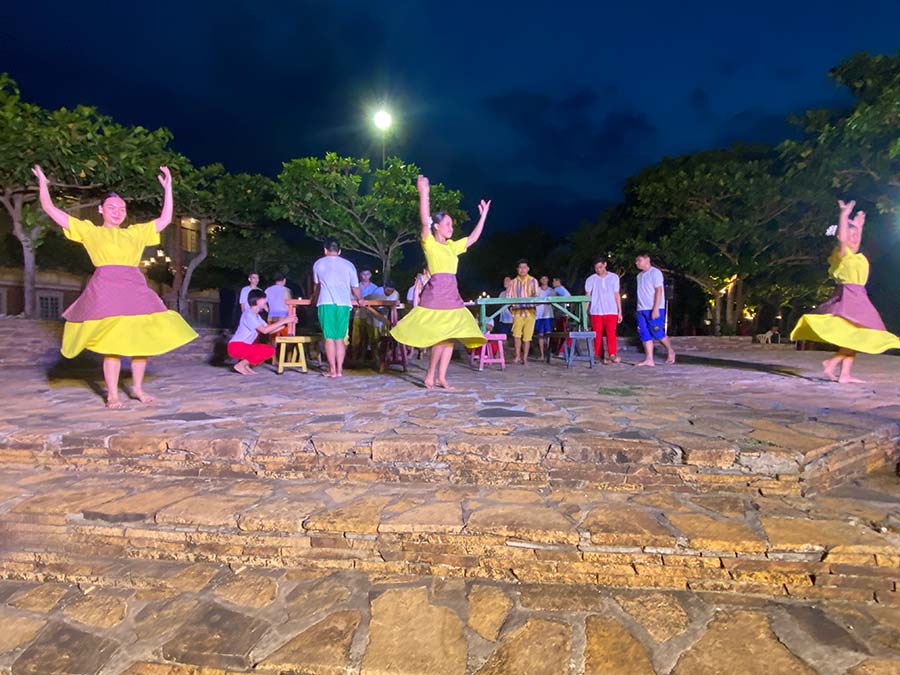
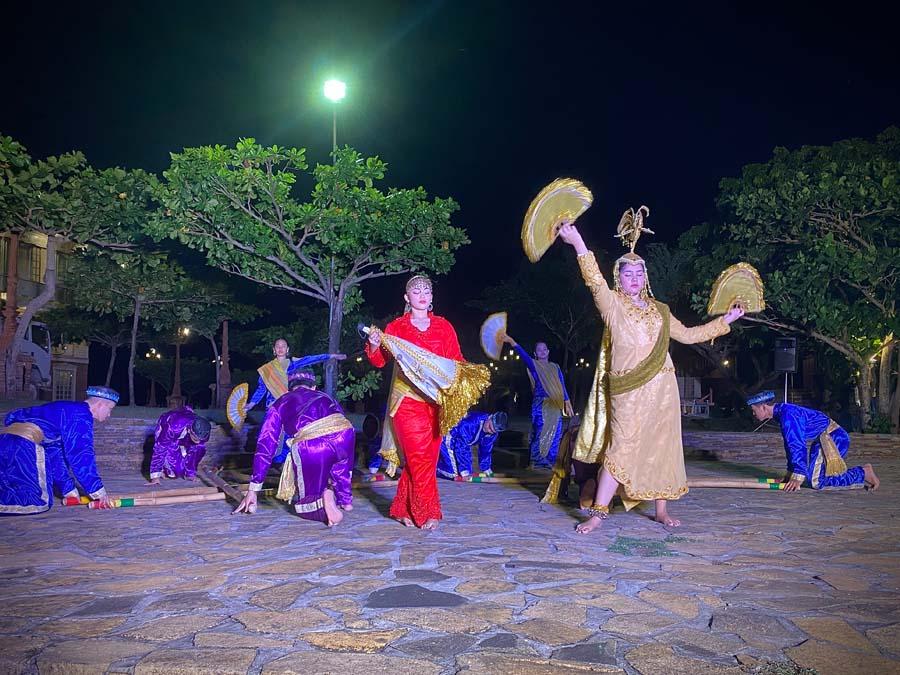
Tinikling is probably the most popular folk dance in the Philippines. Imagine bamboo poles rhythmically clashing together as dancers nimbly hop and weave between them.

Maglalatik originated from the Tagalogs and features warriors adorned with coconut shells strapped to their bodies. The rhythmic clashing of these shells creates a captivating beat, celebrating both strength and grace.

Cariñosa is a romantic dance about courtship. It showcases the elegance of traditional Philippine movements. Dancers gracefully sway, flirt, and exchange handkerchiefs, capturing the essence of love and longing.

Singkil is inspired by the epic tale of Princess Gandingan, It transports us to the Maranao culture. Dancers nimbly step over bamboo poles, symbolizing the princess’s escape from falling trees during an earthquake.

Hailing from Leyte, Kuratsa is a lively dance performed during celebrations. Couples twirl and sway, their footwork echoing the joyous rhythm of life.

Picture dancers balancing oil lamps on their heads and hands, creating mesmerizing patterns of light. That’s Pandanggo sa Ilaw. It pays homage to the grace and resilience of Filipino women.

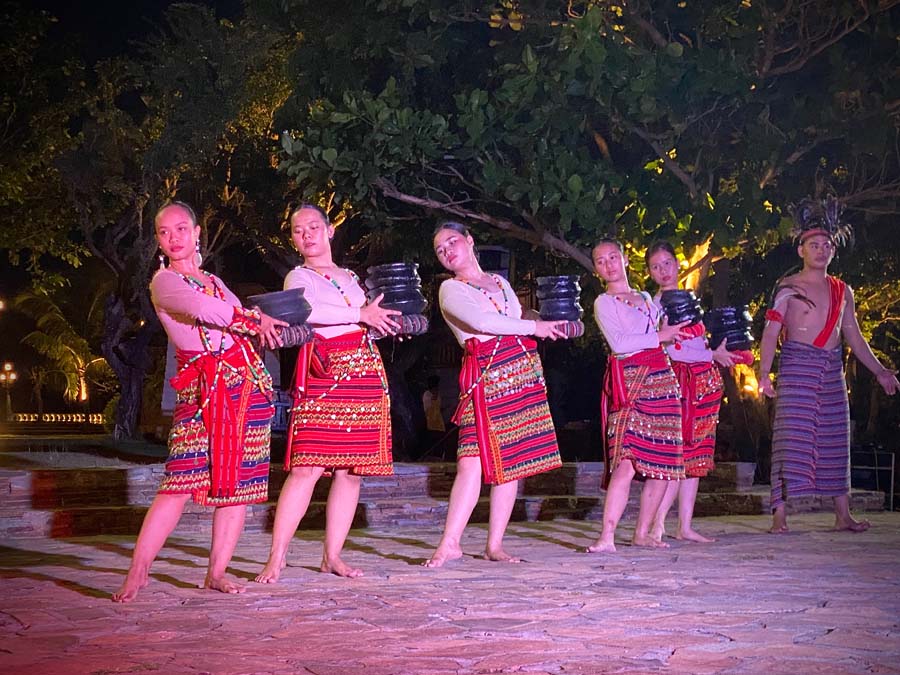
Originating from the Kalinga tribe, Banga celebrates the strength of women who carry heavy water jars on their heads. The dancers mimic these movements, showcasing their endurance and resilience.

A Spanish-influenced dance, La Jota Moncadeña combines European flair with Filipino zest. It’s a lively waltz that captures the fusion of cultures.

Tayaw is an Igorot wedding dance and celebrates love and union. Dancers sway, their colorful attire reflecting the festive spirit of marriage.

From Batangas, Alitaptap imitates an insect that flies only at night, carrying a lamp. Dancers move gracefully, their steps echoing the mysterious beauty of the night.

Filipino folk dances seems more than just choreography to me. They’re truly a testament to the resilience, creativity, and unity of the Filipino people. They remind us that their culture is a living, breathing art form.

Nostalgia and Charm

During my visit to the Philippines a few weeks ago, my family and I went to Las Casas Filipinas de Acuzar, a Philippine heritage site. What an adventure it was! Allow me to share a little bit of my experience with you.
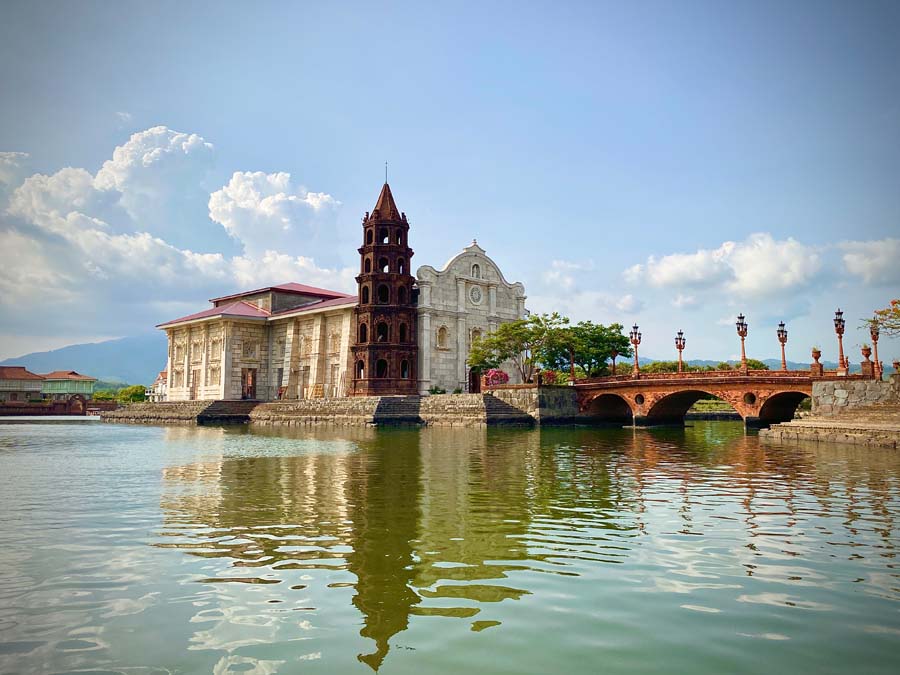
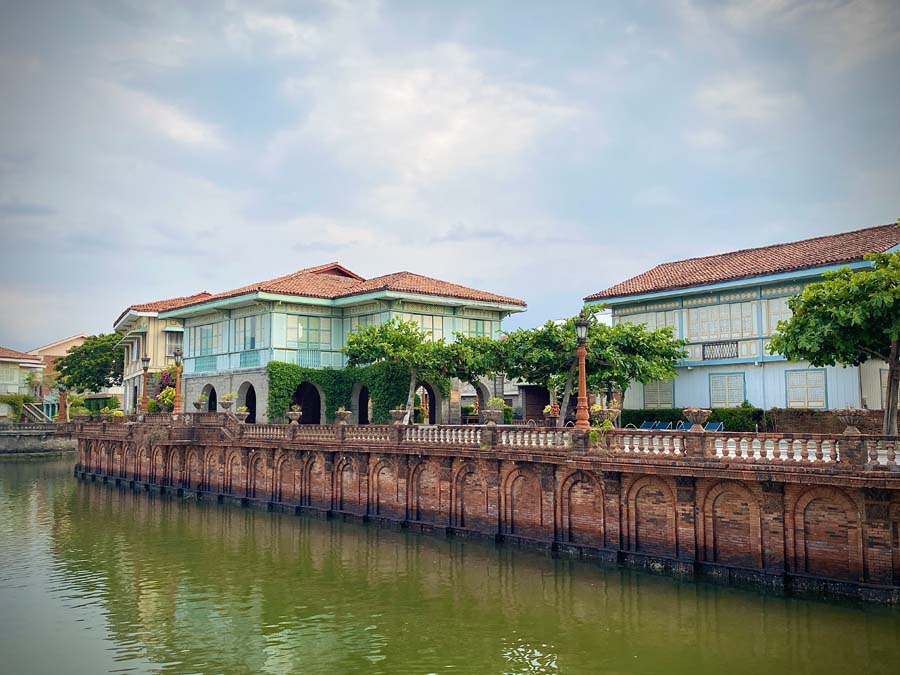
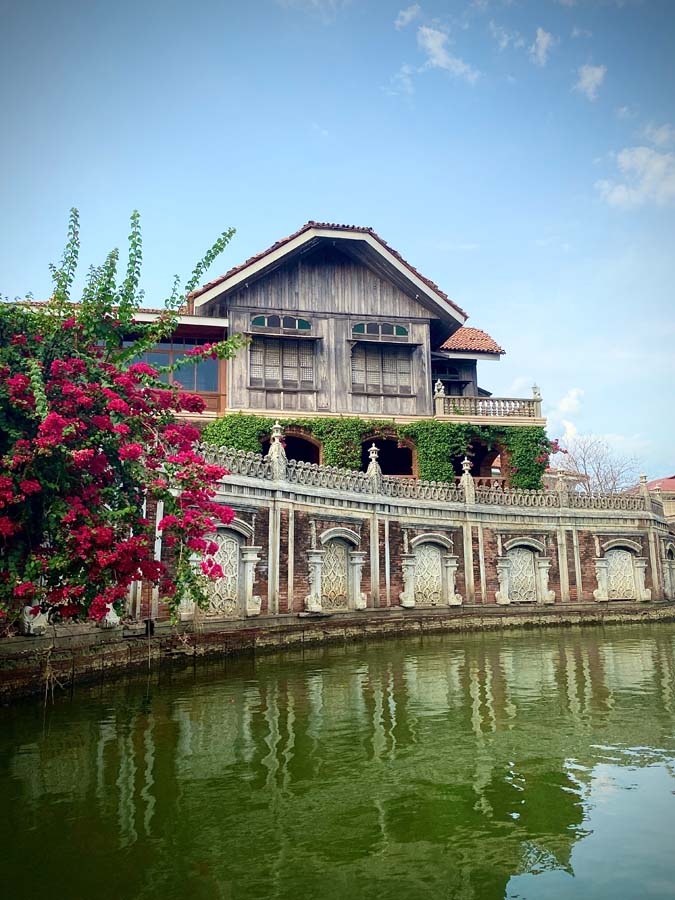
Las Casas Filipinas de Acuzar, if you don’t know, is a hidden gem located along the coast of Bagac, Bataan, Philippines. As one who loves exploring historical sites, I was in for a delightful surprise when we drove through its gates and around the cul-de-sac of the welcome center.

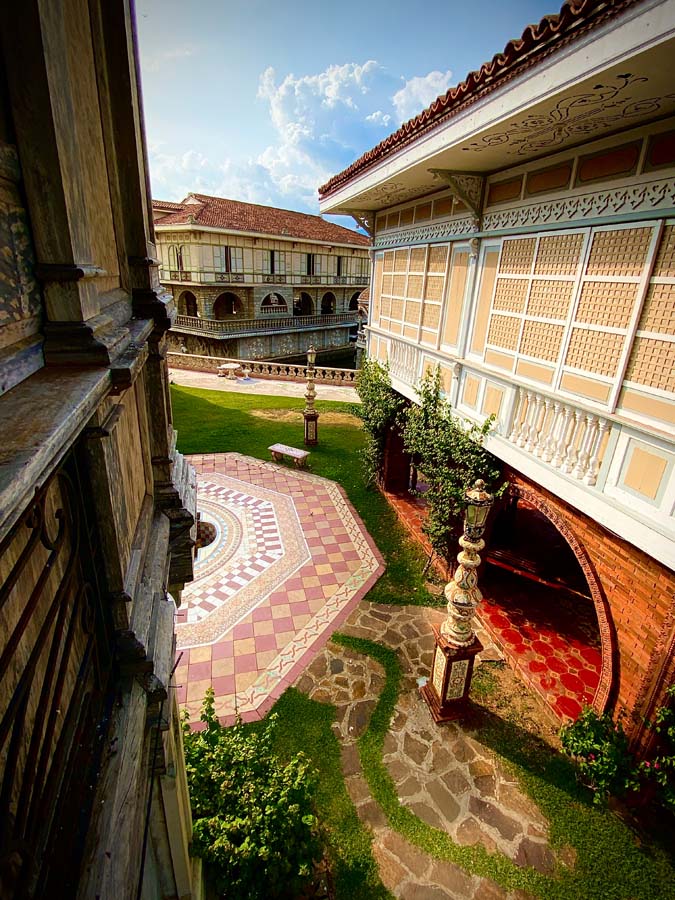
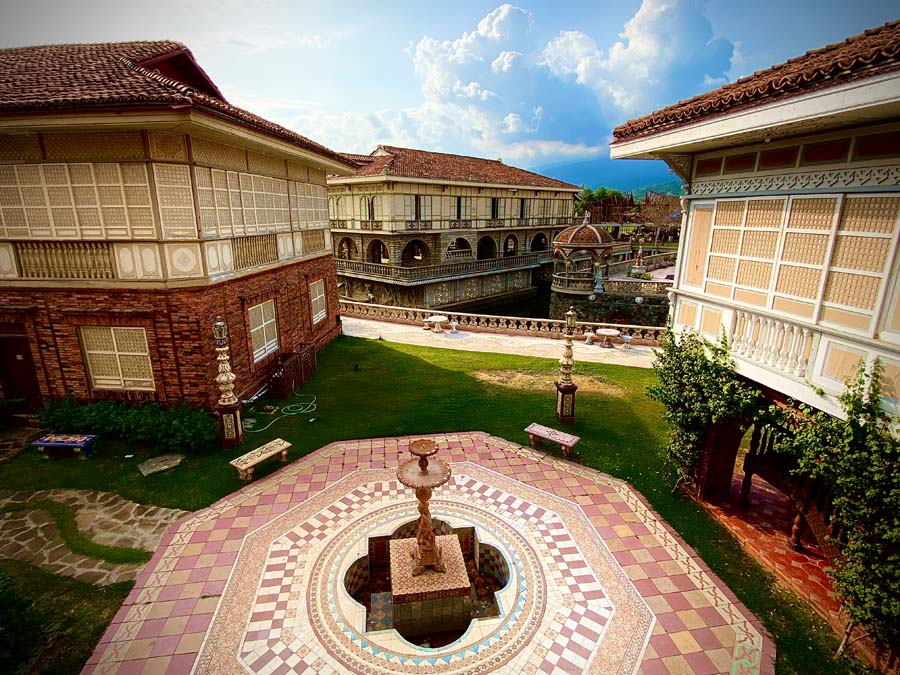
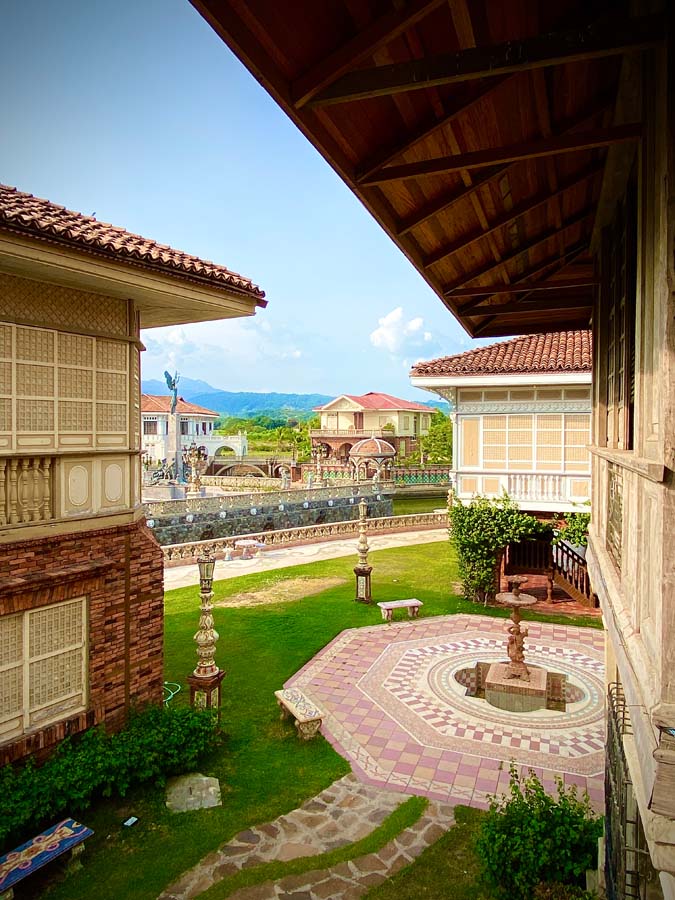
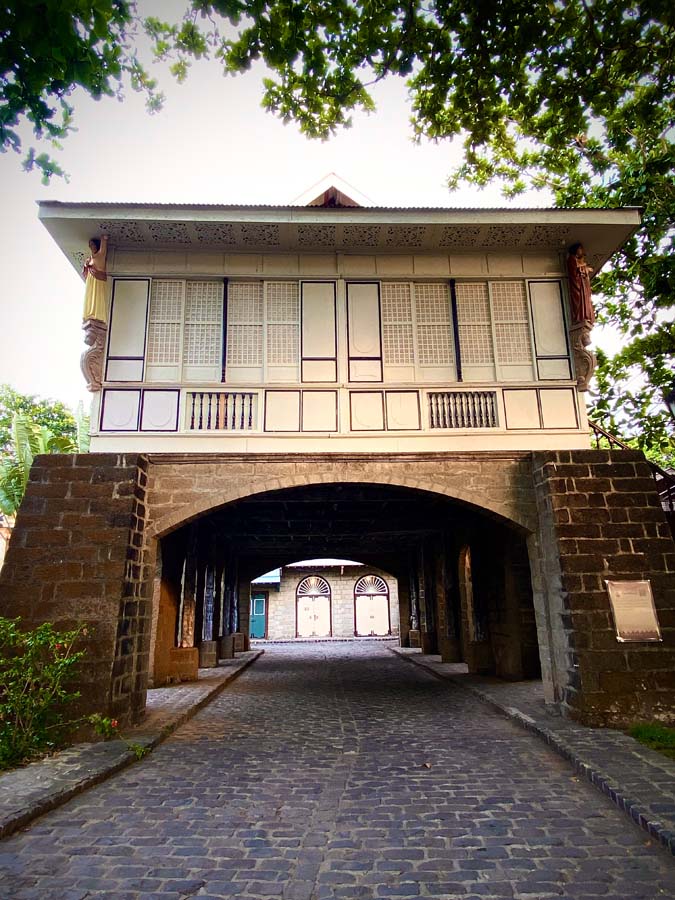
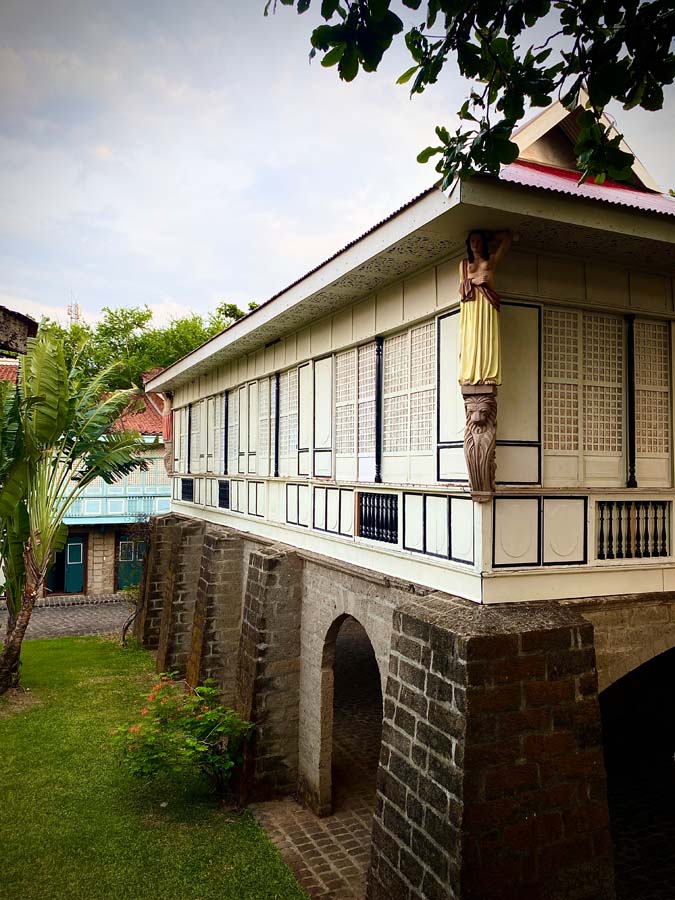
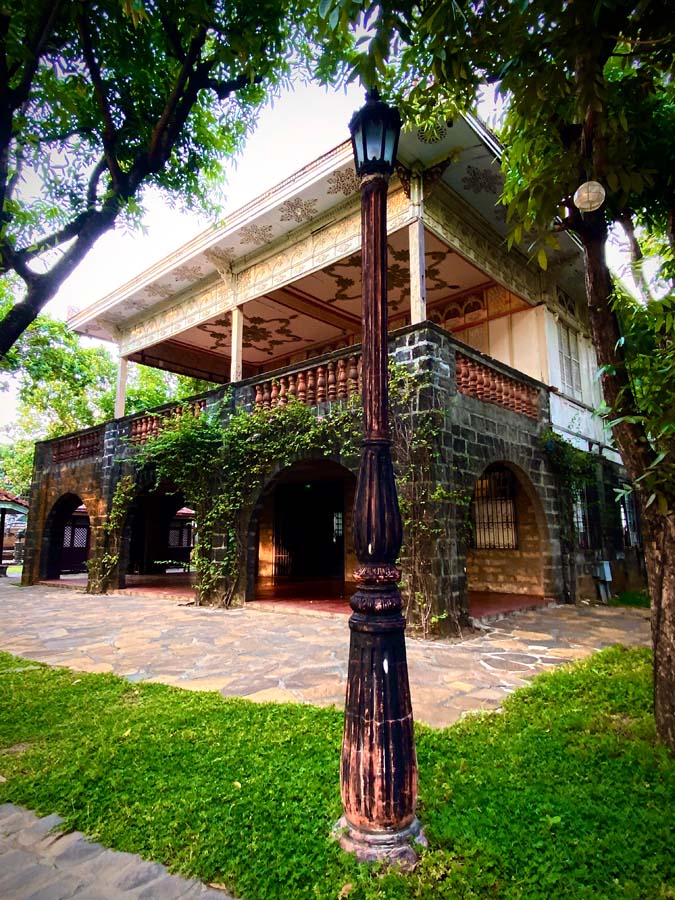
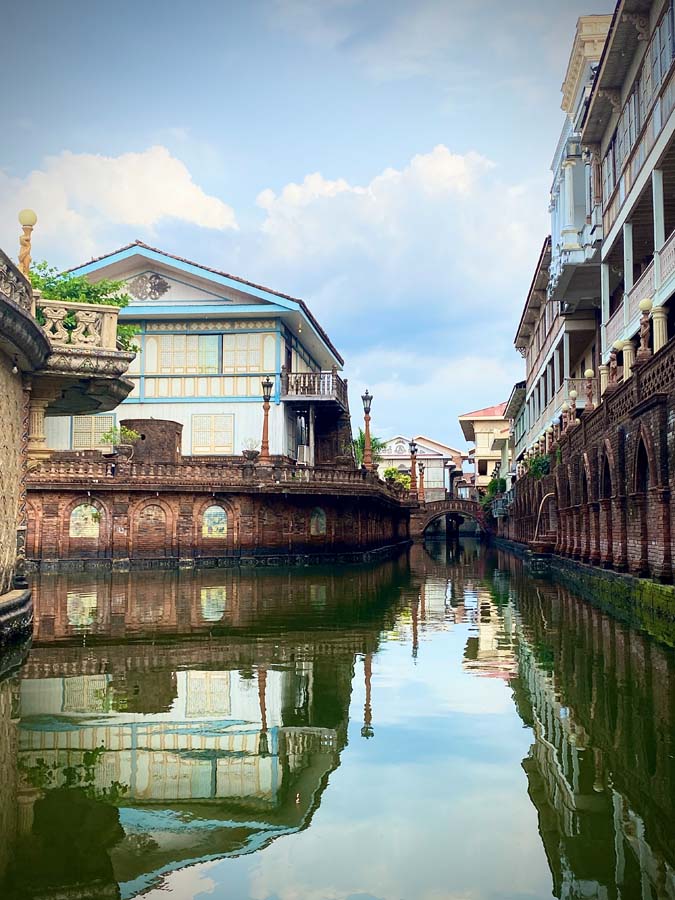
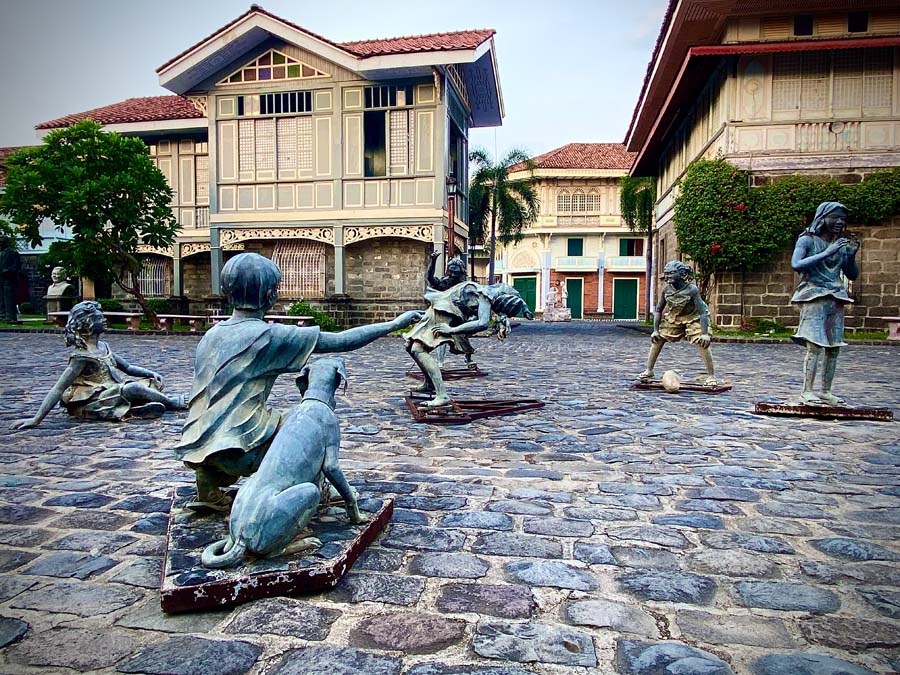
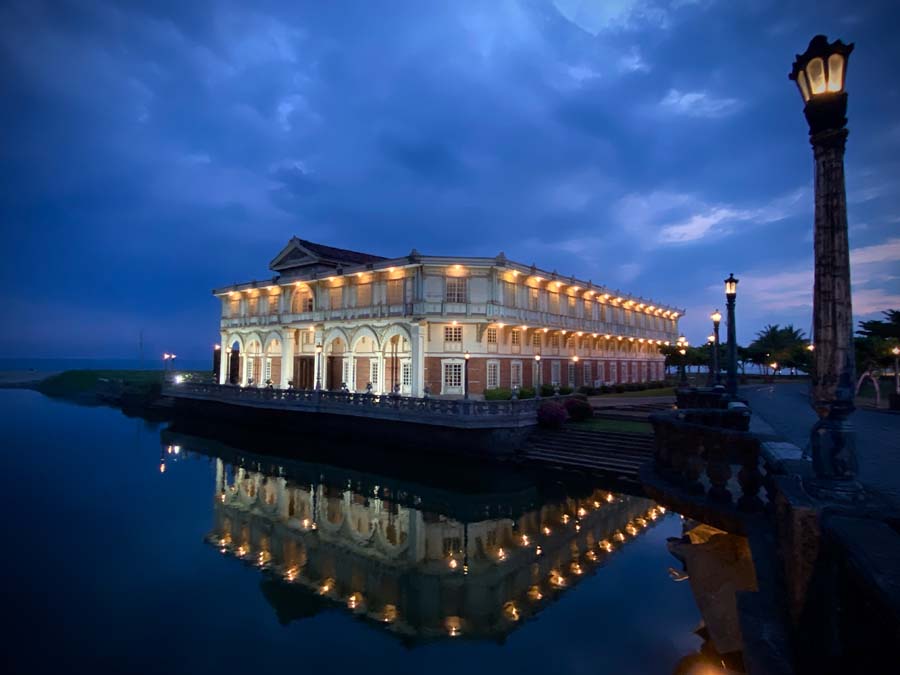
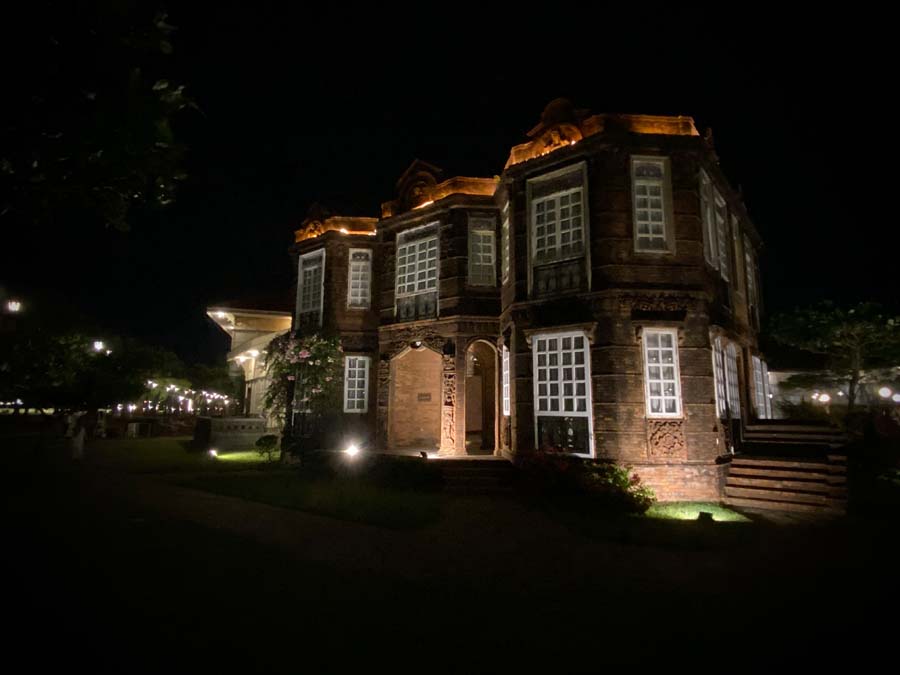
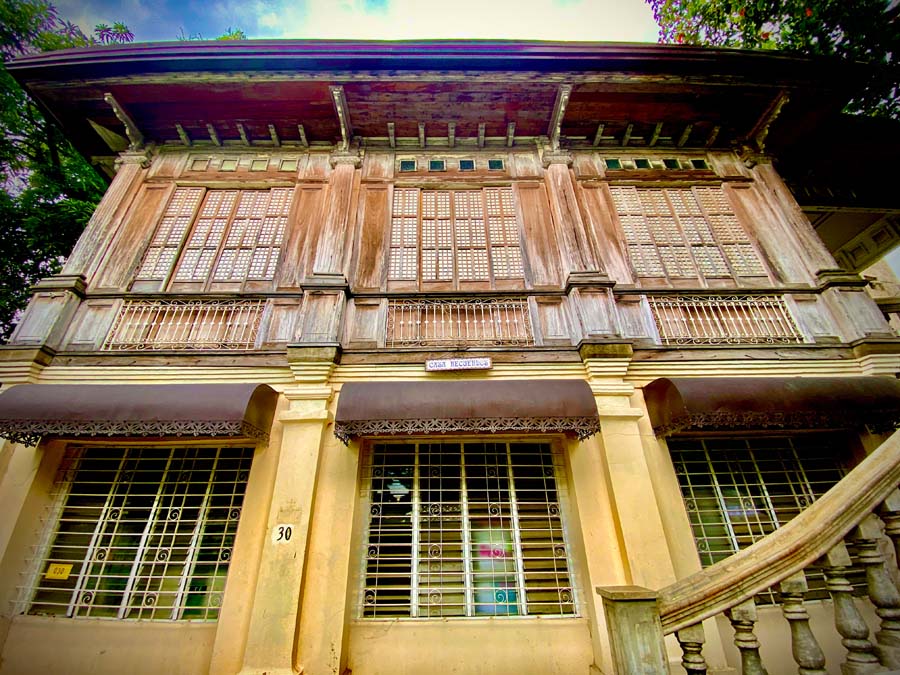
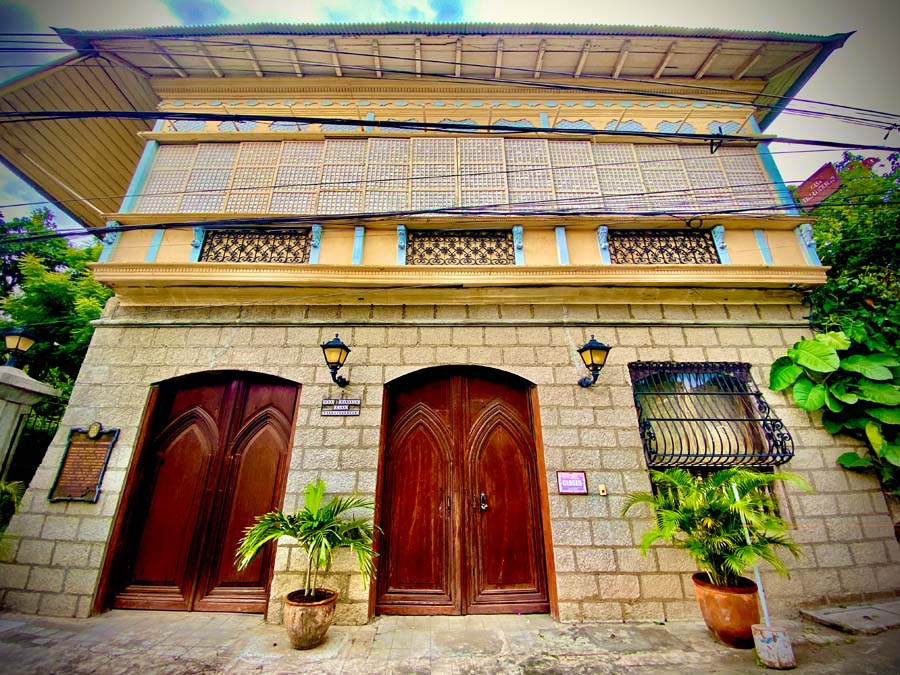
Spanish-era stone houses transported from different parts of Luzon are the heart of Las Casas. Each house has a story to tell. Casa Biñan, once home to Jose Rizal’s mother, Teodora Alonzo, witnessed gripping family dramas. Casa Lubao’s distinct green interior owes its fortune to a Japanese colonel who saved it from demolition during the war. And Casa Candaba, one of the oldest structures, served as a film setting for Noli Me Tangere.

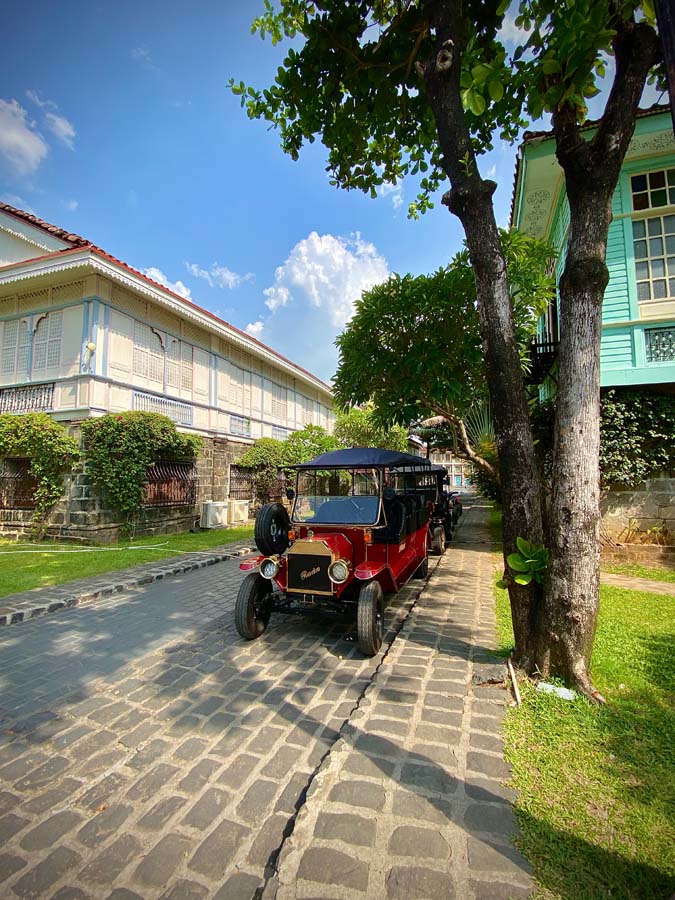
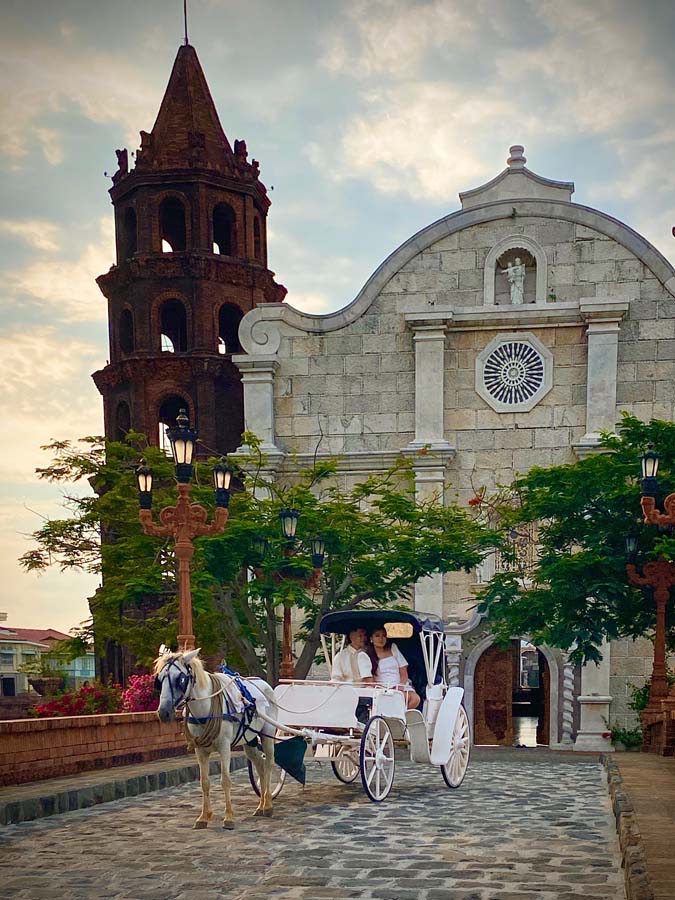
My family and I embrace the nostalgia by taking a ride in a traditional horse-drawn calesa. Clip-clopping through cobblestone streets, it felt like I’ve stepped back in time.

We also rode the jeepney to see spots too far for the calesa take us to.

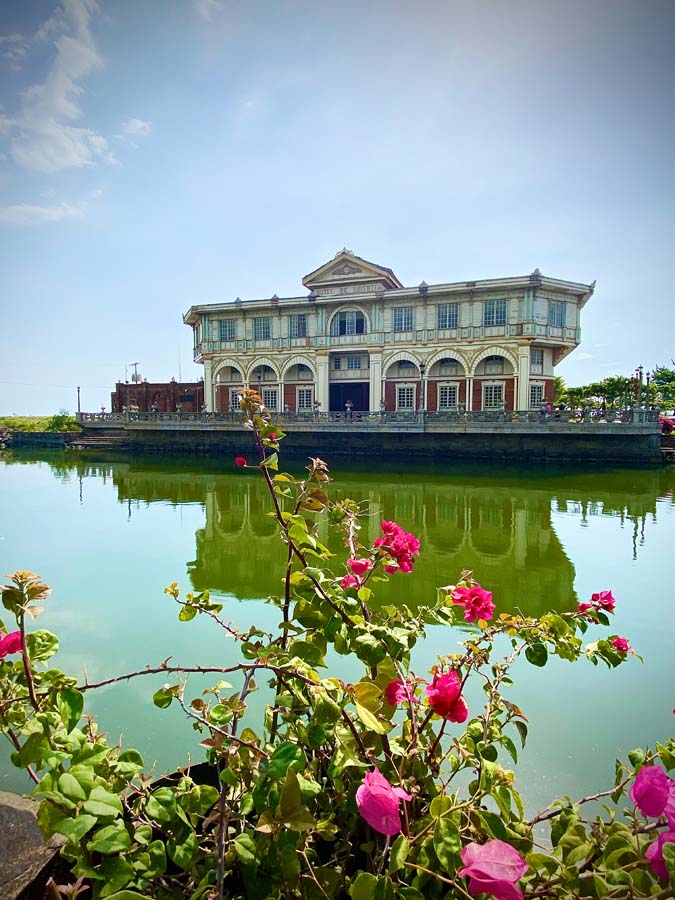
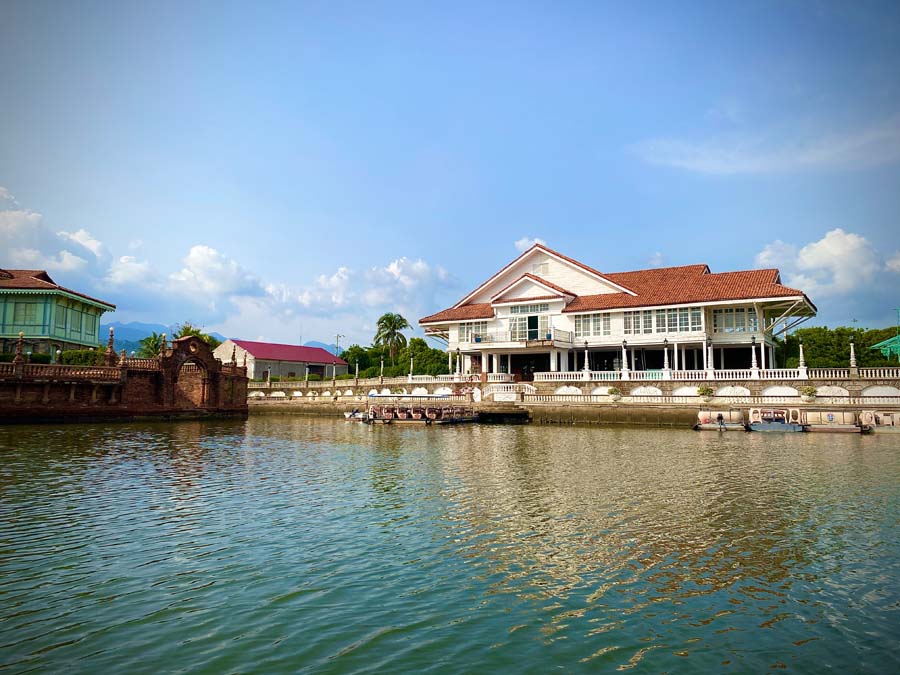
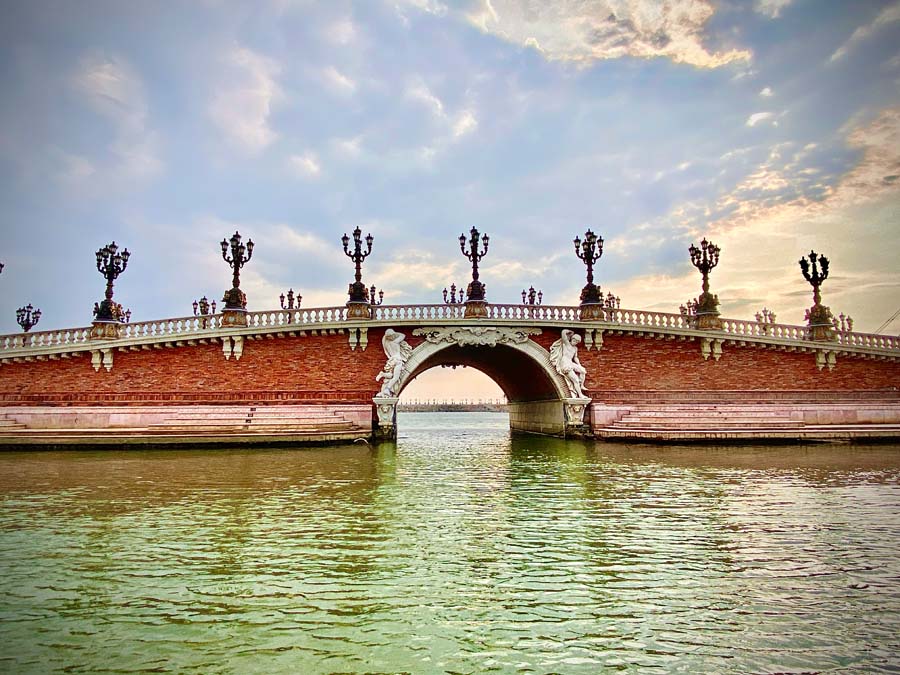
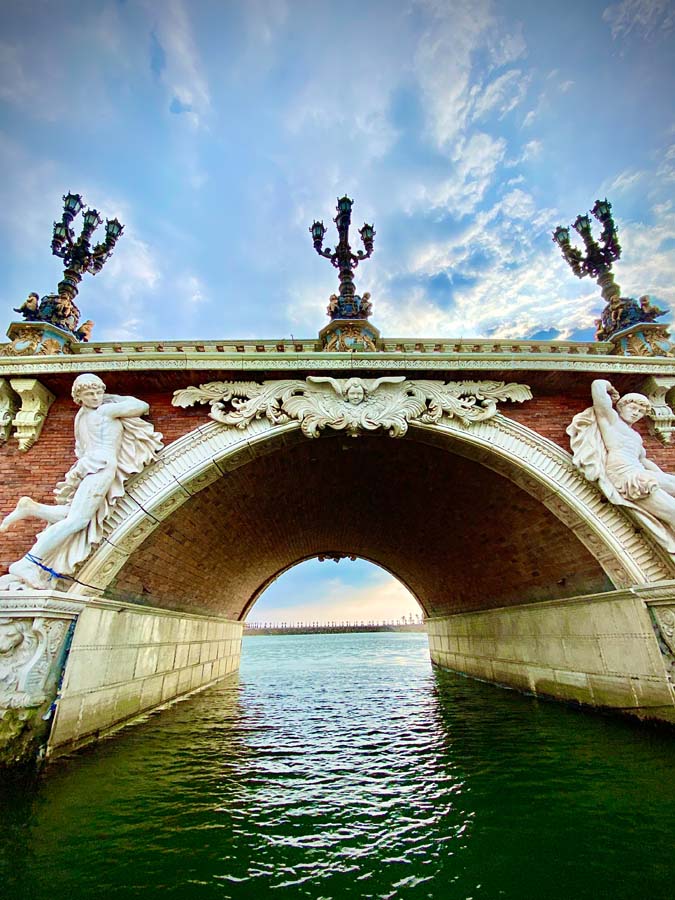
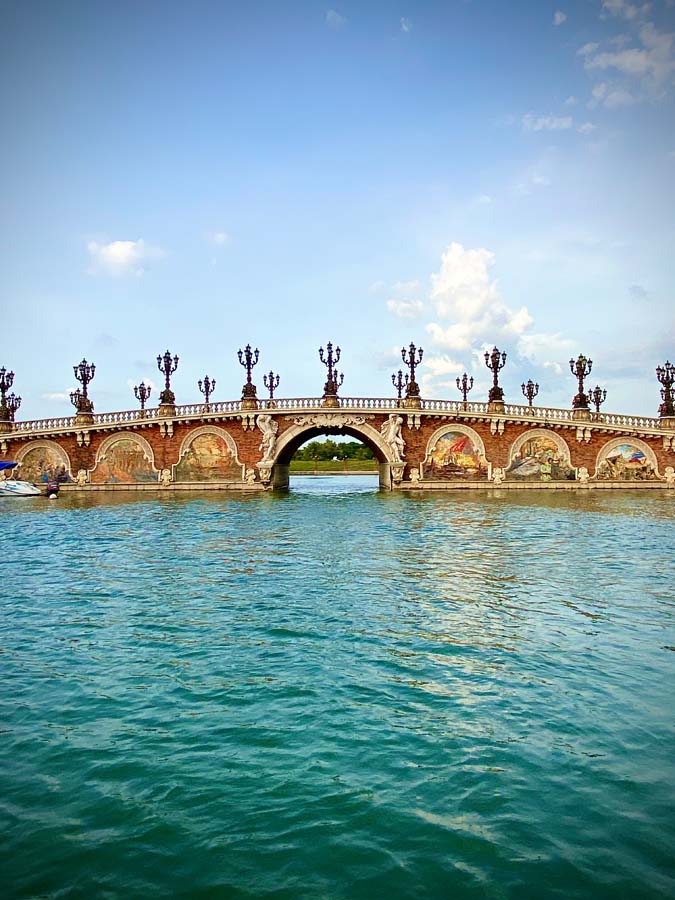
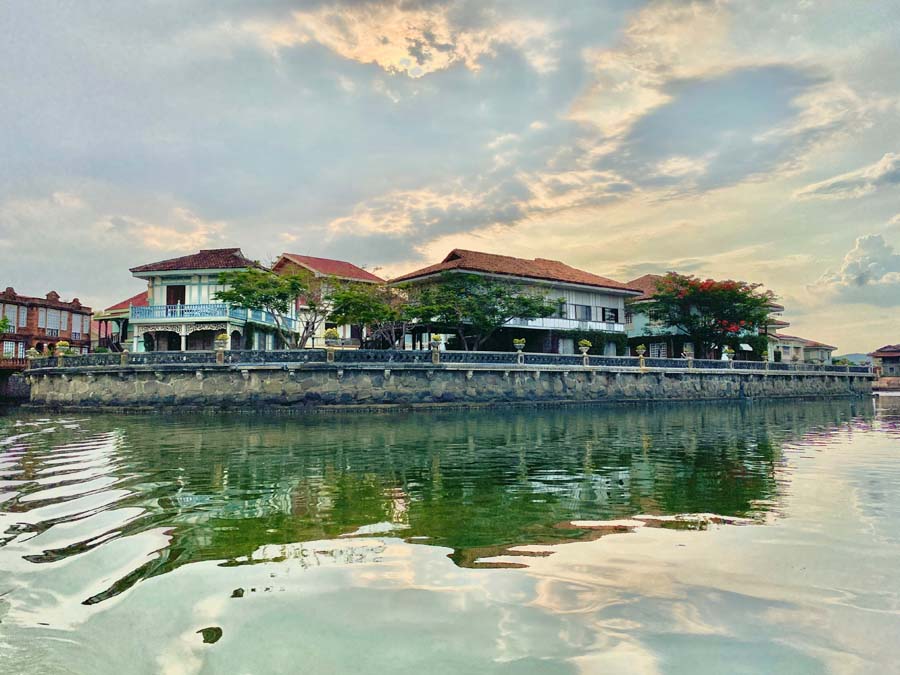
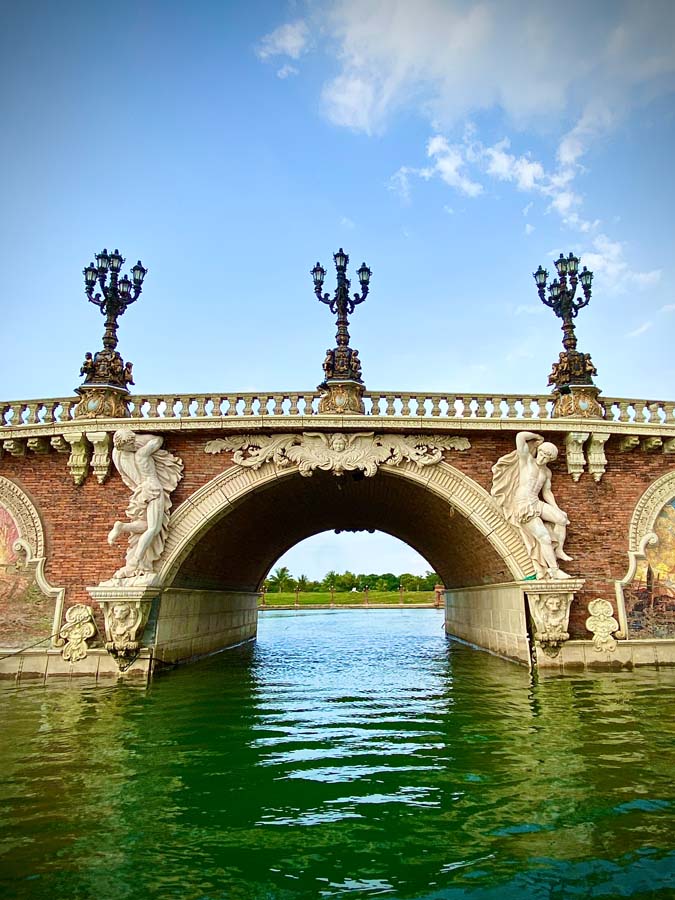
But the best part was the boat ride. This afforded us unique views of the magnificence that is Las Casas. We saw the property from an angle we would not have otherwise seen. The sights were endless, so Instead of listing every one of them, I will just let the photos below do the talking.

Whew! That was quite a ride!

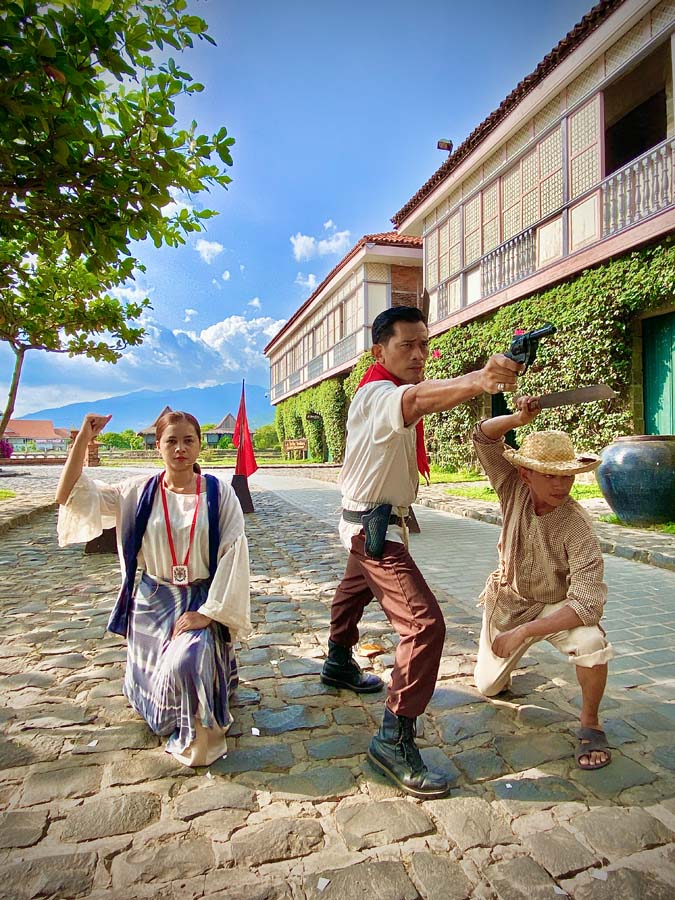
Once we got out of the boat, we were then treated to an amazing show. A re-enactment of the Philippine Revolution at the end of the 19th century. I really loved that!

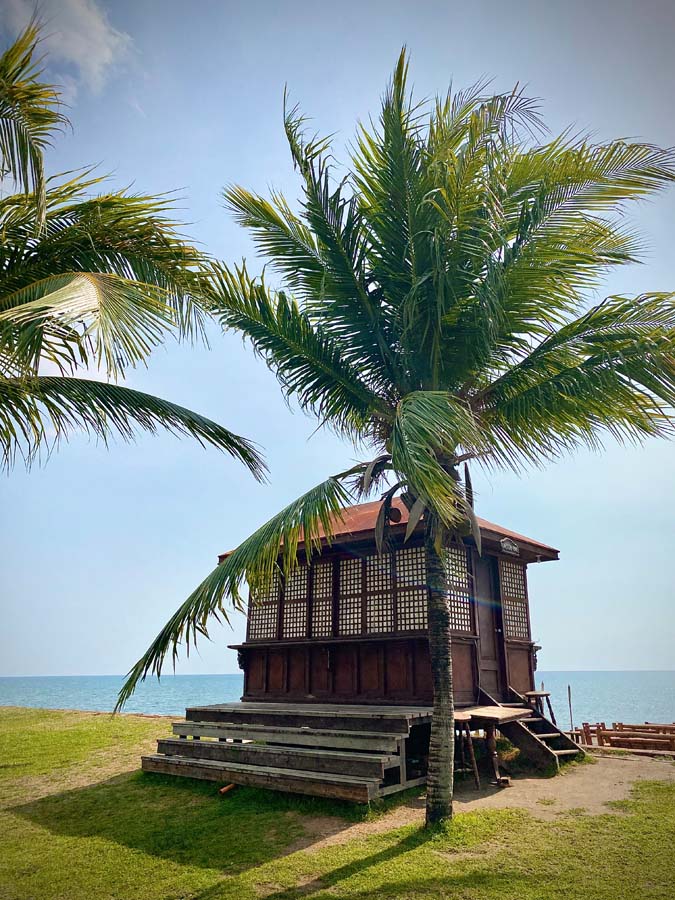
Las Casas also offers a pristine beach where you can unwind, swim, and enjoy the sun. However, we didn’t have a lot of time so we skipped this part. For now, anyway.

This beach, by the way, could be one of the prettiest you’ll ever see anywhere. The view is breathtaking! I wish I could’ve taken more photos of it. I don’t know why I didn’t. Ha ha! Anyway, here’s one…

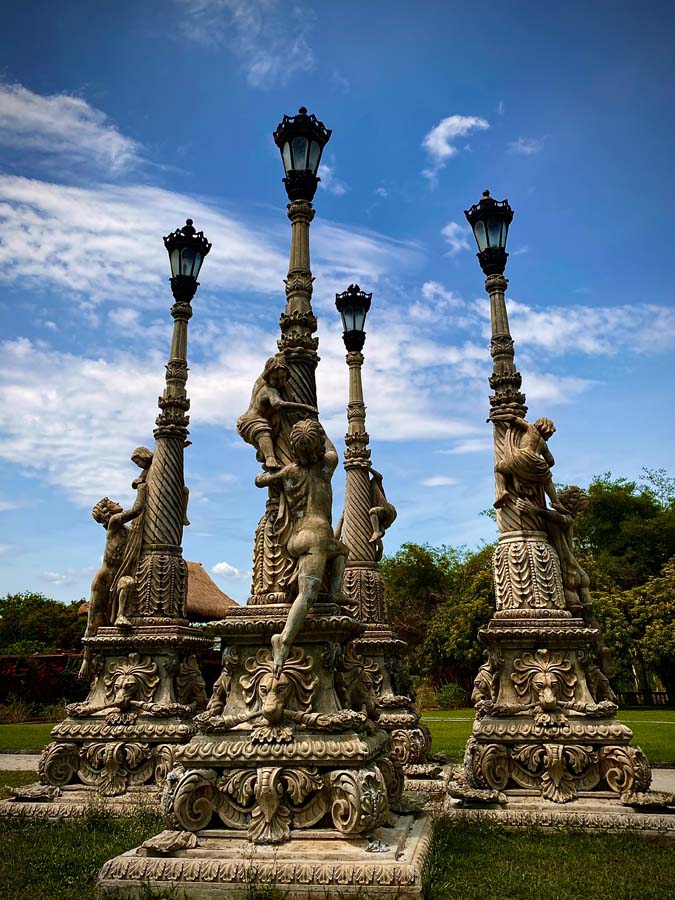
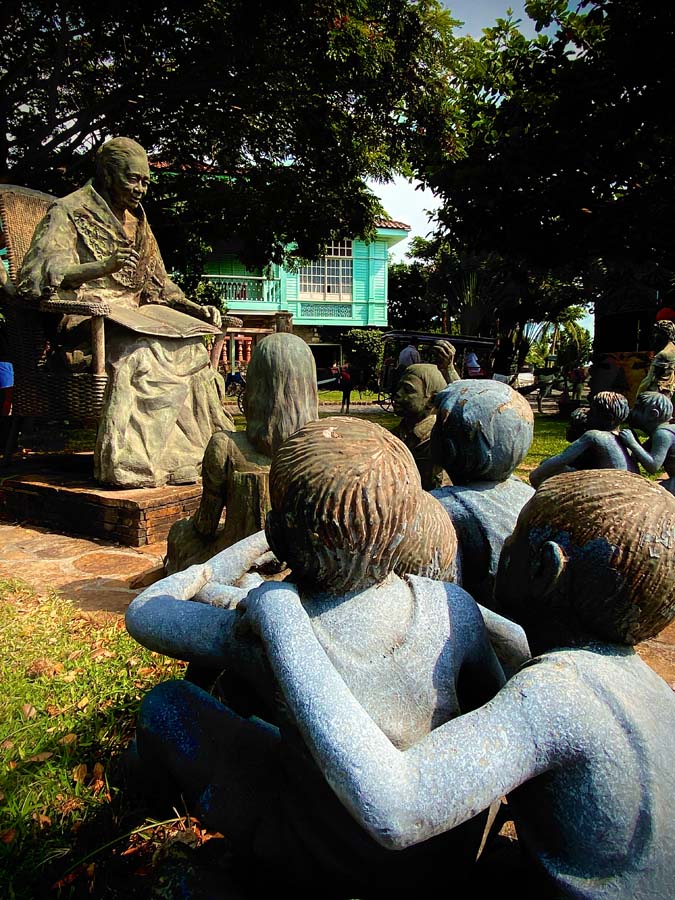
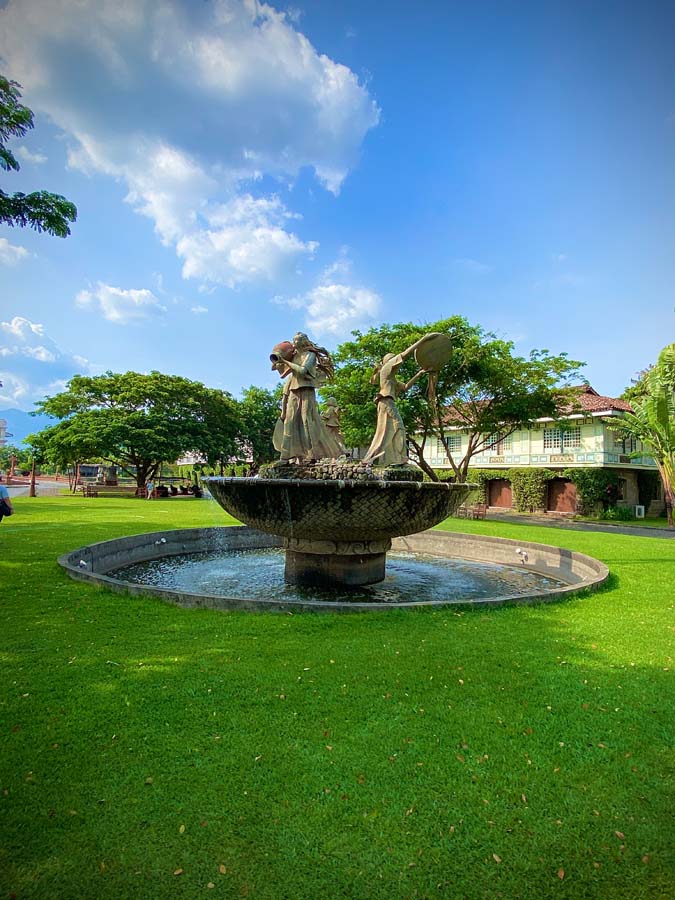
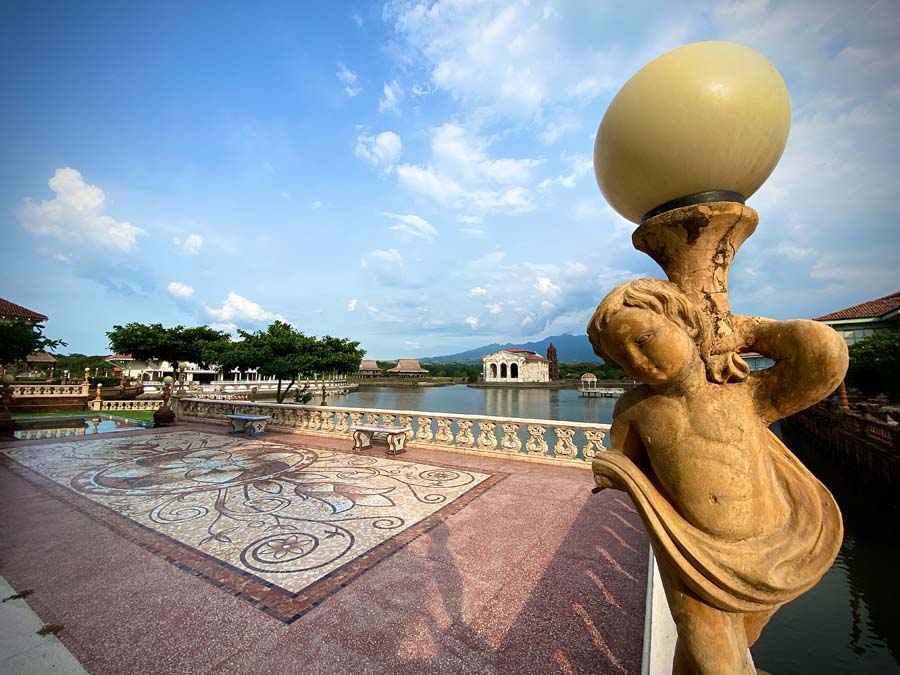
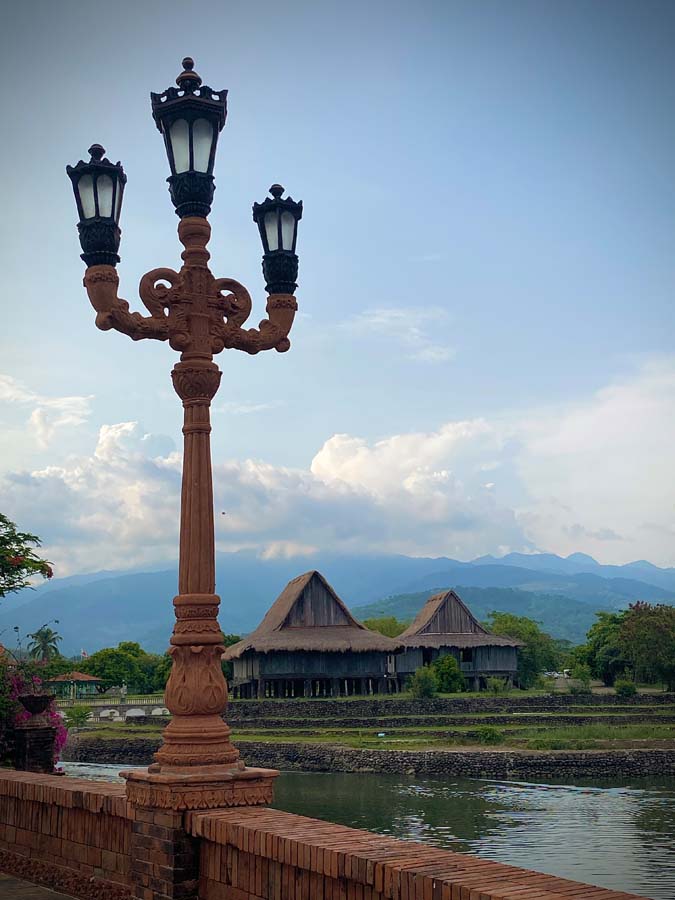
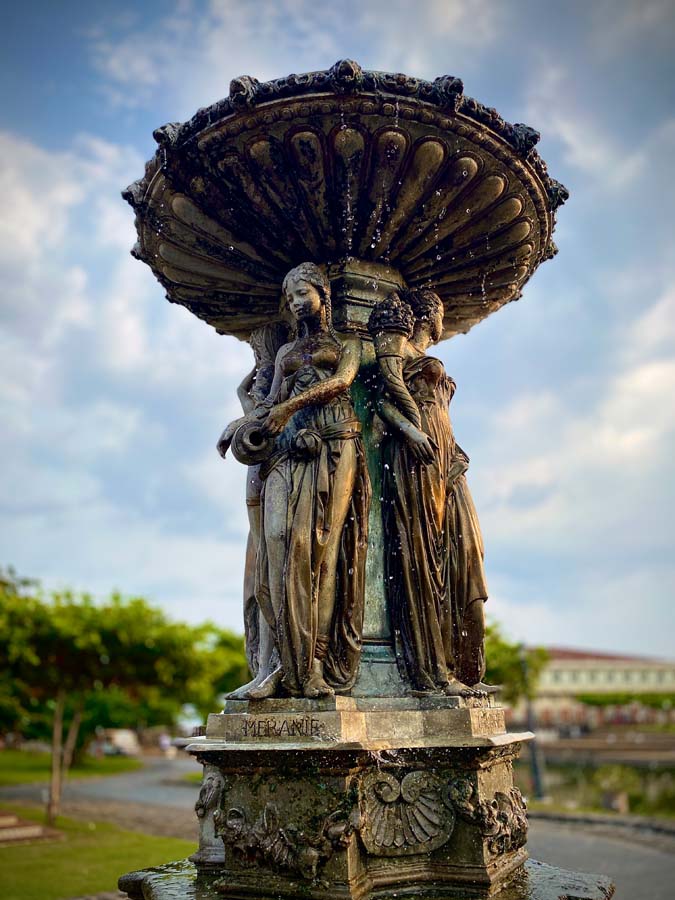
Amidst the historical charm, Las Casas also surprises with a mix of classical and modern art installations. The fusion of old and new. Feast your eyes on the magnificent array of fountains, sculptures, lamp posts, architectural design both interior and exterior, and even strange looking palm trees that resemble a fan!

My curiosity led to a quick search. According to Wikipedia, it is the ravenala madagascariensis. It is commonly known as the traveller’s tree, traveller’s palm or East-West palm, and is a species of monocotyledonous flowering plant found in Madagascar. It is not a true palm but a member of the family Strelitziaceae. So there you go…

As we were strolling along, we happened upon a wedding photo op! How cool is that?

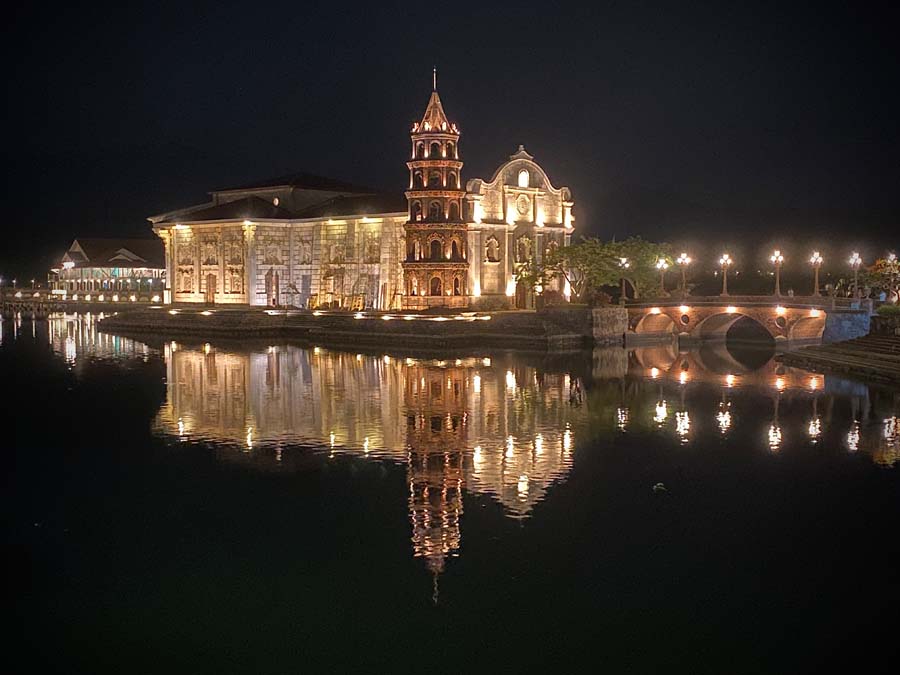
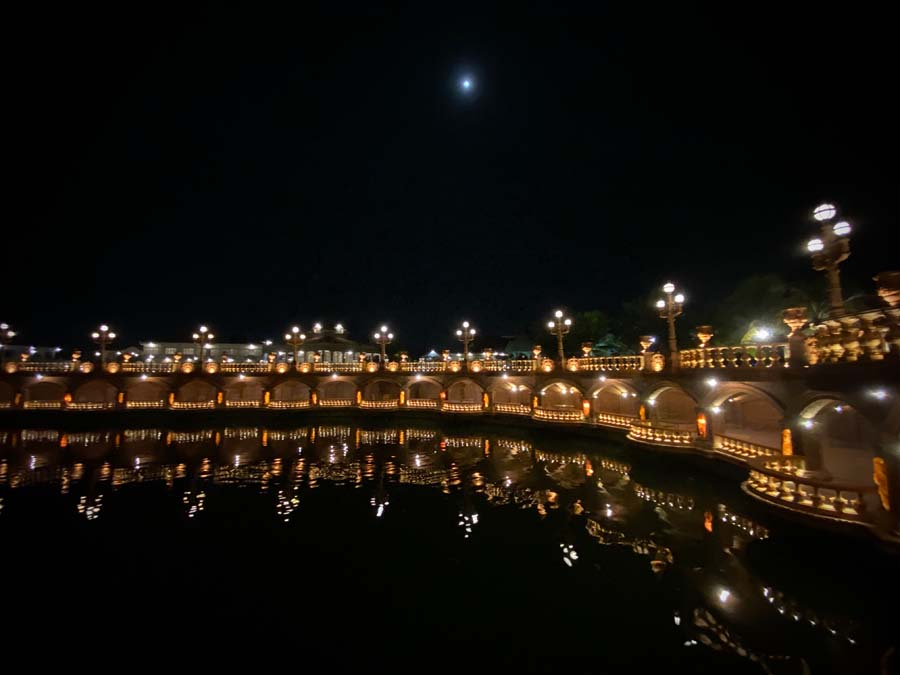
And as the sun gently dipped below the horizon, we marveled at the rows of light as they gradually powered over through the darkening sky. Such a magical panorama!

The restoration efforts that brought these heritage houses to life are awe-inspiring. It’s a reminder that preserving the past is both a collective endeavor as well as a worthwhile effort.

Las Casas Filipinas de Acuzar is a journey through time. Whether you’re a history enthusiast, a beach lover, an art aficionado or someone simply seeking a unique experience, this place is sure to leave an indelible mark on you.

So, do yourself a favor and check it out, if you can.

A Day in Taal

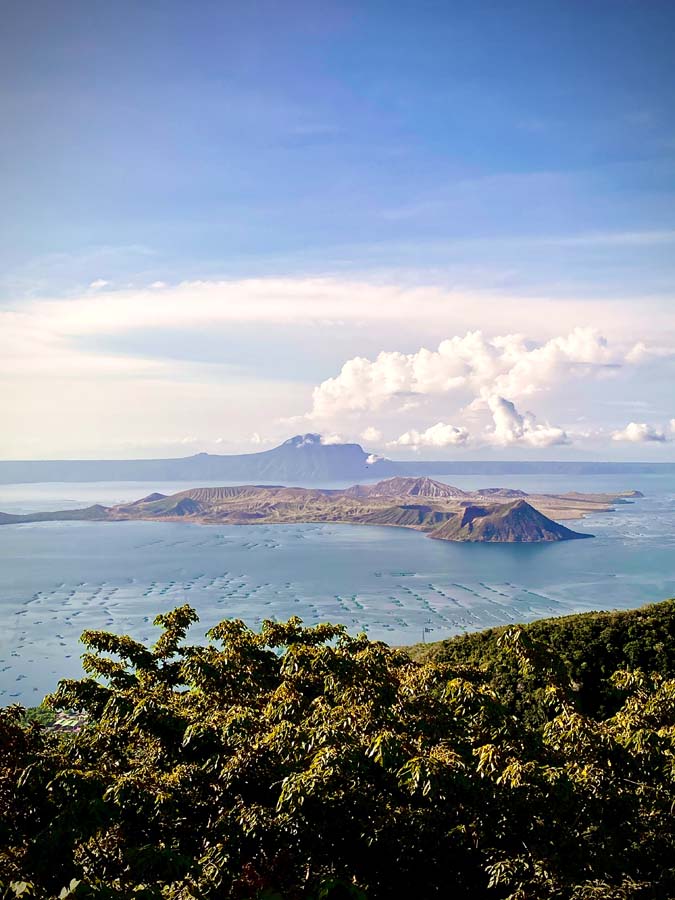
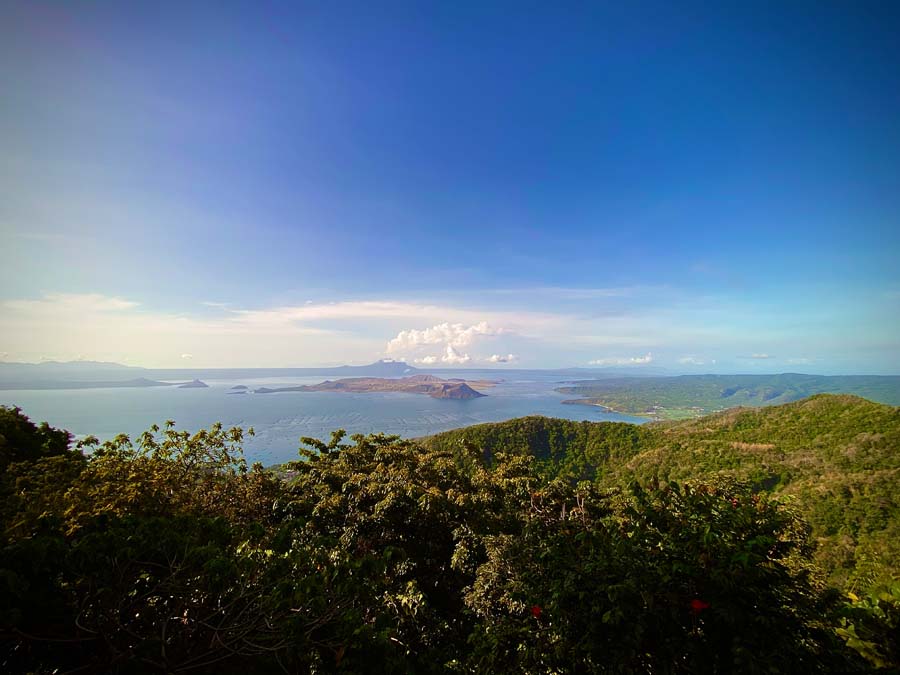
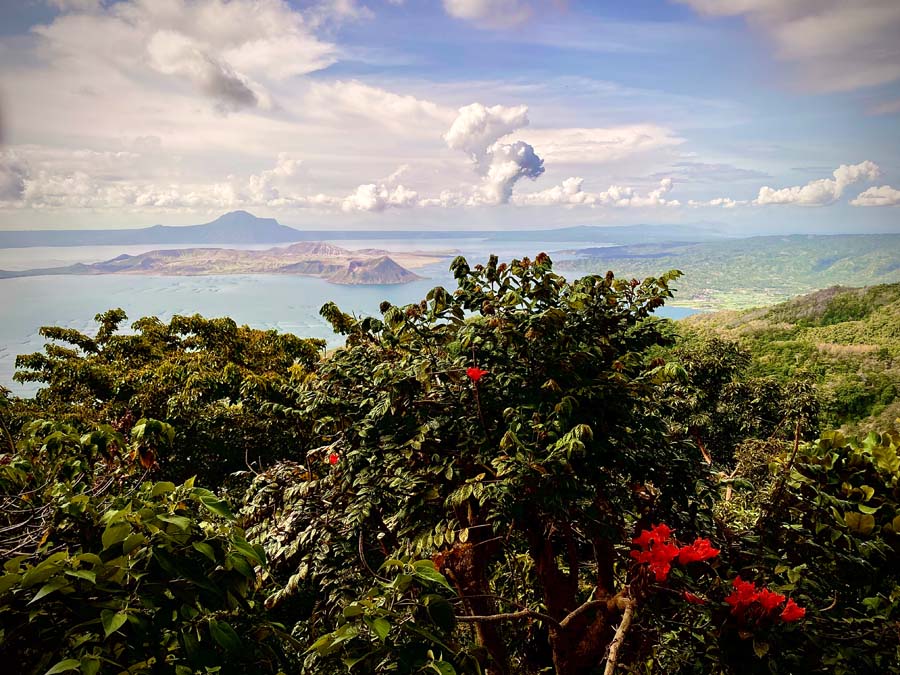
One of nature’s greatest wonders lies just an hour’s drive from Manila. Nestled in the middle of Taal Lake, Taal Volcano is a little stunner that offers breathtaking views worth experiencing up close.

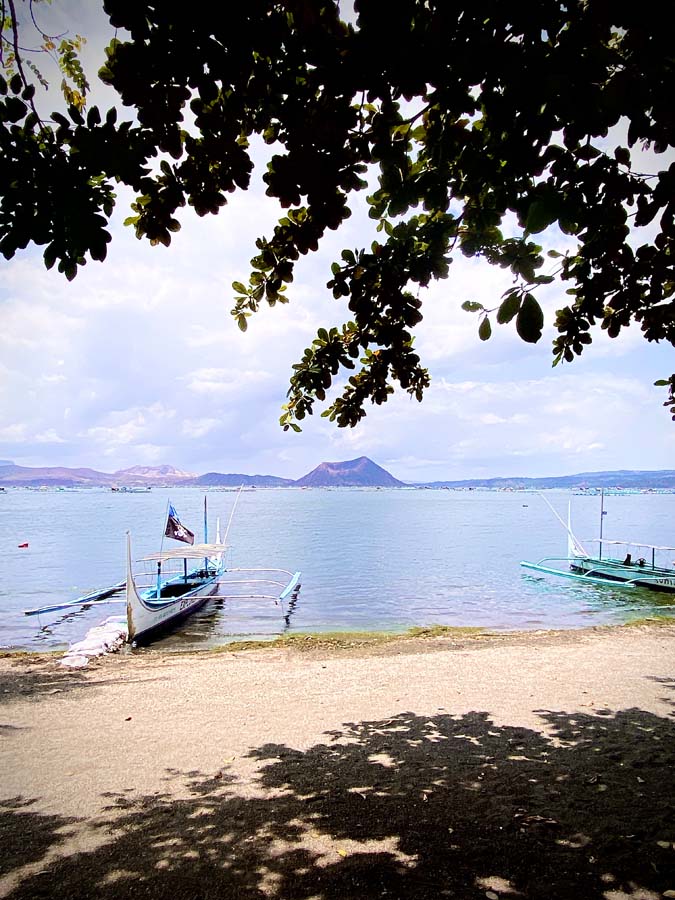
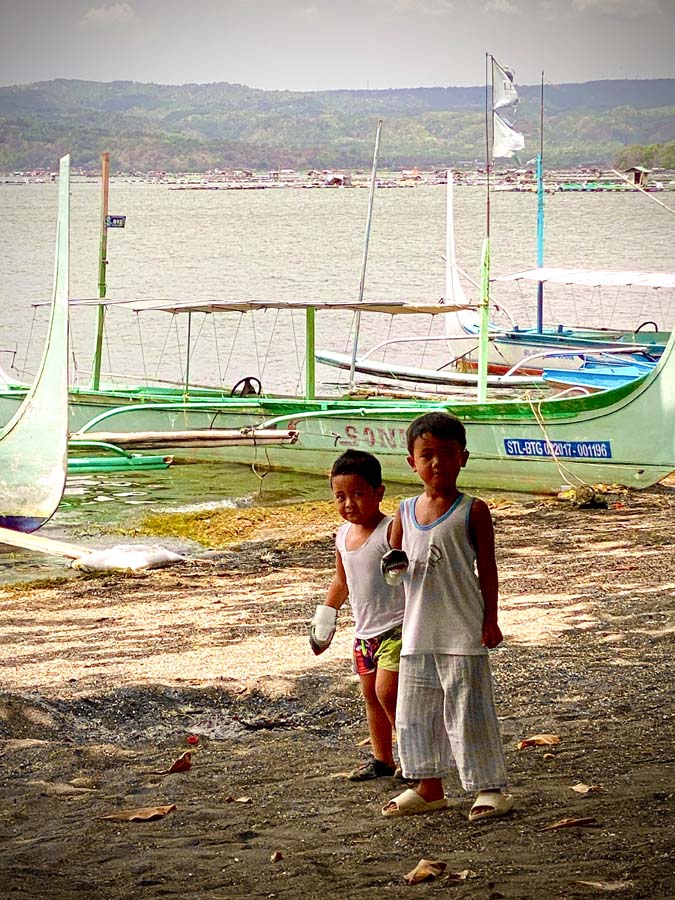
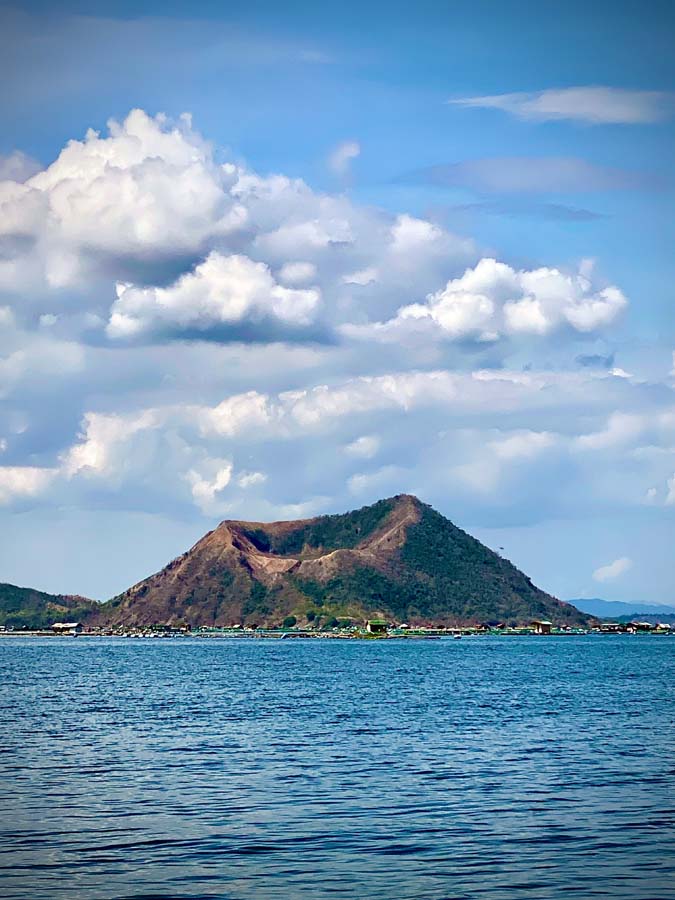
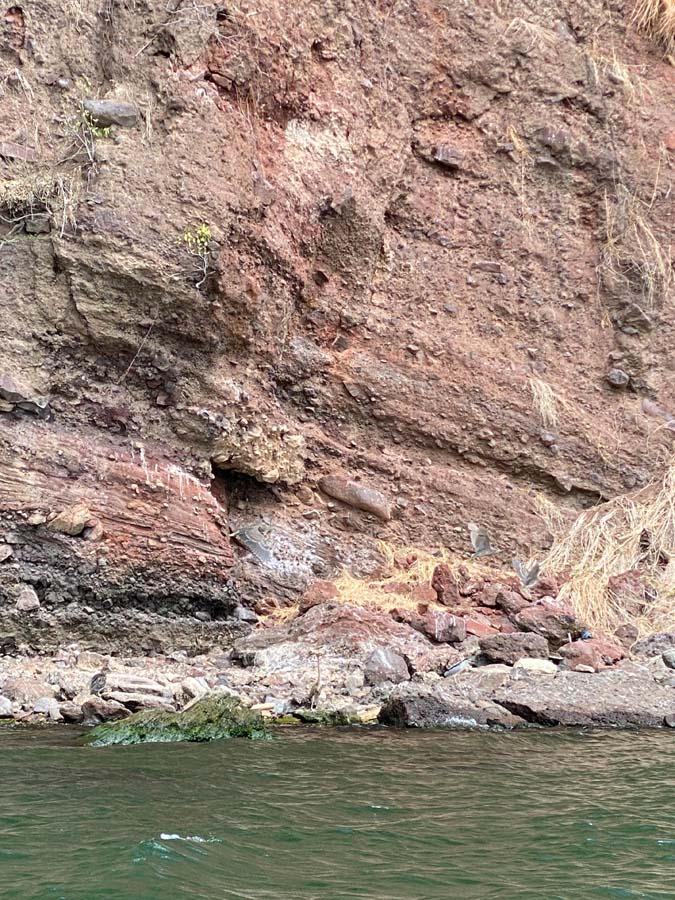
On a recent day trip, my family and I decided to take a little boat ride to get a closer view of the island where the volcano lies. We didn’t actually get off the boat as it was currently prohibited to get on the island due to the volcano’s active state. We did get a nice up close view of it though. It was great!

Taal Volcano has a rich geological and cultural past. It is part of the Pacific Ring of Fire, a region with intense volcanic activity. It began forming around 500,000 years ago through a series of eruptions. The caldera we see today was created during a massive eruption around 5,000 years ago.

What makes Taal unique is its location. It sits on an island within a lake, the Taal Lake. It’s a volcano within a volcano. And that phenomenon is rare worldwide.

Taal Volcano has erupted multiple times throughout history. The most devastating eruption occurred in 1754, forcing the inhabitants of Taal town to relocate to safer areas. The town of San Nicolas, now submerged beneath Taal Lake, was another casualty. In 1977, Taal erupted again, causing ashfall in nearby towns. Thankfully, no casualties were reported. The most recent significant eruption occurred in January 2020. Ash plumes reached high altitudes, affecting Metro Manila and nearby provinces. Thousands of residents were evacuated, and the landscape changed once more.

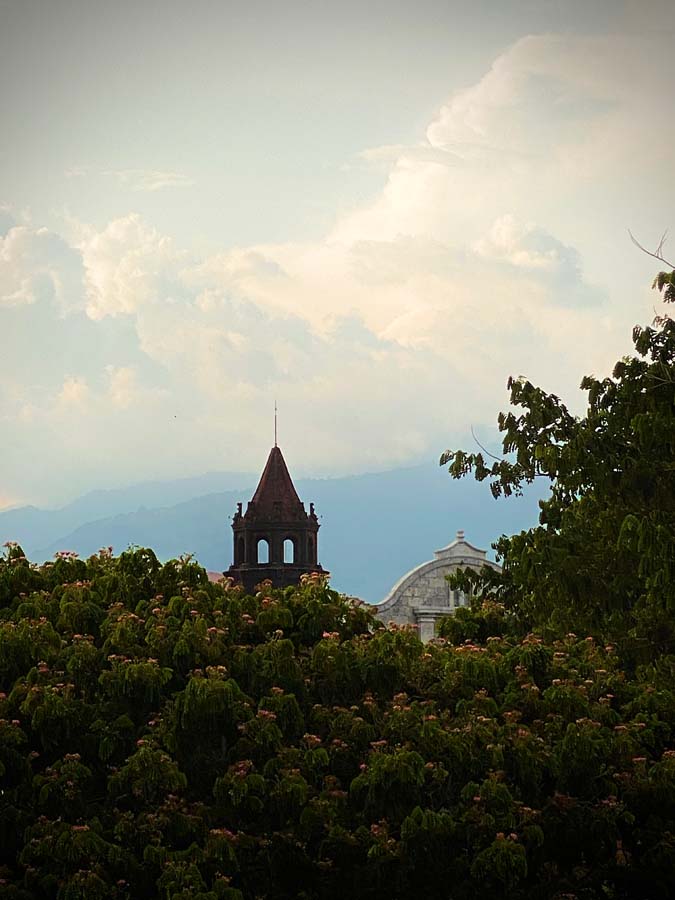
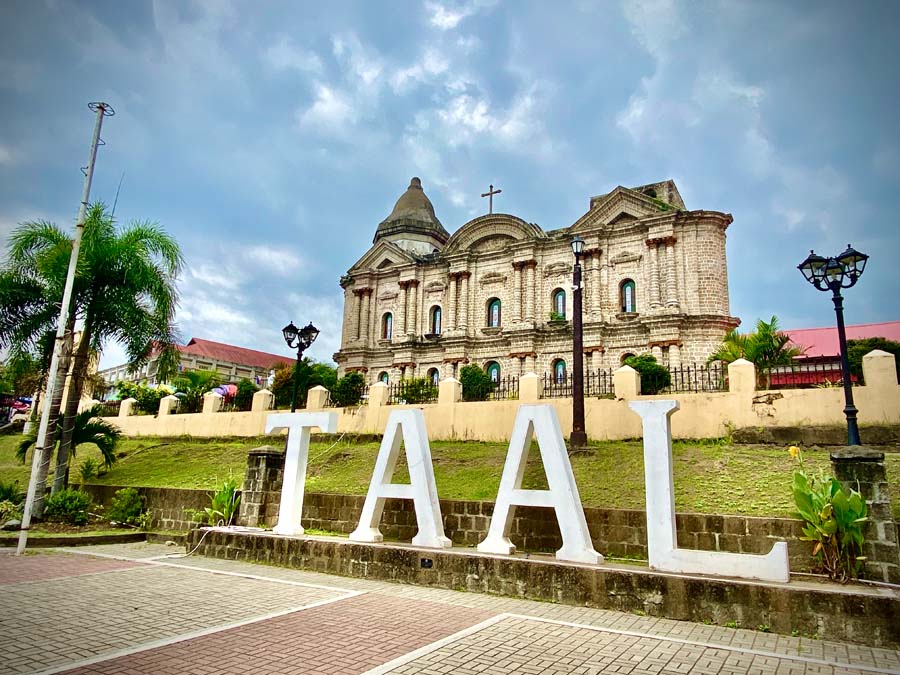
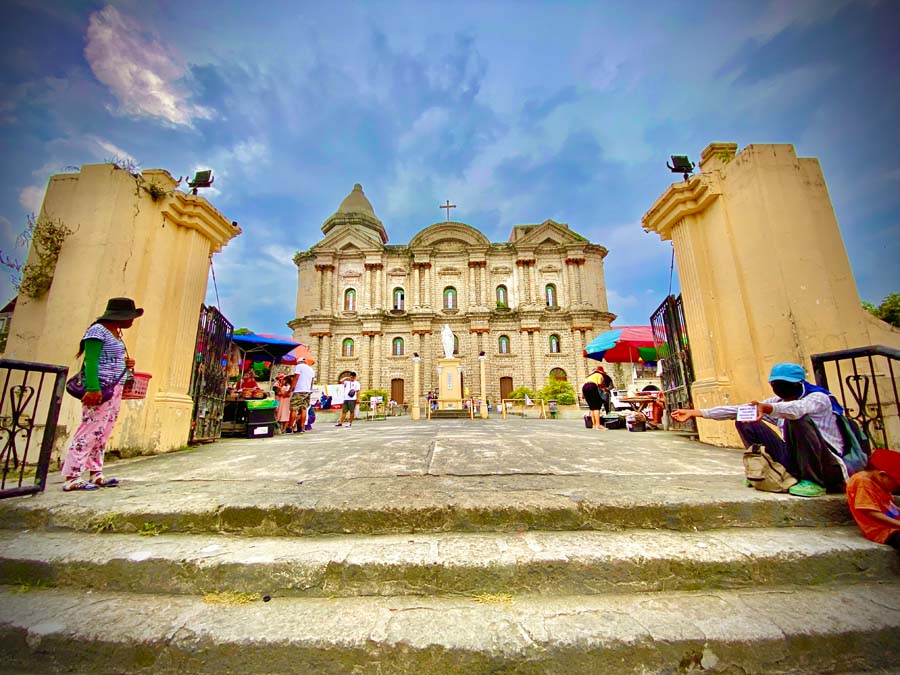
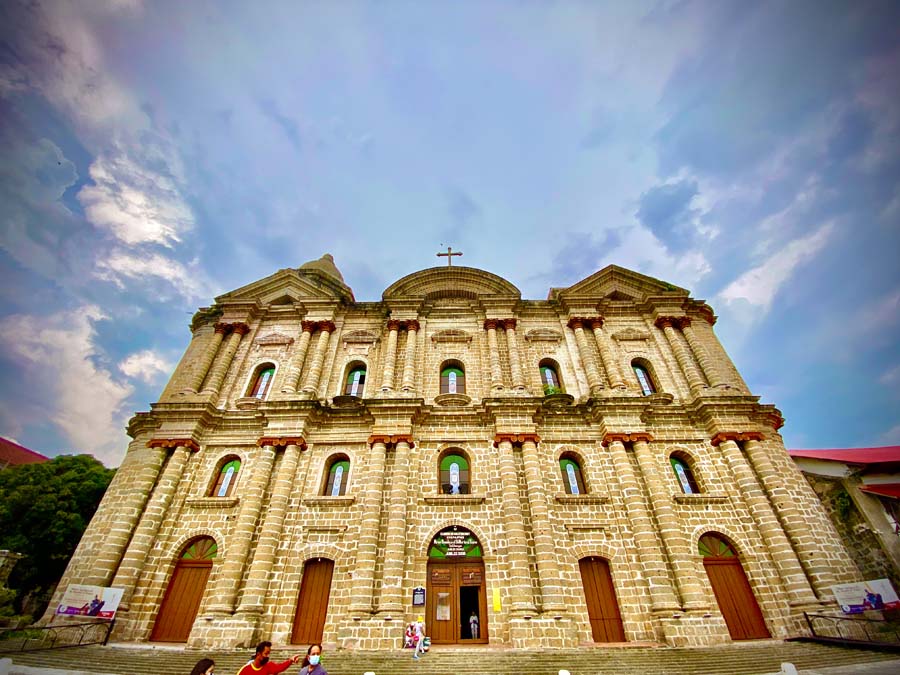
Now, a little bit about the town. Before the Spanish colonized the Philippines, Taal was considered sacred by the Tagalog people. They believed it was the home of the gods and spirits. The name “Taal” itself comes from the Tagalog word “tala,” meaning “star.” When the Spaniards arrived, they established settlements around the Lake. The town of Taal, now known as Taal Heritage Town, became an important religious and cultural center. A lot of residential structures from the time still stands to this day, and they are gorgeous. The Basilica de San Martin de Tours, built in the 16th century, still stands as well as a testament to this era.. It is also considered to be the largest church building in all of Asia

Taal remains a captivating natural and historic wonder, blending geological marvels with cultural heritage. Witnessing it up close, and taking in the lake’s stunning vistas and the town’s architecture, it’s an adventure I won’t forget anytime soon.